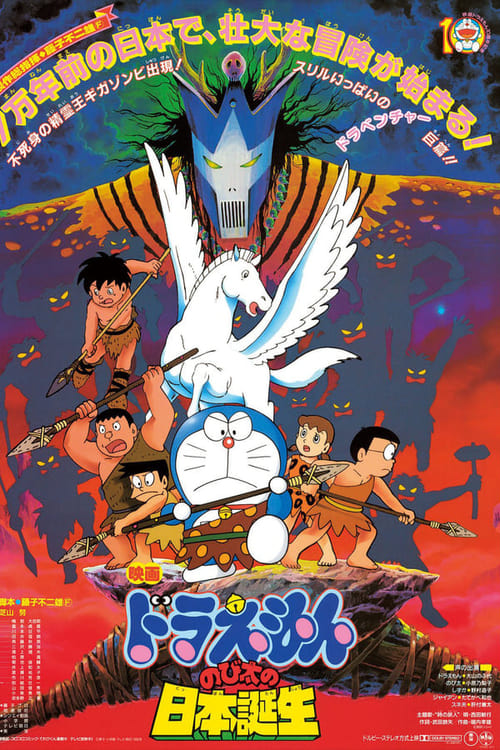
Doraemon: Nobita and the Birth of Japan
1989
No user ratings available yet
Representation score: 2.5 out of 10

Representation Score
Minimal
1988
Director
Tsutomu Shibayama
Runtime
90 minutes
Average Rating
No ratings yetNew Showbiz Analysis
This 1988 adventure film embodies the spirit of its era, emphasizing escapism and traditional heroism. It relies on well-established character types and the classic quest motif to propel its fantasy narrative. The film offers a rich cultural experience rooted in East Asian folklore and the legend of Journey to the West. This mythological backdrop provides a culturally specific context for the story. However, the film does not actively seek to challenge traditional norms. It upholds conventional hierarchies and standard physical norms, lacking in-depth exploration of diverse identities or characters who reflect more than one aspect of diversity.
Category Breakdown
The film adheres to traditional assumptions about straight relationships. It focuses on childhood friendships and does not include any characters with non-traditional gender identities or same-sex relationships.
Shizuka plays a key role in the story, but the film relies on typical gender roles from the time period. Male characters take the lead in action sequences and make crucial decisions throughout the adventure.
The story draws from East Asian culture through a retelling of ancient Chinese myths. It avoids whitewashing but stays within a culturally specific framework, focusing on traditional East Asian folklore.
The narrative highlights traditional values such as teamwork and restoring order. It follows a classic quest structure without challenging social or religious institutions.
The film does not depict any characters with physical, sensory, or neurodivergent disabilities. All characters have the standard abilities needed for an adventure story.
Present on Screen
Limited or Absent
Official Synopsis
As Nobita, Shizuka, Gian, and Suneo are auditioning for a role in their school's play based on "Journey to the West", the coveted role of Son Goku is hotly contested. After suggesting that the real Great Sage Equal to Heaven should play himself, knowing that the story is only a legend, Nobita and Doraemon go back in time to find their own fake Monkey King, but arrive in present day with the story's demons having taken over the world. The only way for things to go back to normal is for Nobita and pals to reenact the tale...for real!
1989

2014

1984
2009
1985
1986

1987
1983
No reviews yet. Be the first to share your thoughts on this movie!
Use the rating form above to leave a star rating and optional review.