
Samurai III: Duel at Ganryu Island
1956
No user ratings available yet
Representation score: 2.5 out of 10

Representation Score
Fair
2005
Director
Mitsuo Kurotsuchi
Runtime
131 minutes
Average Rating
No ratings yetNew Showbiz Analysis
The film functions as a traditional period drama that emphasizes historical accuracy over diverse representation. Its narrative strength lies in critiquing systemic corruption rather than addressing multi-layered issues. While the story challenges the morality of absolute feudal authority, it remains anchored in conventional romantic and social structures. The protagonist’s struggle against a rigid hierarchy forms the primary source of tension. Ultimately, the film explores individual ability to act within an oppressive social order, though it lacks diversity in terms of gender identity, race, or disability.
Category Breakdown
The story focuses on a heterosexual relationship between Maki and Fuku. There is no indication of non-binary gender identities or same-sex relationships.
Fuku plays a crucial role in driving the plot against patriarchal authority. However, the male protagonist retains the primary physical ability to act throughout the film.
The cast is ethnically uniform, reflecting the historical context of the Edo period. The film does not employ multicultural casting to challenge demographic norms.
The film critiques the rigid feudal hierarchies and the morality of ritual suicide. It portrays the clan system as a corrupt barrier to individual ethics.
There are no visible or invisible disabilities among the main characters in the story.
Present on Screen
Limited or Absent
Official Synopsis
A young samurai stuck at the bottom of the hierarchical order attempts to rescue his childhood sweetheart from an evil clan lord after learning of a plot to kill her and her infant child. Bunshiro Maki is a skilled swordfighter who's lethal with a blade, yet still can't rise through the ranks of the system. After his father is accused of plotting against his clan and forced to commit ritual suicide, his longtime love Fuku is sent to Edo to become the clan lord's concubine. A few years later, Fuku has bore the clan lord a son. When Maki learns that the clan has hatched a plan to kill Fuku and her son to secure succession to the throne, he recruits two childhood friends to help thwart the diabolical plot.
1956
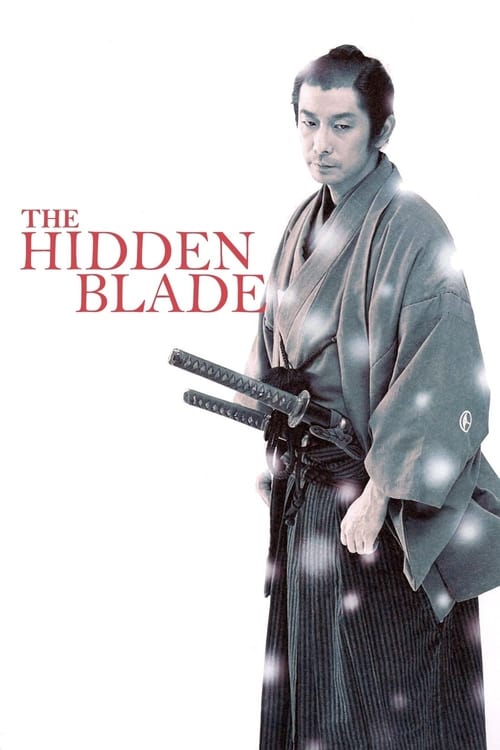
2004

2010
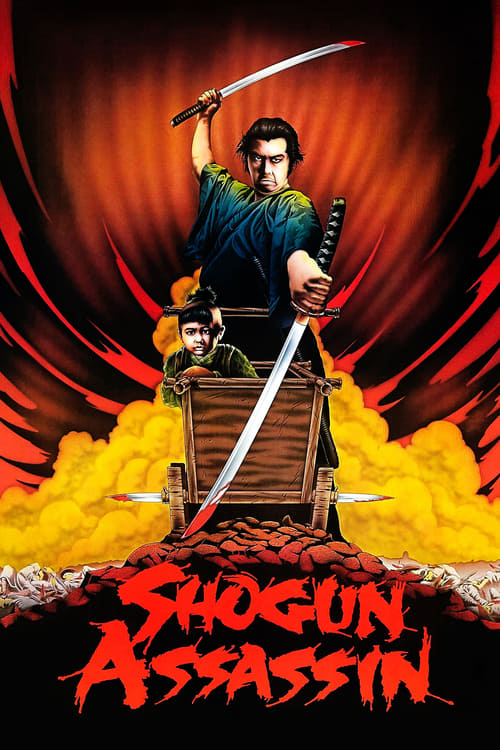
1980
1999
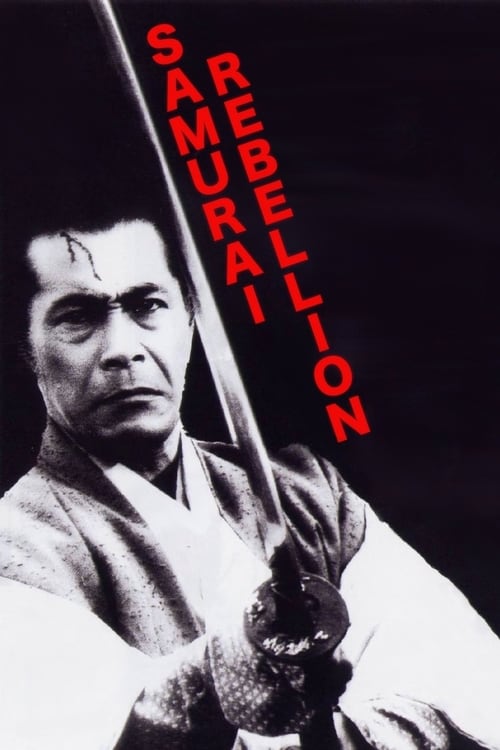
1967
1993
2003
No reviews yet. Be the first to share your thoughts on this movie!
Use the rating form above to leave a star rating and optional review.