
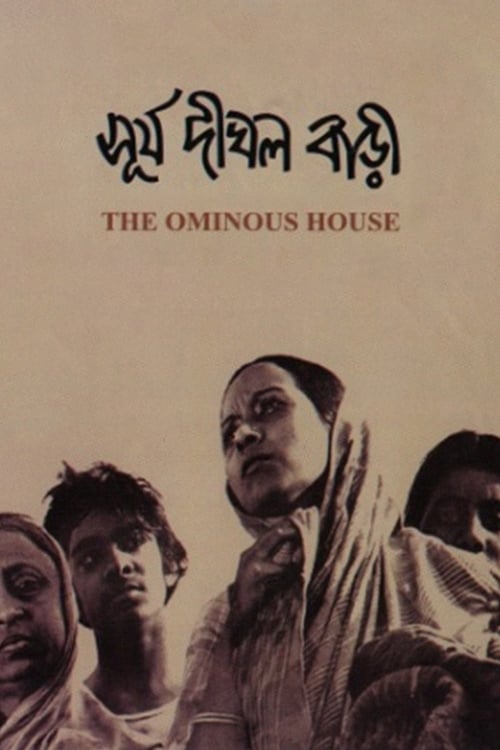
Aguner Poroshmoni
1995
No user ratings available yet
Representation score: 3.1 out of 10
Representation Score
Limited
1979
Director
Sheikh Niamat Ali, Masihuddin Shaker
Runtime
131 minutes
Average Rating
No ratings yetNew Showbiz Analysis
The Ominous House stands out for its commitment to non-Western historical perspectives. By centering the devastating impact of the 1943 Bengal Famine, the film offers a meaningful departure from Western-centric dramatic clichés and prioritizes the perspective of underrepresented subjects. However, the film lacks modern identity-politics markers. There is no visible representation of LGBTQ+ identities or specific disability ability to act, which limits its breadth of social commentary. Ultimately, the film's strength lies in its systemic critique of colonial-era stability and its focus on South Asian ability to act during the World War II era.
Category Breakdown
The film lacks any evidence of LGBTQ+ characters or narratives. It focuses on the survival of a traditional family unit during a period of extreme scarcity.
The narrative centers on a struggling family during a famine. While women likely navigate domestic survival, there is no clear evidence of women's ability to drive the story subverting patriarchal structures.
The film provides high ethnic representation by centering a South Asian narrative. It disrupts Eurocentric cinematic gazes by prioritizing the lived experiences of a Bengali family.
The story critiques systemic failures and colonial-era resource management. It explores the breakdown of traditional institutions and the struggle against systemic socio-political oppression.
There is no specific evidence regarding the portrayal of physical or neurodivergent disabilities within the film's narrative.
Present on Screen
Limited or Absent
Official Synopsis
A poor family returns to their village from Dhaka after The Great Bengal Femine 1943. This movie centers on their struggling life during the World War II period.
1995

1948
1973
1959
1946

1952
2004
1959
No reviews yet. Be the first to share your thoughts on this movie!
Use the rating form above to leave a star rating and optional review.