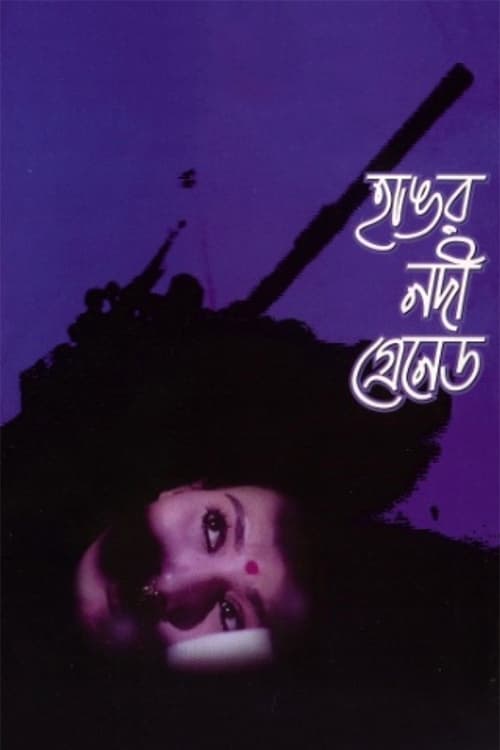
The Mother
1997
No user ratings available yet
Representation score: 5.8 out of 10
Representation Score
Limited
1995
Director
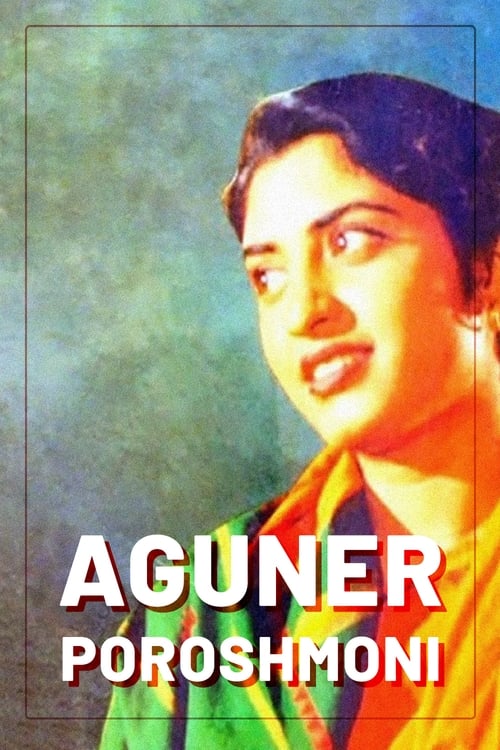
Humayun Ahmed
Runtime
123 minutes
Average Rating
No ratings yetNew Showbiz Analysis
Aguner Poroshmoni is a deeply localized work of social realism that prioritizes cultural authenticity over Western cinematic clichés. It captures the specific identity and historical struggle of the Bengali people during wartime. However, the film strictly adheres to the traditional social frameworks of its era, focusing on the domestic bonds of the nuclear family without challenging established gender hierarchies or sexual identities. Ultimately, the film offers a grounded, authentic portrayal of a specific historical moment, emphasizing humanism and middle-class life amidst national upheaval.
Category Breakdown
The film follows the traditional social norms of 1990s Bangladesh and does not include any stories involving LGBTQ+ individuals or non-binary identities.
Female characters have significant emotional depth within the domestic setting, but the film upholds traditional gender roles and power structures of the time.
The film features a cast that accurately represents the local Bengali population, avoiding Western-centric casting to highlight the ability to act of the local community.
Religious and communal elements are shown as integral parts of the cultural landscape, with the film highlighting how systemic instability affects the sanctity of the home.
There are no prominent depictions of visible or invisible disabilities, nor are any character arcs driven by disability issues.
Present on Screen
Limited or Absent
Official Synopsis
A middle-class family shelters a freedom fighter in war-torn Dhaka.
1997

2005
2002

2000

2004

1991
2004
2013
No reviews yet. Be the first to share your thoughts on this movie!
Use the rating form above to leave a star rating and optional review.