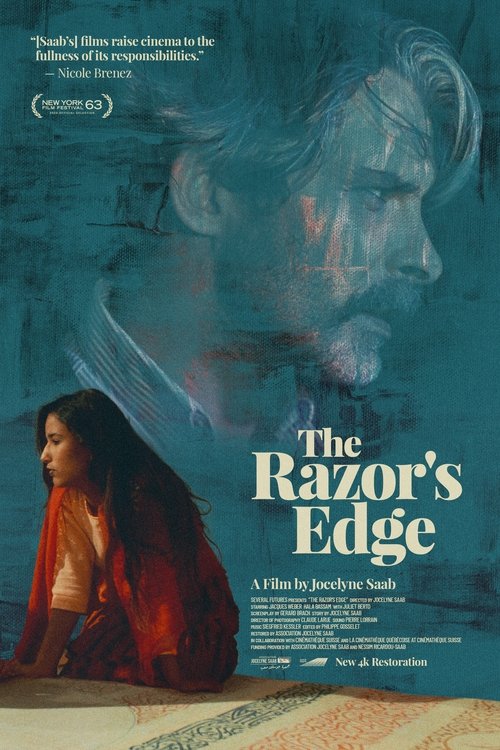
The Razor's Edge
1985
No user ratings available yet
Representation score: 9.0 out of 10

Representation Score
Good
2025
Director
David Oelhoffen
Runtime
116 minutes
Average Rating
No ratings yetNew Showbiz Analysis
The 4th Wall stands out from typical war films by emphasizing psychological depth rather than military action. Using a theatrical production as a central plot device allows the film to explore the intersection of art and sectarian conflict. The film's multi-ethnic cast effectively mirrors the complex social fabric of 1982 Beirut, moving away from Western-centric views to focus on a historically significant struggle. While the film excels in representing ethnic and cultural diversity, it lacks evidence of LGBTQ+ identities or disability representation. The narrative primarily addresses geopolitical and religious tensions during the Lebanese Civil War.
Category Breakdown
The film does not include explicit representations of LGBTQ+ characters or non-traditional gender identities. The primary romantic relationship focuses on Georges and Imane.
Imane plays a crucial role in shaping the protagonist's emotional journey. This shifts the traditional focus from male-dominated war stories to highlight the influence of a woman.
The film features a multi-ethnic cast that mirrors Lebanon's diverse political and religious landscape. Casting actors from various backgrounds emphasizes the country's complex social structure.
By staging Antigone, the film critiques nationalist and religious institutions. It delves into the tension between personal beliefs and state laws.
There is no specific mention of the portrayal of physical or neurodivergent disabilities in the film.
Present on Screen
Limited or Absent
Official Synopsis
Lebanon, 1982. To keep a promise made to an old friend, Georges, an idealistic theater director, travels to Beirut for a project as utopian as it is risky: to stage the play Antigone on the front line, in order to steal a moment of peace from the raging civil war. The characters will be played by actors from different political and religious camps. Lost in a city and a conflict he knows nothing about, Georges is guided by Marwan. As fighting resumes, everything is soon called into question, and Georges, who falls in love with Imane, has to face up to the reality of war.
1985
2015
1998
1968
1994
1997
1987
2004
No reviews yet. Be the first to share your thoughts on this movie!
Use the rating form above to leave a star rating and optional review.