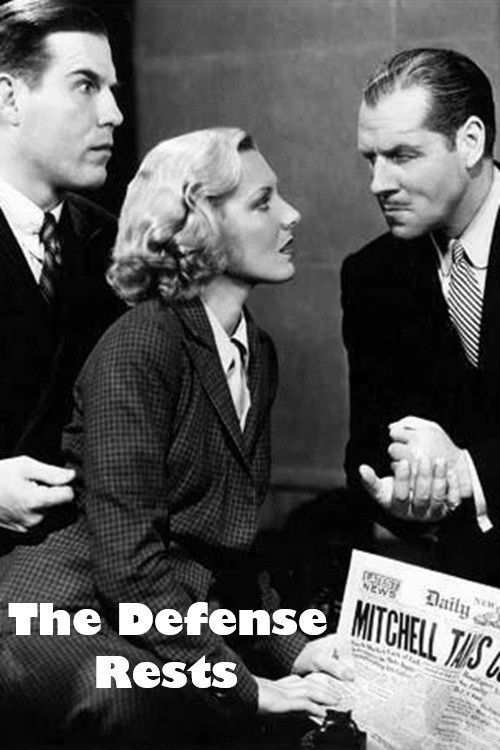
The Defense Rests
1934
No user ratings available yet
Diversity score: 2.9 out of 10
No Poster Available
1935
ApprovedDirector
Lambert Hillyer
Runtime
70 minutes
Average Rating
No ratings yetSynopsis
Norman Foster plays a millionaire who takes a job as a reporter after he's wiped out in the Stock Market. Foster's managing editor Samuel S. Hinds considers the young upstart to be a pain in the neck. But all is forgiven-at least until next time-when Foster solves a series of puzzling robberies..
Overall Score
Minimal
Category Breakdown
LGBTQ+ Representation
The film offers no evidence of non-heteronormative identities. The narrative focuses entirely on traditional professional and economic struggles.
Gender Representation
The story centers on a male-dominated professional environment involving a reporter and an editor. There is no indication of female intellect driving the plot.
Racial & Ethnic Diversity
The film likely reflects the homogeneous casting standards of 1935. There is no evidence of diverse ensembles or intersectional complexity.
Religious & Cultural Diversity
The narrative reinforces traditional Western values regarding capitalism and the rule of law. It emphasizes resilience within existing social structures.
Disability Representation
No characters with visible or invisible disabilities are documented as central thematic elements or narrative drivers.
Strengths
Areas for Improvement
AI Analysis
Behind the Evidence is a standard 1930s crime drama that follows a classic 'fall from grace' arc. The story focuses on a former millionaire navigating a shift in social class after the stock market crash. The film operates within the conventional frameworks of its era, prioritizing individualist heroism and the restoration of order. It adheres to established genre tropes rather than attempting to subvert social hierarchies. Ultimately, the production aligns with the era's cinematic norms, lacking the intersectional complexity or subversive agency required to challenge established cultural structures.
1934
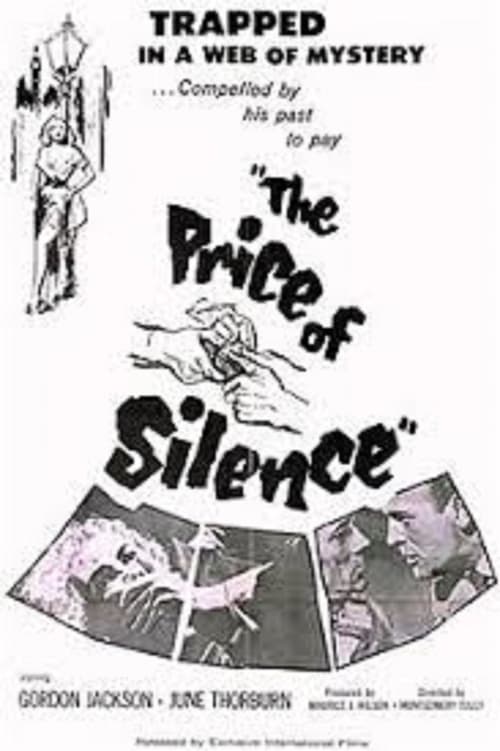
1959
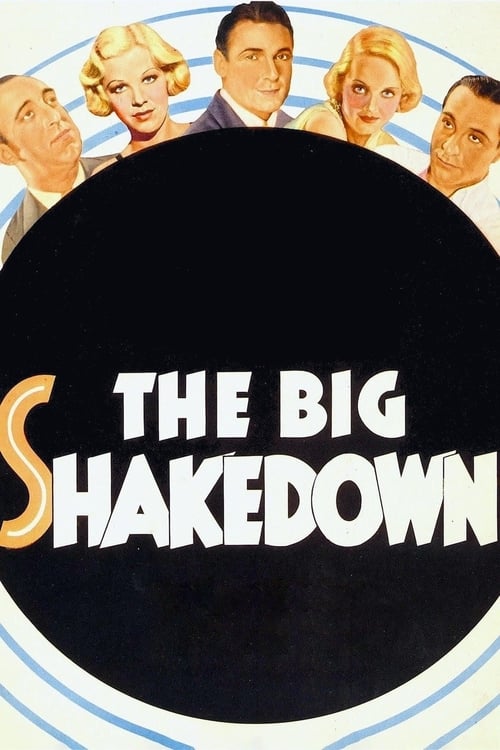
1934
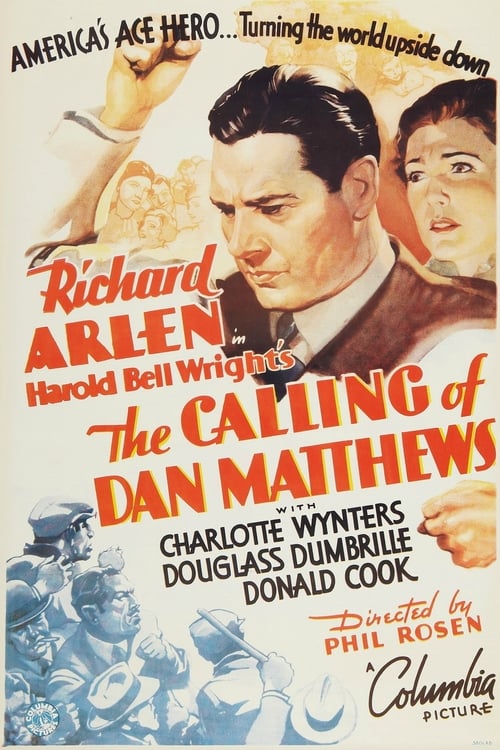
1935

1937

1930

1932

1939

1940

1935

1936

1932
No reviews yet. Be the first to share your thoughts on this movie!
Use the rating form above to leave a star rating and optional review.