Sketch Film #3
2006
No user ratings available yet
Representation score: 0.0 out of 10
Representation Score
Minimal
1987
Director
Takashi Ito
Runtime
3 minutes
Average Rating
No ratings yetNew Showbiz Analysis
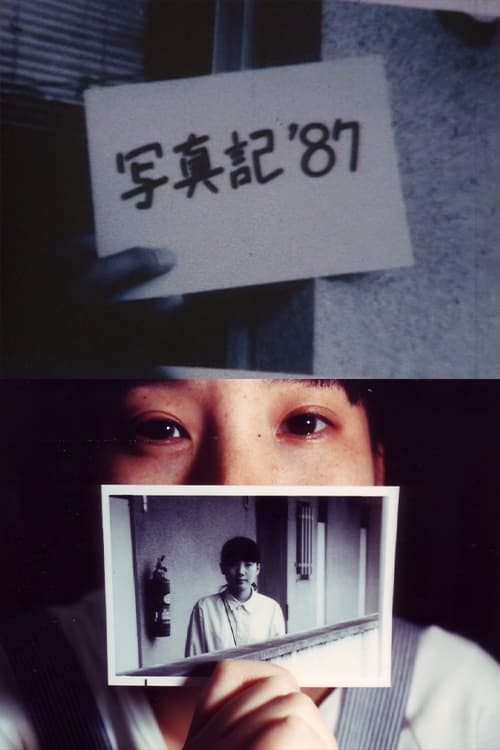
Photodiary '87 opens on the quiet, mechanical repetition of a camera shutter, transforming a relative’s wedding and mundane domestic moments into a stop-motion collage. Director Takashi Ito treats these events not as dramatic narratives but as textures for artistic experimentation, using "tricky techniques" to frame-by-frame document the landscape from his window and commemorative travel photos. The film’s argument is one of aesthetic detachment: by converting living people into still images, Ito strips the scenes of immediate social weight, presenting family life as a series of visual compositions rather than a site of ideological conflict. The sold meaning is one of intimate, private confession, yet the pictures remain firmly within the bounds of traditional Japanese social norms. The wedding is depicted with a neutral, almost clinical eye, neither celebrating the union’s romantic ideals nor critiquing its patriarchal underpinnings. The camera loves the texture of the moment—the movement of a sleeve, the arrangement of a table—more than the people within it. This results in a film that is technically intriguing but socially inert, offering a window into 1987 Japanese domesticity that confirms the status quo without challenging it. The last image, like the first, is a static photograph, suggesting that for Ito, life is best understood as a collection of preserved moments, safe from the messiness of active engagement. It is a personal diary, not a political statement, and its value lies in its technical curiosity rather than any subversive content.
Category Breakdown
Absent. The film documents a relative’s wedding and daily life without depicting same-sex intimacy or identifying any characters by sexual orientation.
Limited. The narrative centers on a male filmmaker’s perspective, documenting a wedding and domestic scenes where women appear as participants in traditional roles rather than as autonomous subjects.
Absent. The cast consists of Japanese relatives and acquaintances; no non-white characters appear or are discussed within the frame.
Limited. The film treats traditional Japanese family structures, such as the wedding ceremony, as neutral subjects for artistic observation rather than critiquing or celebrating them explicitly.
Absent. No characters with visible disabilities or impairments are depicted in the stop-motion photographs or travel sequences.
Present on Screen
Limited or Absent
Official Synopsis
I turned my gaze to the various events in daily life and made this filmic diary in a manner as if confessing my feelings. Of course, since I was making the film, I wanted to depict these feelings and events with tricky techniques. I used various methods to shoot photographs of a relative's wedding, the landscape I see from window of my house, commemorative travel photographs and the like frame-by-frame.
2006
1929
1988
1983
2005
1997
1988
1987
No reviews yet. Be the first to share your thoughts on this movie!
Use the rating form above to leave a star rating and optional review.