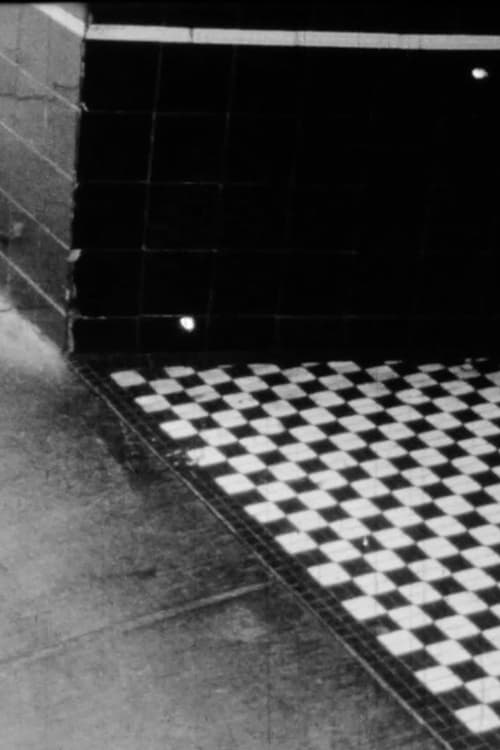
Sketch Film #1
2005
No user ratings available yet
Representation score: 0.0 out of 10
Representation Score
Minimal
2006
Director
Tomonari Nishikawa
Runtime
2 minutes
Average Rating
No ratings yetNew Showbiz Analysis
Sketch Film #3 is a formalist study of light, motion, and depth. As a non-narrative, experimental short, it prioritizes visual phenomena over character-driven storytelling. Because the film focuses on geometric shapes and camera movements, it lacks the social context needed to address identity issues. It exists entirely outside the realm of social commentary. While the film does not contribute to progressive representation, it also avoids reinforcing conventional social hierarchies.
Category Breakdown
Since the film is an abstract, silent animation using geometric shapes, it does not feature any characters or interpersonal dynamics that could represent sexual orientation.
The work is entirely non-human, with no sentient characters. Therefore, there is no opportunity to assess gender hierarchies or dynamics.
This black-and-white stop-motion film focuses on abstract subjects. Without human characters, it does not address racial or ethnic identity.
The film serves as a technical experiment in optical effects. It avoids religious or socio-economic themes, concentrating instead on the aesthetic qualities of the Super 8 format.
There are no depictions of sentient beings in this piece. Consequently, there is no representation of neurodivergence or physical disabilities.
Present on Screen
Limited or Absent
Official Synopsis
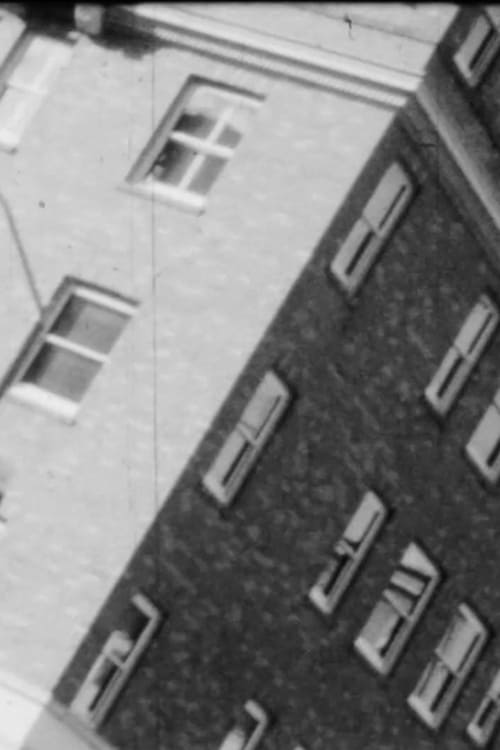
"The third film in the series, which starts with a sequence of paired images: a focused image and a blurred image of the same subject, which was caused by a diagonal camera movement. Later, it shows an experiment to produce an apparent depth by rotating an apparent shape. It was edited in camera and hand-processed afterwards." (Tomonari Nishikawa)
2005
1978
1951

2021
1968
1993

2011
1973
No reviews yet. Be the first to share your thoughts on this movie!
Use the rating form above to leave a star rating and optional review.