
The Art of 'Spirited Away'
2003
No user ratings available yet
Representation score: 3.7 out of 10
Representation Score
Limited
1987
Director
Isao Takahata
Runtime
167 minutes
Average Rating
No ratings yetNew Showbiz Analysis
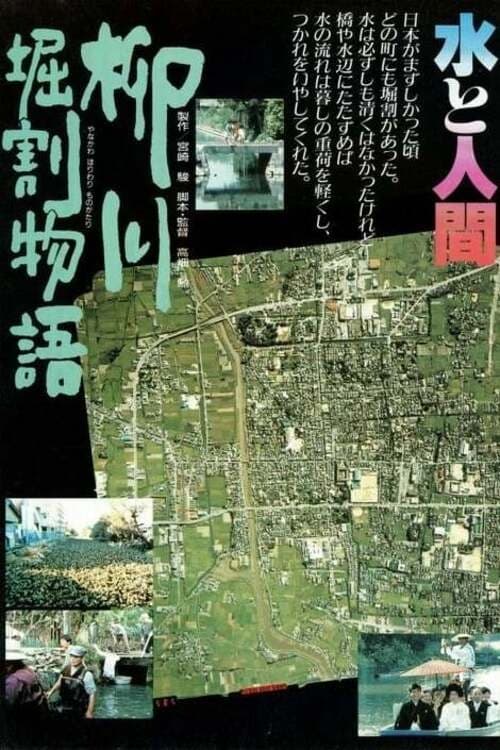
The Story of Yanagawa's Canals is a contemplative documentary-animation hybrid that prioritizes historical accuracy over social critique. It captures the interaction between human infrastructure and environmental rhythms in the Yanagawa region through a localized perspective. While the film offers an authentic portrayal of Japanese communal life and seasonal labor, it does not incorporate the multi-layered complexity seen in contemporary cinema. Its representation adheres to the social structures of the late Edo period without attempting to challenge them. Ultimately, the work is a quiet appreciation of historical continuity, avoiding modern ideological frameworks and focusing on the interplay between community and geography within a specific cultural setting.
Category Breakdown
The film does not depict any queer narratives or non-straight relationships.
Women are portrayed in a historically accurate manner, focusing on their roles in domestic life and community. The film does not challenge traditional gender hierarchies.
The cast reflects the specific Japanese context of Fukuoka, creating an authentic ethnographic portrait of the local community.
The film highlights traditional folk customs and seasonal observances, emphasizing a localized spirituality and environmental harmony.
There are no characters or plotlines centered on physical or neurodivergent disabilities.
Present on Screen
Limited or Absent
Official Synopsis
A partially-animated documentary about the preservation and restoration of the canal system in Yanagawa, Fukuoka
2003
2013

2010

1991

1998

2016

1973

1978
No reviews yet. Be the first to share your thoughts on this movie!
Use the rating form above to leave a star rating and optional review.