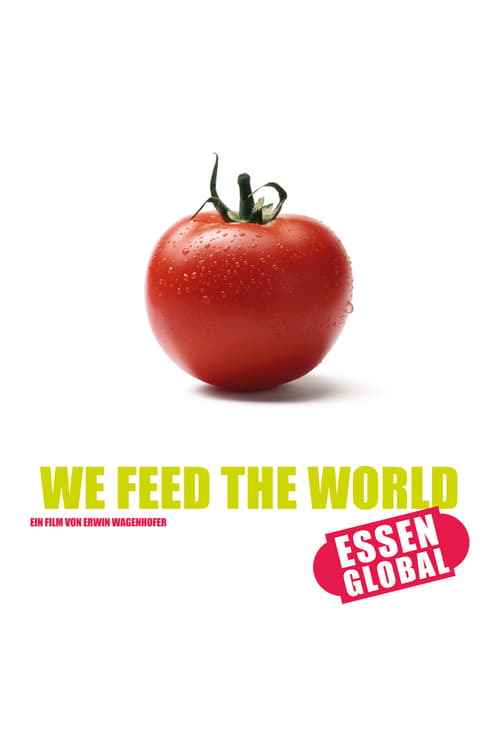
We Feed the World
2005
No user ratings available yet
Diversity score: 6.3 out of 10

2005
Director
Hubert Sauper
Runtime
107 minutes
Average Rating
No ratings yetSynopsis
Africa in the sixties. The Nile perch, a ravenous predator, is introduced into Lake Victoria as a scientific experiment, causing the extinction of many native species. Its meat is exported everywhere in exchange for weapons, creating a globalized evil alliance on the lake shores. An infernal nightmare in the real world that wipes out Darwin's Theory of Evolution.
Overall Score
Fair
Category Breakdown
LGBTQ+ Representation
The film focuses on the ecological and socioeconomic survival of fishing communities. There are no documented LGBTQ+ characters or narratives exploring non-heteronormative identities.
Gender Representation
The narrative documents the male-dominated labor of the fishing industry. While women appear in domestic and local economic spheres, they are depicted within traditional roles necessitated by the crisis.
Racial & Ethnic Diversity
The film provides a profound centering of the Ugandan population. It avoids the white savior trope, prioritizing the lived experiences of local communities over Western-centric perspectives.
Religious & Cultural Diversity
The film offers a rigorous critique of global capitalism and Western consumerism. It portrays Western market demands as predatory forces that drive systemic instability and poverty in the region.
Disability Representation
The film depicts the physical toll of poverty and contaminated resources. However, it does not feature specific characters with disabilities as central agents of the narrative.
Strengths
Areas for Improvement
AI Analysis
Darwin's Nightmare is a powerful post-colonial critique that disrupts conventional development narratives. It succeeds by shifting the narrative agency to the Ugandan people, effectively deconstructing the systemic violence of globalized trade. While the film excels in cultural and racial representation by centering marginalized voices, it lacks depth in identity-based categories. The focus remains strictly on class, resource struggle, and the exploitation of local ecosystems. Ultimately, the film's strength lies in its refusal to adopt a Western gaze, instead exposing how international economic structures drive local instability.
2005

2009
2009
2016
2008
2014

2018
1999
2017

2018
2015
2016
No reviews yet. Be the first to share your thoughts on this movie!
Use the rating form above to leave a star rating and optional review.