Our Daily Poison
2011
No user ratings available yet
Representation score: 4.3 out of 10
Representation Score
Limited
2008
Director
Marie-Monique Robin
Runtime
108 minutes
Average Rating
No ratings yetNew Showbiz Analysis
The film excels in its post-colonial framework, moving beyond Western-centric viewpoints to center the ability to act of non-Western farmers. By examining how patent laws impact sovereignty in the Global South, it provides a necessary critique of systemic power. However, the documentary lacks representation in identity-based social categories. There is no focus on LGBTQ+ narratives or specific gendered social dynamics, which limits its breadth regarding individual identity representation. Ultimately, the film's value lies in its structural critique. It challenges conventional notions of progress by questioning the ethics of capitalist expansion and the impact of monolithic corporations on local communities.
Category Breakdown
The documentary focuses on corporate agricultural practices and geopolitical influence. There are no LGBTQ+ characters or narratives related to non-straight identities.
The film does not focus on gendered social hierarchies or domestic roles. While it avoids reinforcing traditional patriarchal leadership, it lacks a specific focus on gendered clichés.
The narrative prioritizes a global perspective by highlighting agrarian communities in the Global South, such as India. It validates the lived experiences of diverse ethnic populations facing systemic economic pressures.
The film critiques global capitalism by exploring the tension between institutional authority and local autonomy. It portrays traditional agricultural methods as a form of resistance against industrial imposition.
The investigative scope focuses on corporate history and agricultural science. There is no discernible focus on disability or neurodivergence within the film.
Present on Screen
Limited or Absent
Official Synopsis
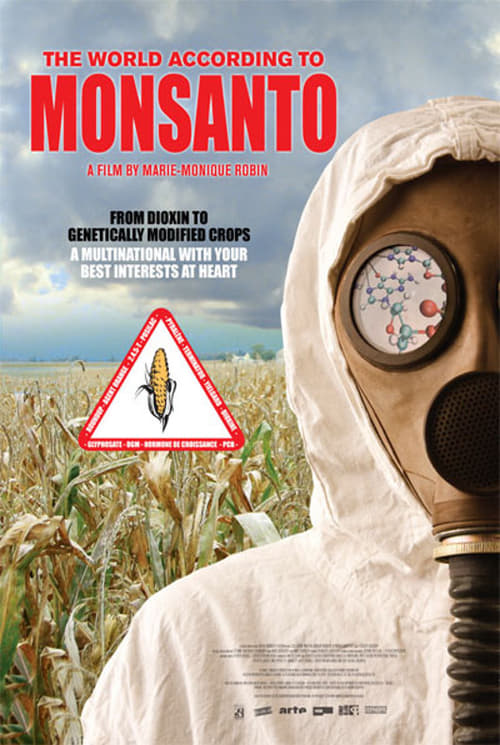
Monsanto is the world leader in genetically modified organisms (GMOs), as well as one of the most controversial corporations in industrial history. This century-old empire has created some of the most toxic products ever sold, including polychlorinated biphenyls (PCBs) and the herbicide Agent Orange. Based on a painstaking investigation, The World According to Monsanto puts together the pieces of the company’s history, calling on hitherto unpublished documents and numerous first-hand accounts.
2011
2010
2004
2009
2012
2013

2009
2022
No reviews yet. Be the first to share your thoughts on this movie!
Use the rating form above to leave a star rating and optional review.