The Ivory Game
2016
No user ratings available yet
Representation score: 5.6 out of 10
Representation Score
Limited
2017
Not RatedDirector
Shaul Schwarz, Christina Clusiau
Runtime
108 minutes
Average Rating
No ratings yetNew Showbiz Analysis
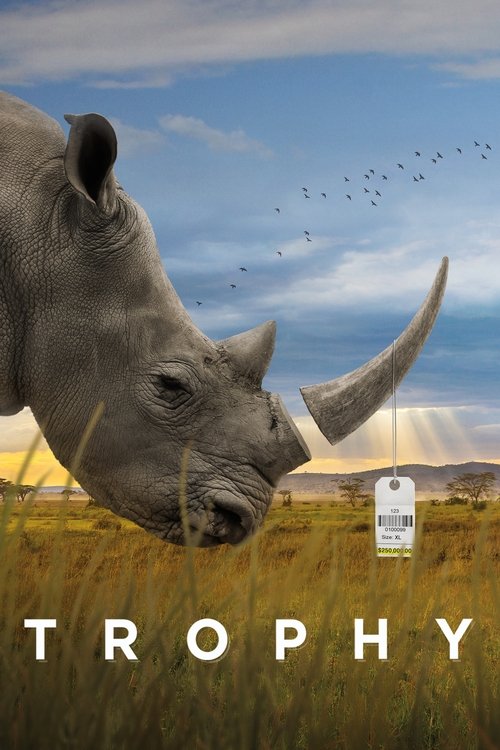
Trophy is a sophisticated investigative documentary that deconstructs global power structures. It moves beyond simple observation to examine the friction between dominant Western economic interests and the lived realities of diverse global populations. The film’s primary strength lies in its rigorous critique of colonial-era conservation models and the capitalist commodification of wildlife. By highlighting the tension between international hunters and indigenous land rights, it provides a significant role in driving the story to local subjects. However, the film is limited by its subject matter’s inherent demographics. It lacks LGBTQ+ and disability representation, and the gender landscape remains heavily skewed toward traditional masculine archetypes.
Category Breakdown
The documentary focuses solely on the ecological and economic aspects of big-game hunting. There are no LGBTQ+ characters or narratives present.
The film showcases a landscape dominated by traditional masculine roles within hunting and ranching. Gender representation centers around conventional gendered roles in wildlife management.
The film excels by contrasting wealthy Western hunters with local African communities and rangers. It highlights significant racial and socioeconomic disparities and the lingering impacts of historical colonization.
The narrative critiques capitalist frameworks and the commodification of nature. It explores how Western conservation models often conflict with local socioeconomic needs and traditional land management practices.
There is no significant or intentional focus on visible or invisible disabilities within the main storyline.
Present on Screen
Limited or Absent
Official Synopsis
This in-depth look into the powerhouse industries of big-game hunting, breeding and wildlife conservation in the U.S. and Africa unravels the complex consequences of treating animals as commodities.
2016
2016

2016

1978
2013

2005
2018
2021
No reviews yet. Be the first to share your thoughts on this movie!
Use the rating form above to leave a star rating and optional review.