The Elephant Whisperers
2022
No user ratings available yet
Diversity score: 7.1 out of 10
2015
TV-PGDirector
Julia Huffman
Runtime
74 minutes
Average Rating
No ratings yetSynopsis
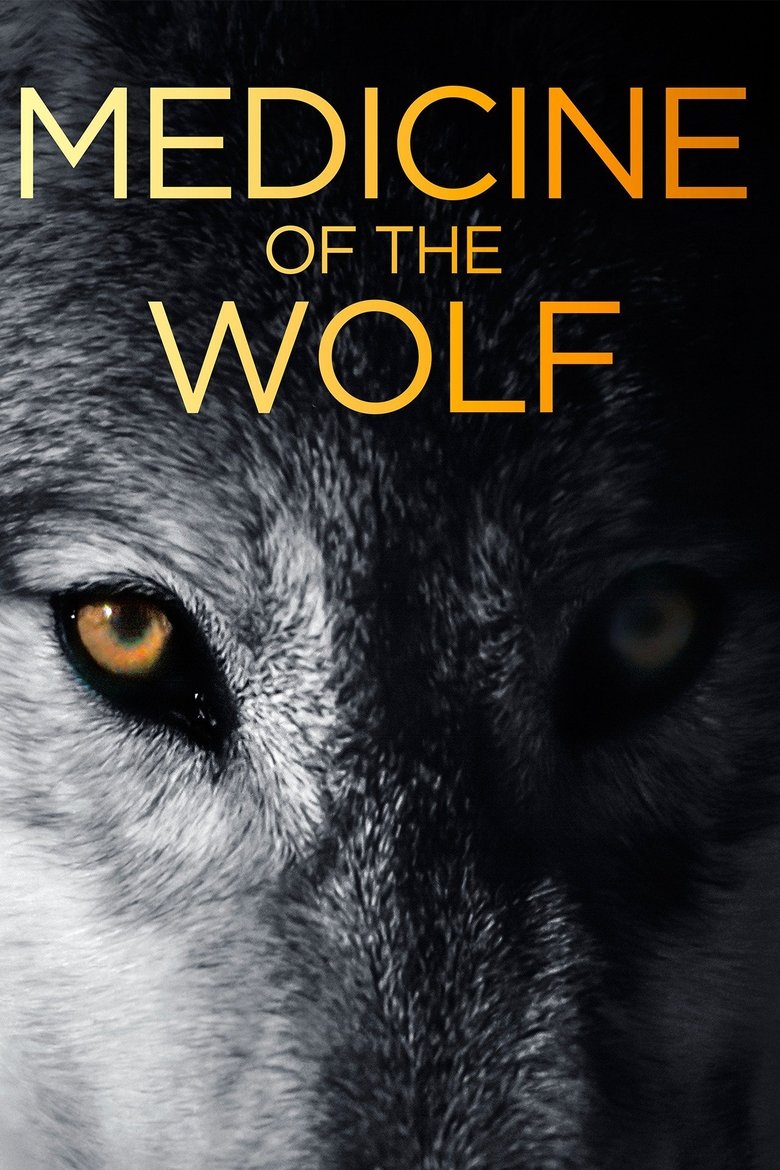
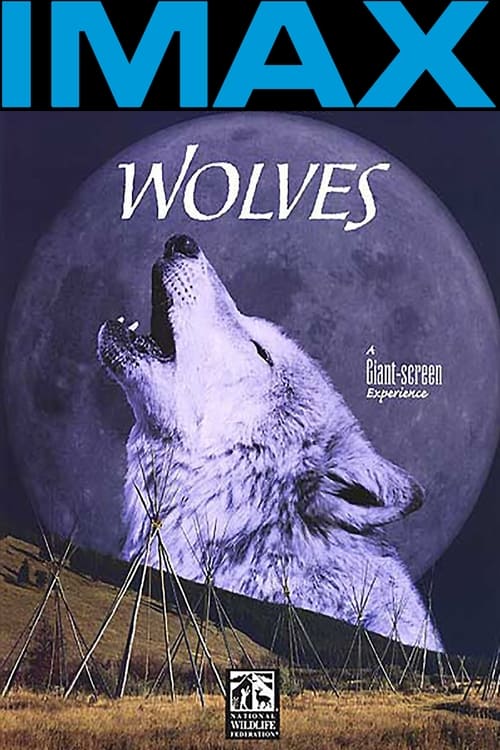
After 40 years of protection, Grey wolves were recently de-listed federally from endangered species act and their fate was handed over to state legislatures. What ensued was a 'push to hunt' in wolf country across the United States. Filmmaker Julia Huffman travels to Minnesota and into wolf country to pursue the deep and intrinsic value of brother wolf and our forgotten promise to him.
Overall Score
Good
Category Breakdown
LGBTQ+ Representation
The documentary focuses on ecological and Indigenous spiritual themes. There are no visible LGBTQ+ characters or narratives addressing non-cisnormative identities.
Gender Representation
The film centers female agency through the filmmaker’s investigative journey. It disrupts masculine-dominated tropes by prioritizing a feminine-coded pursuit of spiritual and ecological connection.
Racial & Ethnic Diversity
Indigenous perspectives are presented as vital, living frameworks rather than historical artifacts. Native American traditions are centered as authorities on the subject matter.
Religious & Cultural Diversity
The narrative critiques Western institutional frameworks and capitalist land management. It emphasizes Indigenous spirituality and the intrinsic value of the wolf over state-sanctioned exploitation.
Disability Representation
There is no specific evidence regarding the depiction of physical or neurodivergent disabilities within the film.
Strengths
Areas for Improvement
AI Analysis
Medicine of the Wolf succeeds as a subversive documentary that challenges Western-centric views of wildlife management. By centering Indigenous epistemologies and spiritual connections to the land, the film moves beyond a simple nature documentary to offer a profound critique of state-driven ecological policies. The film's strength lies in its cultural and racial depth, providing meaningful agency to Native American voices. It replaces the concept of nature as a mere resource with a framework of ancestral responsibility and interconnectedness. However, the documentary lacks representation for LGBTQ+ identities and disability. While these omissions are expected given the specific ecological focus, they limit the film's overall diversity profile.
2022
2017
2018
2019
2016
1999
2014
2017
2019
2017

2006
2017
No reviews yet. Be the first to share your thoughts on this movie!
Use the rating form above to leave a star rating and optional review.