
Panic
1947
No user ratings available yet
Representation score: 3.6 out of 10
Representation Score
Limited
1952
NRDirector
Harry Horner
Runtime
77 minutes
Average Rating
No ratings yetNew Showbiz Analysis
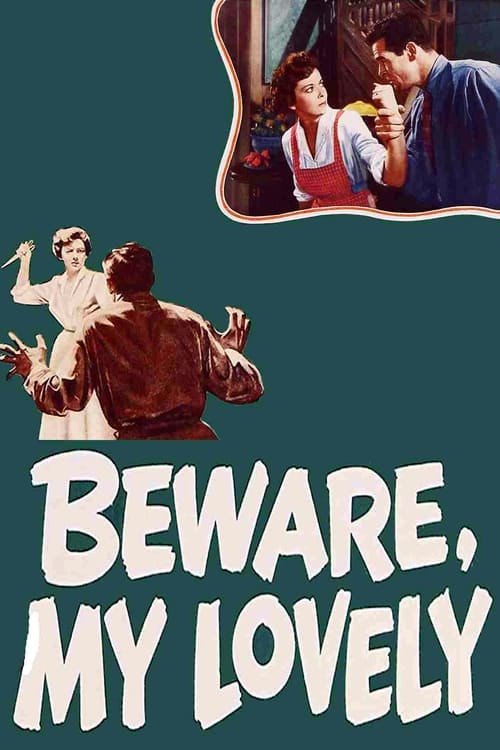
Beware, My Lovely is a classic mid-century noir that emphasizes psychological tension over social critique. While it offers a detailed exploration of obsession, the narrative structure upholds the demographic norms of its time. The film adheres to the stylistic and social conventions of 1950s British cinema, resulting in a homogeneous cast and traditional power dynamics.
Category Breakdown
The film does not include any LGBTQ+ characters or themes. The interpersonal relationships are confined to the heterosexual norms typical of 1950s crime dramas.
Joan Greenwood’s character has a strong presence, but the story is driven by male aggression and obsession. The plot heavily relies on traditional masculine roles.
The cast is predominantly white, reflecting the social norms of 1952 British cinema. There is no indication of intentional racial diversity or varied casting.
The story follows a traditional moral framework common in noir films. It focuses on individual psychological issues rather than critiquing societal or religious institutions.
Psychological instability serves as a plot device for suspense. The film does not provide meaningful or complex representations of mental health conditions.
Present on Screen
Limited or Absent
Official Synopsis
A psychopath on the run takes a job as a handyman at the house of a lonely widow.
1947
1952
1946
1950
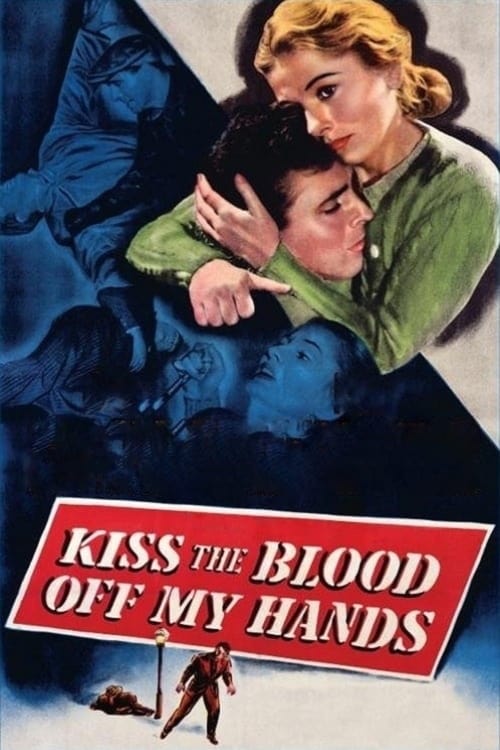
1948
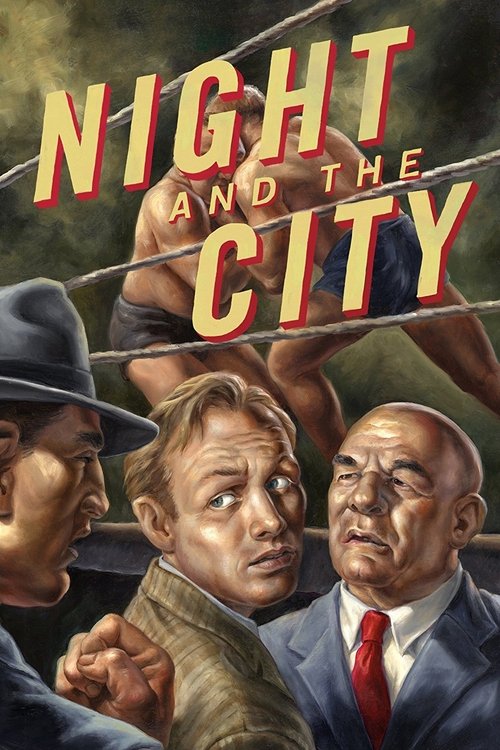
1950
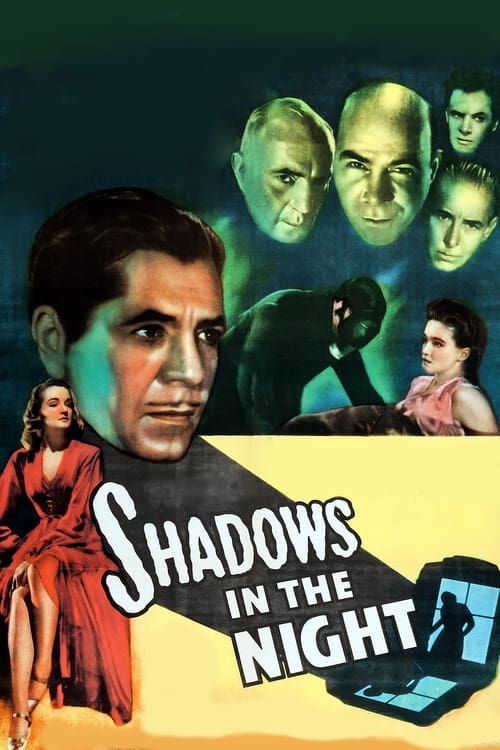
1944
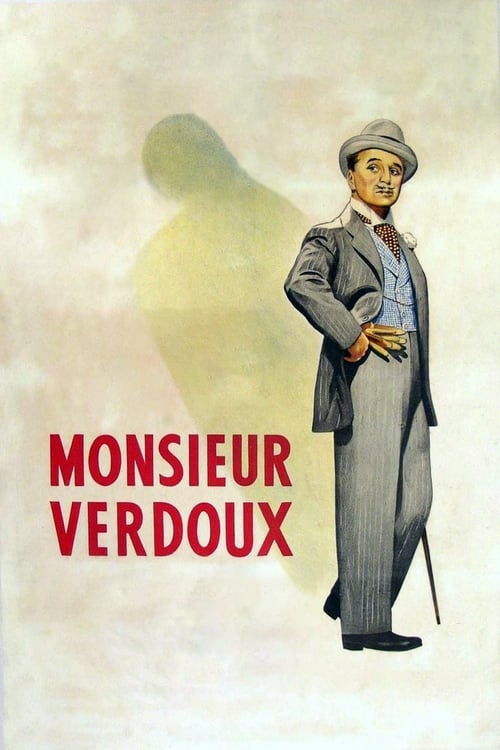
1947
No reviews yet. Be the first to share your thoughts on this movie!
Use the rating form above to leave a star rating and optional review.