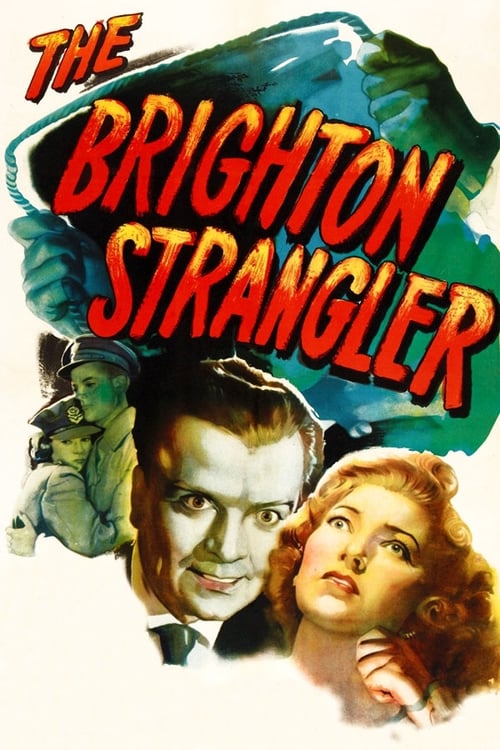
The Brighton Strangler
1945
No user ratings available yet
Representation score: 3.8 out of 10
Representation Score
Fair
1949
NRDirector
Robert Florey
Runtime
90 minutes
Average Rating
No ratings yetNew Showbiz Analysis
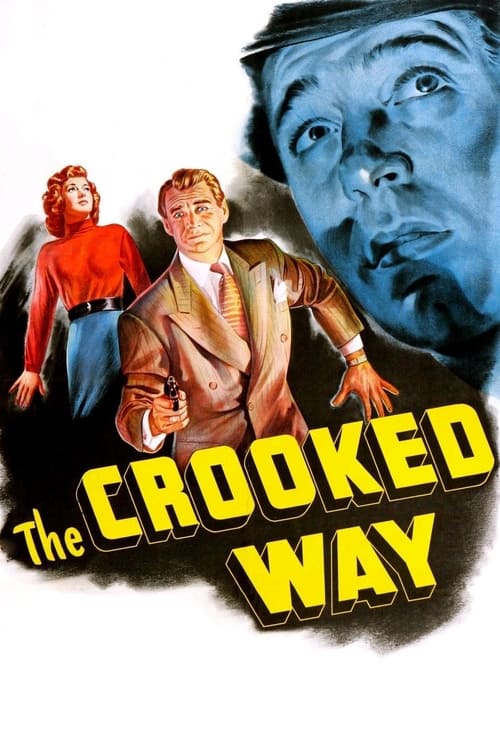
The Crooked Way is a classic noir that prioritizes individual psychological tension and genre conventions over social critique. The narrative follows a post-war structure focused on a veteran's personal struggle with his criminal past. Representation is limited by the era's standard social parameters. The film relies on traditional clichés, such as the male-centric amnesia plot and potential femme fatale archetypes, rather than deconstructing social hierarchies. Ultimately, the film serves as a character study of identity and morality. It lacks the multi-layered approach or systemic critique found in more progressive contemporary works.
Category Breakdown
The film focuses on a male protagonist's journey of self-discovery. There is no evidence of characters who don't identify with the gender they were assigned at birth or narratives that challenge the assumption that everyone is straight.
The narrative centers heavily on the male veteran's experience. Female roles likely follow traditional noir clichés of temptation rather than challenging gender hierarchies.
The film appears to adhere to standard 1949 Hollywood casting practices. There is no indication of a non-white majority cast or actors being cast in roles traditionally played by those of a different race.
The story functions as a character study of morality and identity. It does not frame Western institutions as inherently oppressive or corrupt.
Amnesia serves as a central plot device for mystery and suspense. The condition appears used as a narrative engine rather than a tool for the character to take control of their situation.
Present on Screen
Limited or Absent
Official Synopsis
A war veteran suffering from amnesia, returns to Los Angeles from a San Francisco veterans hospital hoping to learn who he is and discovers his criminal past.
1945
1942
1939
1946
1958
1947
1957

1949
No reviews yet. Be the first to share your thoughts on this movie!
Use the rating form above to leave a star rating and optional review.