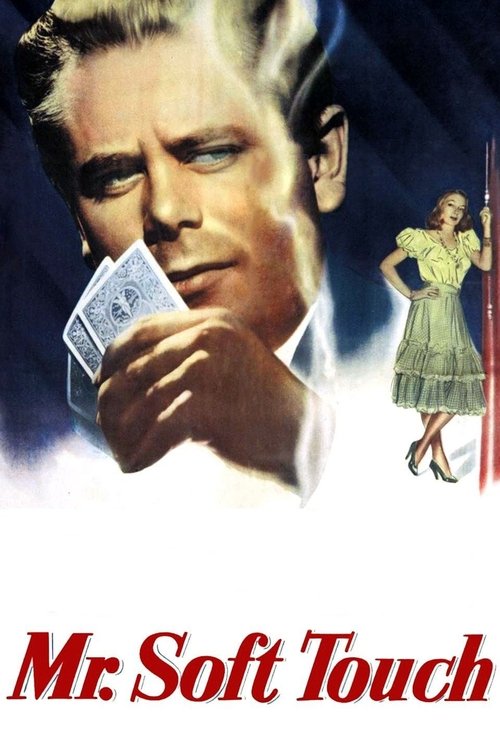
Mr. Soft Touch
1949
No user ratings available yet
Representation score: 0.8 out of 10
Representation Score
Fair
1958
NRDirector
Nicholas Ray
Runtime
99 minutes
Average Rating
No ratings yetNew Showbiz Analysis
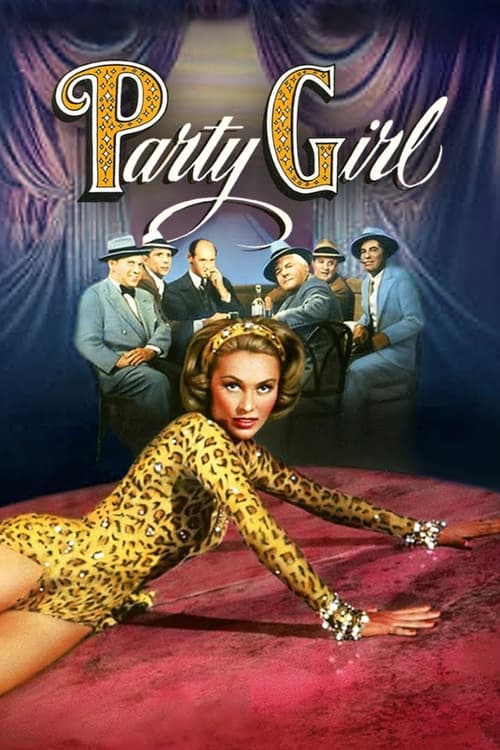
Nicholas Ray’s *Party Girl* stands out as a sophisticated character study that disrupts mid-century expectations of domestic stability. It prioritizes the psychological depth of its female protagonist, Amy, over rigid moral frameworks. This focus on individual autonomy makes the film a precursor to more progressive, character-driven narratives. However, the film is constrained by the era's production standards. The lack of LGBTQ+ and racial diversity significantly limits its inclusivity. The predominantly white cast reflects the social constraints of 1958. Ultimately, the film's strength lies in its refusal to impose punitive morality. By exploring identity and the breakdown of social norms, it offers a nuanced critique of mid-century societal expectations.
Category Breakdown
The film does not include any explicit LGBTQ+ characters or narratives. Social interactions focus on heterosexual relationships without challenging traditional gender roles or sexual orientations.
Amy's character development challenges traditional gender roles by emphasizing personal autonomy over domestic duties. Her lifestyle is shown as a positive exploration of independence rather than a moral failing.
The film features a predominantly white cast with minimal diversity. There are no significant portrayals of racial diversity or non-Anglo-Saxon characters in the main storyline.
The story critiques the superficiality of consumerist social circles and urban high society. It treats unconventional lifestyles with empathy instead of traditional moral judgment.
There are no central depictions of physical, neurological, or sensory disabilities. The film focuses on psychological isolation without using disability as a narrative device.
Present on Screen
Limited or Absent
Official Synopsis
Slick lawyer Thomas Farrell has made a career of defending mobsters in trials. It's not until he meets a lovely showgirl at a mob party that he realizes that there's more to life than winning trials. Farrell tries to quit the racket, but mob boss Rico Angelo threatens to hurt the showgirl if Farrell leaves him.
1949
1949

1931
1949
1941
1950
1946

1952
No reviews yet. Be the first to share your thoughts on this movie!
Use the rating form above to leave a star rating and optional review.