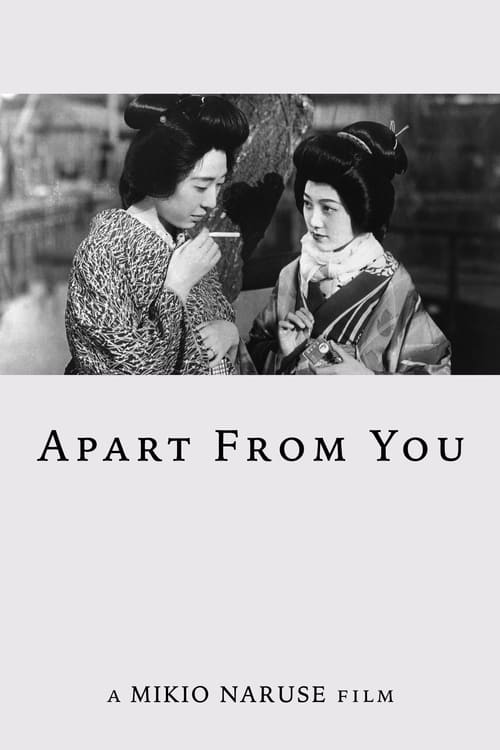
Apart from You
1933
No user ratings available yet
Diversity score: 5.8 out of 10
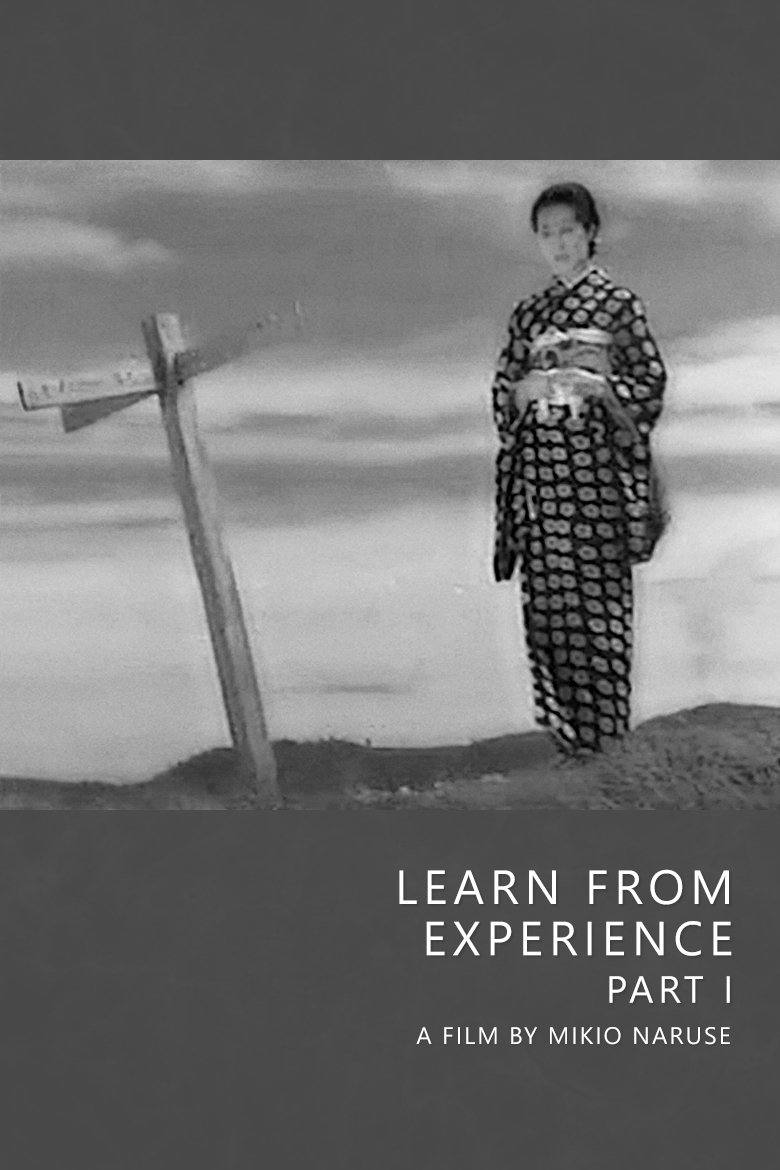
1937
Director
Mikio Naruse
Runtime
78 minutes
Average Rating
No ratings yetSynopsis
Wealthy young Toyomi and Shintaro are in love. However, Shintaro’s father is arranging for him to marry Yurie, the scion of an even wealthier family. The two lovers flee to Tokyo, but when Shintaro returns to proclaim his intent to marry Toyomi, his father browbeats him into attending the marriage meeting with Yurie. Part one of a two-part romance based on a story by noted author Kikuchi Kan.
Overall Score
Fair
Category Breakdown
LGBTQ+ Representation
The story centers on a heterosexual romance between Toyomi and Shintaro. There is no evidence of non-cisnormative identities or same-sex intimacy within the narrative.
Gender Representation
The film highlights female agency by focusing on women navigating patriarchal constraints. It uses the female experience to critique traditional domestic hierarchies and submissive femininity.
Racial & Ethnic Diversity
The cast is ethnically homogeneous, reflecting the domestic Japanese setting of 1937. It lacks multi-ethnic intersectionality but maintains cultural authenticity for its era.
Religious & Cultural Diversity
The narrative critiques rigid family hierarchies and the use of marriage for social consolidation. It explores the friction between individual agency and systemic social pressures.
Disability Representation
There is no discernible evidence regarding the representation of physical or neurodivergent disabilities in this work.
Strengths
Areas for Improvement
AI Analysis
Mikio Naruse’s direction elevates a domestic drama into a sophisticated study of individual autonomy versus institutionalized tradition. The film succeeds by centering the psychological resistance of its characters against systemic pressures, particularly through its focus on gendered agency. While the film lacks modern intersectional breadth, it provides a meaningful critique of the social structures of its time. The tension between personal desire and arranged matrimonial duties serves as a powerful narrative engine. Ultimately, the work functions as a nuanced examination of how individuals navigate the friction between personal autonomy and rigid social hierarchies.
1933

1935
1958

1952

1937
1953

1937

1955
1949

1950

1923

1931
No reviews yet. Be the first to share your thoughts on this movie!
Use the rating form above to leave a star rating and optional review.