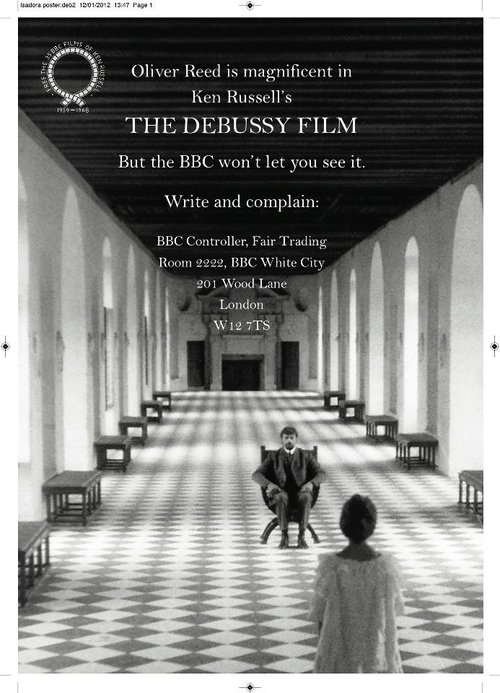
The Debussy Film
1965
No user ratings available yet
Diversity score: 4.8 out of 10
No Poster Available
1990
Director
Ken Russell
Runtime
50 minutes
Average Rating
No ratings yetSynopsis
An exploration of composer Anton Bruckner's numeromania during a nervous breakdown and stay at a sanatorium.
Overall Score
Fair
Category Breakdown
LGBTQ+ Representation
The film lacks explicit details regarding queer identity or same-sex intimacy. However, the director's history of exploring outsider status suggests a potential critique of heteronormative social pressures.
Gender Representation
The narrative likely deconstructs traditional masculine archetypes by focusing on psychological vulnerability. It moves away from the stoic composer trope toward a more fractured portrayal of masculinity.
Racial & Ethnic Diversity
The 19th-century Austrian setting suggests a homogeneous ethnic landscape. There is no evidence of significant non-white representation within this historical context.
Religious & Cultural Diversity
The film prioritizes subjective psychological truth over traditional hagiography. By centering on numeromania, it deconstructs the 'great man' historical narrative through a lens of moral relativism.
Disability Representation
The focus on numeromania provides a framework for exploring neurodivergence and mental health. The portrayal of these compulsions as central to the protagonist's identity offers meaningful representation.
Strengths
Areas for Improvement
AI Analysis
Ken Russell’s direction suggests a narrative designed to disrupt conventional biographical tropes. The film centers on the psychological complexities of Anton Bruckner, specifically his obsessive numeromania, which provides a platform for exploring non-normative cognitive experiences. While the historical setting limits racial and ethnic diversity, the film succeeds in subverting traditional masculine archetypes. It replaces the image of the stable, stoic genius with a more vulnerable and fractured portrayal of mental instability. Ultimately, the production functions as a deconstruction of historical stability. It uses neurodivergence not merely as a tragic plot device, but as a core element of the protagonist's identity and creative agency.
1965

2010

2006
1992
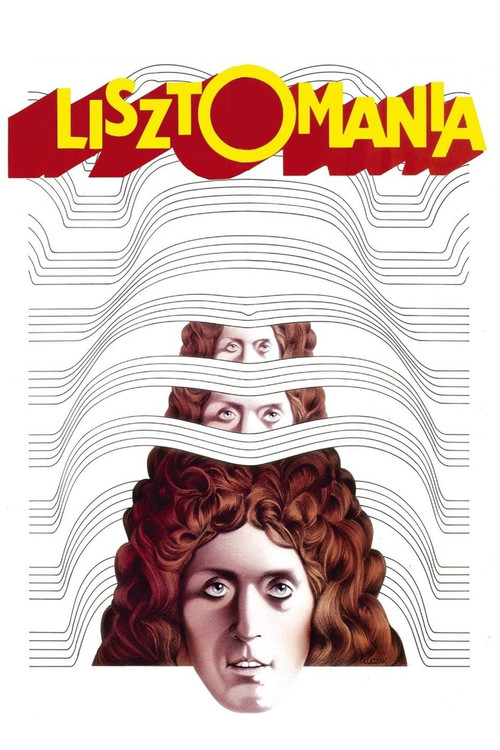
1975
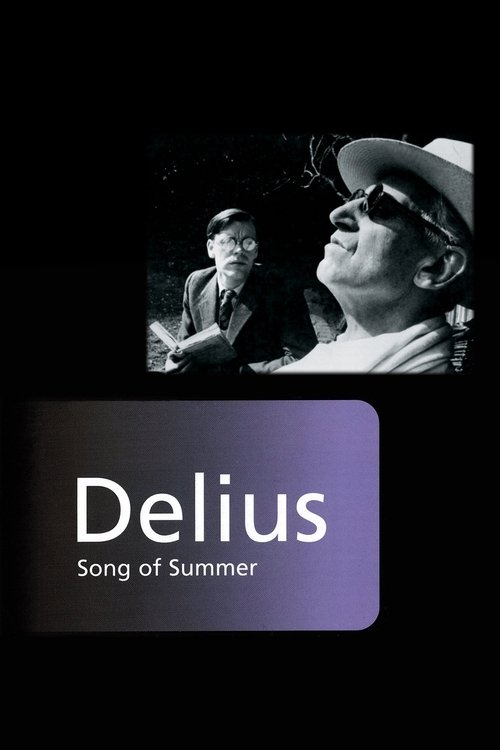
1968
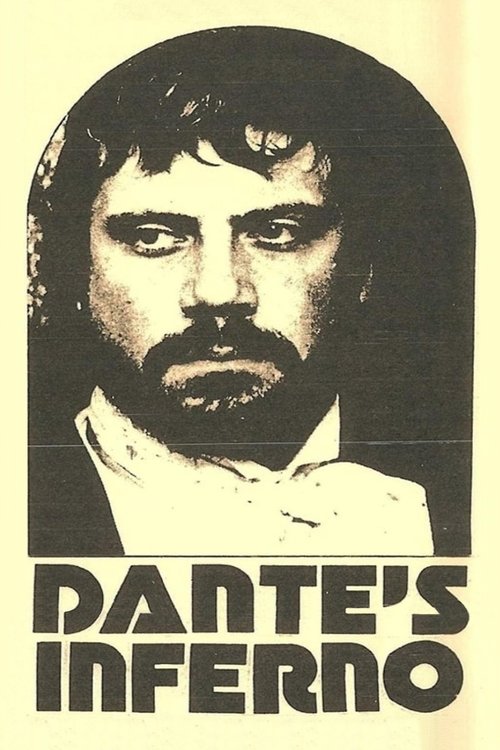
1967

1971
No reviews yet. Be the first to share your thoughts on this movie!
Use the rating form above to leave a star rating and optional review.