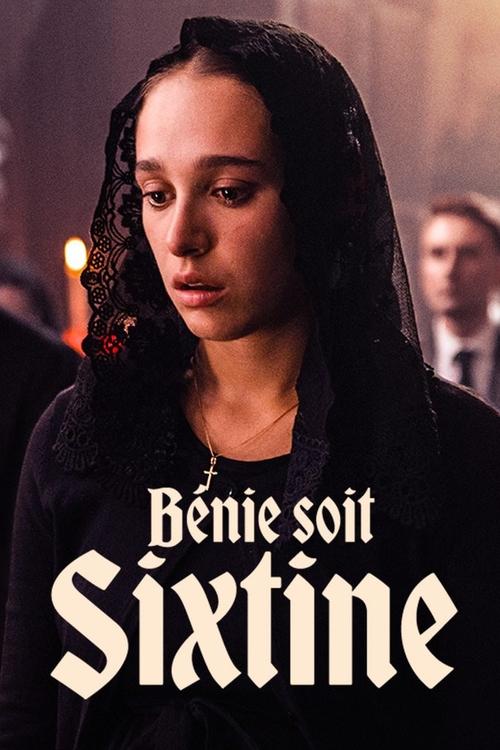
Blessed be Sixtine
2024
No user ratings available yet
Representation score: 4.9 out of 10
Representation Score
Minimal
2006
Director
Giorgio Capitani
Runtime
200 minutes
Average Rating
No ratings yetNew Showbiz Analysis
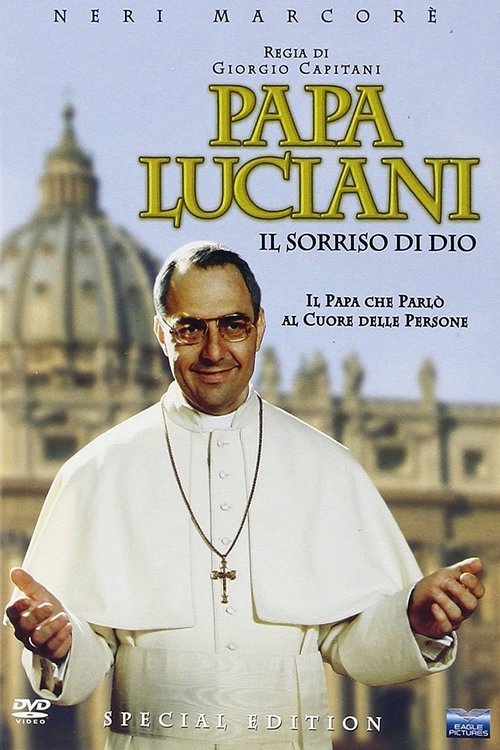
Pope John Paul I: The Smile of God is a traditional biographical drama that adheres closely to historical and institutional norms. The film’s narrative structure honors the traditions of the Catholic Church without challenging them. Given the story’s focus on the mid-1970s Vatican hierarchy, the cast and plot are naturally limited by the patriarchal and Eurocentric nature of the setting. The film serves as a straightforward historical portrait of a religious figure, lacking in-depth exploration of diverse identities. Ultimately, the production prioritizes historical accuracy and spiritual integrity over social subversion, resulting in a narrow representation of the human experience.
Category Breakdown
The film focuses on the 1970s Vatican and includes no characters with non-binary gender identities or stories that challenge traditional gender norms.
The story centers around a male-dominated institution, reinforcing traditional hierarchies and leaving female characters without much influence over their own lives.
The cast is primarily white and European, reflecting the historical demographics of the 1970s Vatican hierarchy. The film does not explore diverse character arcs to address this demographic uniformity.
This hagiographic drama emphasizes the sanctity of religious institutions and Western religious values. It portrays the Catholic Church as a stabilizing force without critiquing its practices.
The film does not depict any characters with physical disabilities, mental health conditions, or neurodivergence.
Present on Screen
Limited or Absent
2024
2005
2002
1984

1993

2015
2000

1997
No reviews yet. Be the first to share your thoughts on this movie!
Use the rating form above to leave a star rating and optional review.