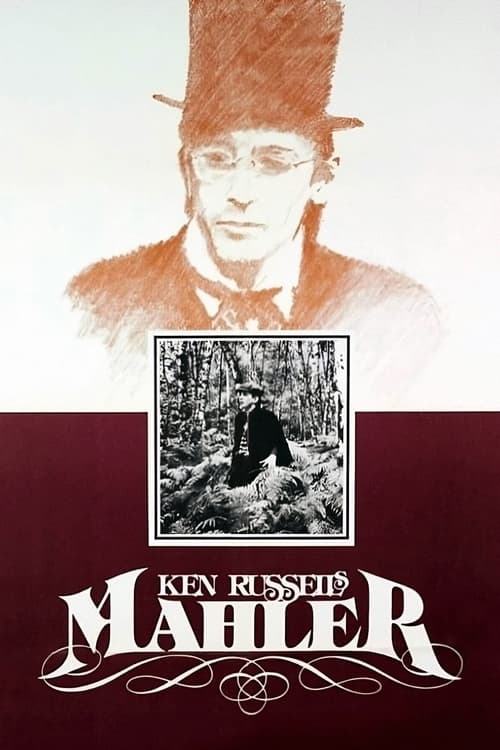
Mahler
1974
No user ratings available yet
Representation score: 3.5 out of 10

Representation Score
Good
1971
RDirector
Ken Russell
Runtime
123 minutes
Average Rating
No ratings yetNew Showbiz Analysis
Ken Russell's film deconstructs the biographical genre, focusing on psychological fragmentation rather than historical linearity. By highlighting Tchaikovsky's internal struggle with his identity, the film explores complex, non-conformist themes. The film successfully challenges traditional social hierarchies, particularly through its portrayal of queer identity and the disruption of conventional domesticity. However, its historical specificity limits racial diversity, keeping the focus within a European classical context. Ultimately, the work uses surrealism to explore subjective truths. It replaces sanitized history with a chaotic, psychological study of its subjects, making it a thought-provoking film.
Category Breakdown
The film centers on Tchaikovsky's internal conflict with his homosexuality, exploring his psychological struggles within the context of 19th-century repression. This portrayal humanizes a non-traditional experience.
Nina's volatile and high-profile role challenges traditional gender roles. She refuses to conform to the submissive wife stereotype, disrupting conventional marital structures.
The cast is predominantly European and Russian, reflecting the film's historical setting. There is no attempt at racial blending or color-blind casting.
The film questions the idea of a virtuous family unit by using religious imagery metaphorically. This imagery serves to highlight surrealism rather than reinforce institutional authority.
While there are no physical disabilities, the film delves into mental health issues and obsessive creativity. These psychological breakdowns serve primarily as stylistic devices to enhance the film's surreal tone.
Present on Screen
Limited or Absent
Official Synopsis
Composer, conductor and teacher Peter Ilych Tchaikovsky struggles against his homosexual tendencies by marrying, but unfortunately, he chooses wacky nymphomaniac Nina, whom he is unable to satisfy.
1974
1998
1980

1981
1980
1952
2008

2009
No reviews yet. Be the first to share your thoughts on this movie!
Use the rating form above to leave a star rating and optional review.