The Mystery of Dr Martinu
1992
No user ratings available yet
Diversity score: 5.0 out of 10
1975
RDirector
Ken Russell
Runtime
103 minutes
Average Rating
No ratings yetSynopsis
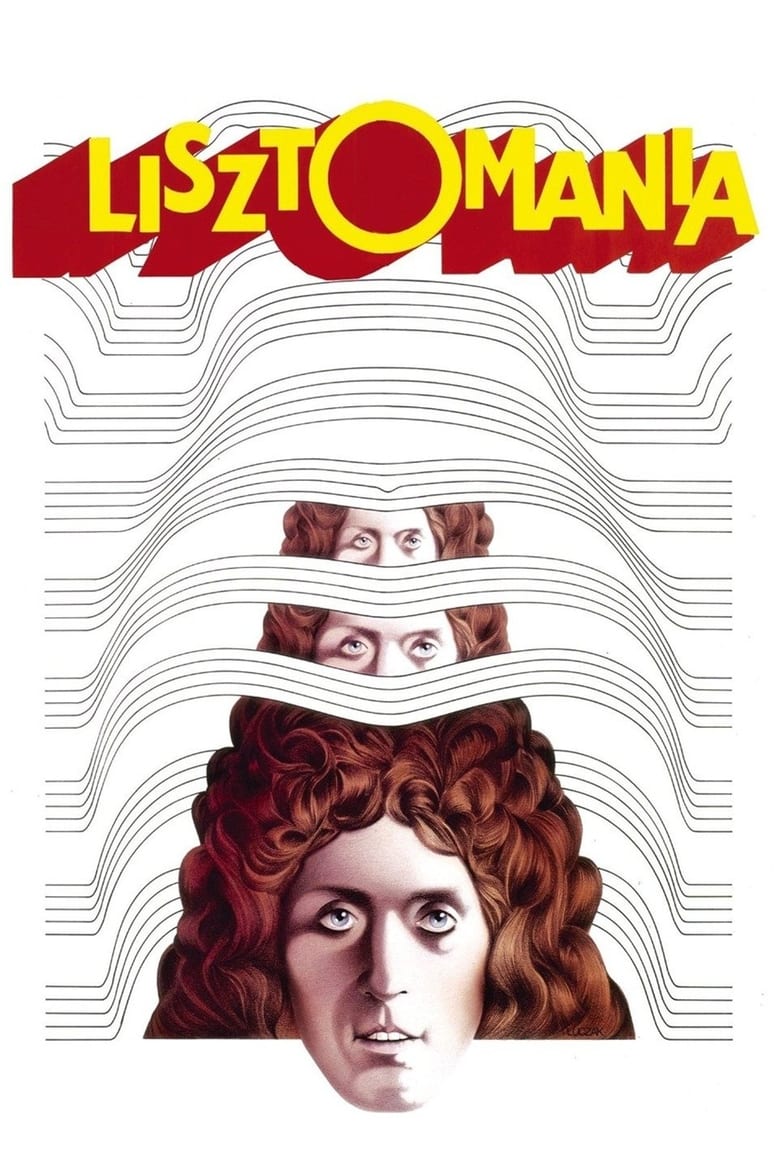
In the 19th century, Romantic composer/pianist Franz Liszt tries to end his hedonistic ways but keeps getting sucked back in by his seductive fellow composer Richard Wagner.
Overall Score
Fair
Category Breakdown
LGBTQ+ Representation
The film centers on intense, non-traditional emotional bonds between male figures like Liszt and Wagner. While it avoids explicit same-sex intimacy, it disrupts heteronormative tropes through obsessive, subtextual male camaraderie.
Gender Representation
Female characters are portrayed as a powerful, overwhelming force rather than passive observers. The narrative subverts Victorian hierarchies by framing female devotion as a chaotic power that disrupts the male-dominated social order.
Racial & Ethnic Diversity
The film reflects the demographic realities of 19th-century Europe with a focus on Western musical elites. It lacks significant non-Anglo-Saxon representation or race-bent casting.
Religious & Cultural Diversity
The film critiques Western institutions by prioritizing subjective experience over religious stability. It adopts an anti-institutional stance, treating Liszt’s hedonism as artistic liberation rather than a moral failing.
Disability Representation
The narrative explores the line between genius and psychological instability through the concept of mania. However, these depictions often function as theatrical metaphors rather than nuanced portrayals of neurodivergence.
Strengths
Areas for Improvement
AI Analysis
Ken Russell’s *Lisztomania* is a maximalist deconstruction of the biopic that favors surrealism over historical accuracy. It succeeds in subverting traditional social hierarchies, particularly regarding gender and institutional morality, by framing the artist as a disruptor of the status quo. However, the film remains tethered to a traditional Western aesthetic, offering little racial diversity. While it explores psychological intensity, it often treats mental fervor as a stylistic device rather than a grounded exploration of disability. Ultimately, the film's strength lies in its ability to use anachronism to critique the commodification of art and the rigid structures of the 19th century.
1992
1968
1990

1971
1967
2002
No reviews yet. Be the first to share your thoughts on this movie!
Use the rating form above to leave a star rating and optional review.