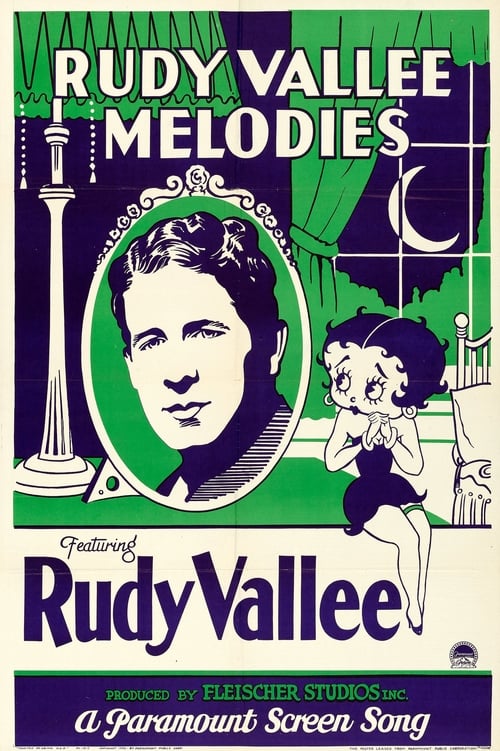
Rudy Vallee Melodies
1932
No user ratings available yet
Representation score: 2.0 out of 10

Representation Score
Limited
1932
Director
Dave Fleischer
Runtime
8 minutes
Average Rating
No ratings yetNew Showbiz Analysis
Just a Gigolo serves as a period-specific artifact of early 1930s animation. It offers a slight departure from traditional gender roles by focusing on a charming male figure, yet it remains confined by the era's social norms. The film lacks depth in representing diverse identities, focusing primarily on Western, straight-centered entertainment standards. While the cabaret setting allows for moral relativism, the narrative lacks racial or ethnic diversity. Ultimately, the work reflects the cultural limitations of its time, offering a glimpse into urban nightlife without challenging broader systemic exclusions.
Category Breakdown
The film introduces a character archetype that deviates slightly from traditional masculinity, but it doesn't show same-sex intimacy or diverse gender identities.
Women are shown in roles like cabaret emcee and cigarette girl, which challenge traditional modesty but still cater to the male gaze.
The film focuses on European cabaret aesthetics and Western musical traditions, with no evidence of non-white or non-Anglo-Saxon casts.
The setting emphasizes urban sophistication and transient social structures, rooted in Western entertainment traditions of the early 20th century.
There is no evidence of characters with visible or invisible disabilities in this short film.
Present on Screen
Limited or Absent
Official Synopsis
Irene Bordoni sings the title song in French and English with a Bouncing Ball. Cartoon sequences: Betty Boop as a cabaret emcee and cigarette girl; a romantic tom-cat gigolo.
1932
1931
1932

1934
1931
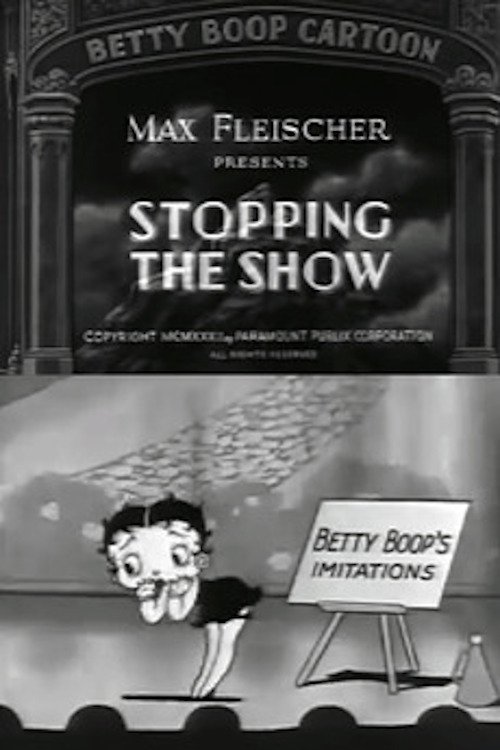
1932
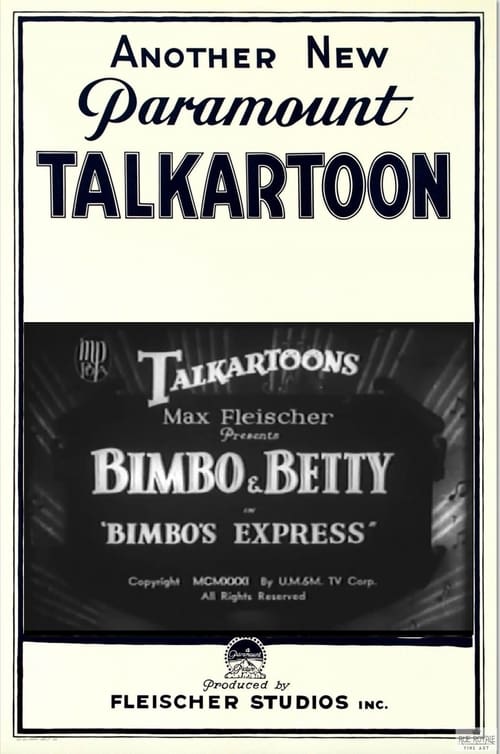
1931
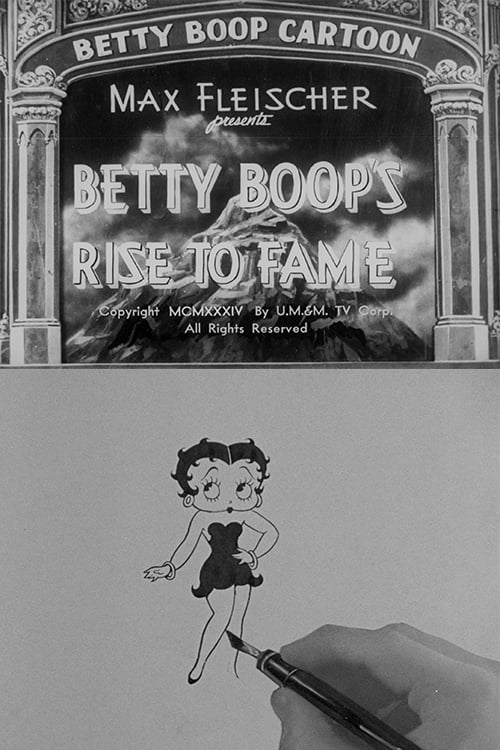
1934
No reviews yet. Be the first to share your thoughts on this movie!
Use the rating form above to leave a star rating and optional review.