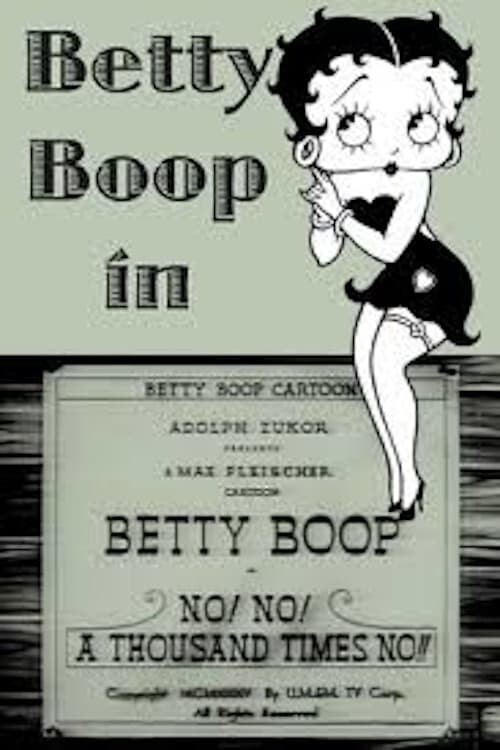
No! No! A Thousand Times No!!
1935
No user ratings available yet
Representation score: 0.4 out of 10
Representation Score
Minimal
1932
Director
Dave Fleischer
Runtime
8 minutes
Average Rating
No ratings yetNew Showbiz Analysis
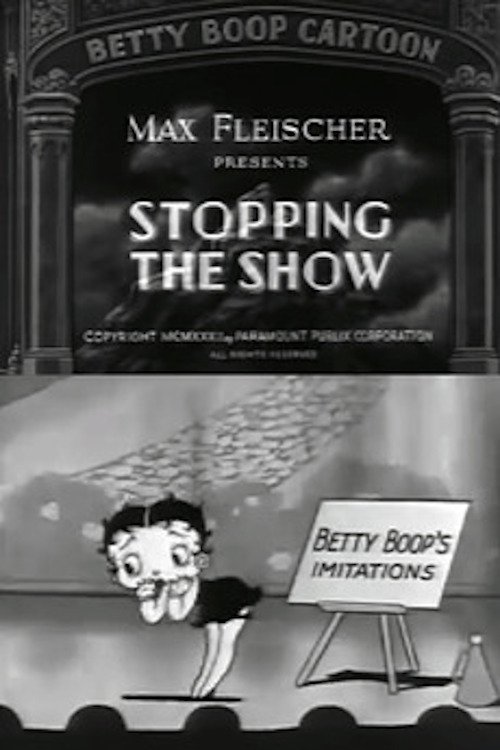
Stopping the Show is a product of its time, focusing on traditional variety entertainment. While Betty Boop offers a glimpse of growing female empowerment, the film remains tied to the demographics of the early 1930s. The production emphasizes spectacle and professional performance over diverse representation. It operates within the framework of Western entertainment, reinforcing existing social hierarchies without challenging them. Ultimately, the short lacks meaningful representation across most modern diversity standards, reflecting the limited social frameworks available to Fleischer Studios during this period.
Category Breakdown
The film showcases traditional musical performances that assume everyone is straight or cisgender. It does not include any characters with non-binary gender identities or same-sex relationships.
Betty Boop plays a significant role in driving the story, challenging traditional feminine roles. However, her flapper character is still designed for a male audience.
The characters in the film represent the homogeneous society of 1932. There is no evidence of non-white or non-Anglo-Saxon actors.
The film celebrates Western vaudeville and musical theater traditions. It does not offer any critique of the social structures of the time.
The characters in the film follow typical early animation archetypes. There is no depiction of characters with disabilities, either physical or cognitive.
Present on Screen
Limited or Absent
Official Synopsis
At the theatre, a 'Paramouse Noose Reel' and a Bimbo and Koko cartoon are followed by Betty Boop's stage performance; she sings and does imitations of Helen Kane, Fanny Brice and Maurice Chevalier.
1935
1934
1932
1935
1934
1937
1930
1933
No reviews yet. Be the first to share your thoughts on this movie!
Use the rating form above to leave a star rating and optional review.