Katnip's Big Day
1959
No user ratings available yet
Representation score: 0.1 out of 10
Representation Score
Minimal
1960
UnratedDirector
Charles August Nichols, Jack Hannah, Jack Kinney
Runtime
45 minutes
Average Rating
No ratings yetNew Showbiz Analysis
This animated retrospective serves as a nostalgic celebration of a Disney icon, emphasizing character-driven humor over social commentary. The narrative structure mirrors the status quo of the 1960s rather than challenging it. The film depends on established, traditional archetypes that lack depth in reflecting multiple aspects of identity. Since the cast consists of anthropomorphic animals, it avoids human racial and ethnic markers, resulting in a uniform presentation. Ultimately, the work focuses on promoting the brand through parody. It maintains the social and gendered boundaries of its era, providing little in the way of diverse representation or critical analysis.
Category Breakdown
The film follows strict assumptions that everyone is straight or cisgender. It focuses on Donald's relationship with Daisy Duck using typical romantic storylines.
Daisy Duck shares insights about her relationship with Donald, giving her some influence. However, roles still follow traditional gender expectations and comedic formulas.
The cast is made up of a uniform group of animal characters. The film doesn't include human racial markers or interactions with different ethnicities.
The story highlights a corporate mascot and aligns with traditional Western entertainment values. It doesn't criticize religion or Western institutions.
There are no portrayals of physical, sensory, or neurodivergent disabilities. Characters function within normal animated parameters.
Present on Screen
Limited or Absent
Official Synopsis
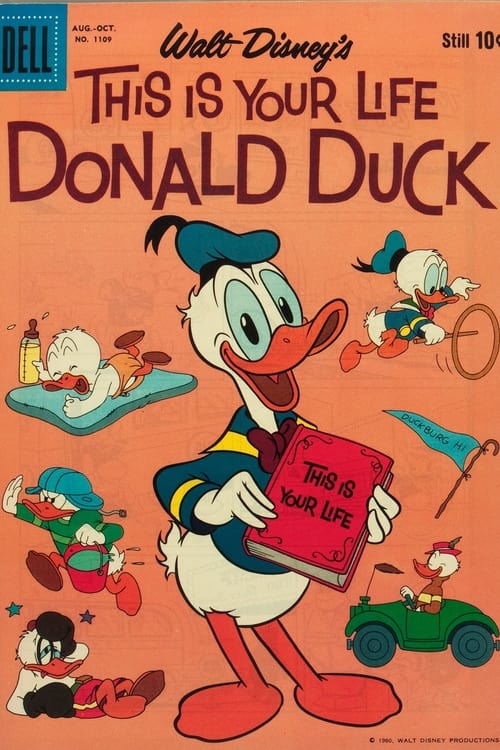
Jiminy Cricket is all set to give a testimonial to Donald Duck. But alas, Donald is relaxing at home, with no plans to leave any time soon. Literally dragged to the Disney Studio by his nephews, an outraged Donald relaxes a bit when he realizes that he's the guest of honor. Donald's life is recounted by such colleagues as Daisy Duck (who explains why she and Donald never married), Chip 'n' Dale, Mickey Mouse, Pluto, and even a few guest stars who never made a picture with the duck, including the Three Little Pigs, Snow White and the Seven Dwarfs and Lady and the Tramp.
1959
1999
1954

1977
1939
1960
1936
1935
No reviews yet. Be the first to share your thoughts on this movie!
Use the rating form above to leave a star rating and optional review.