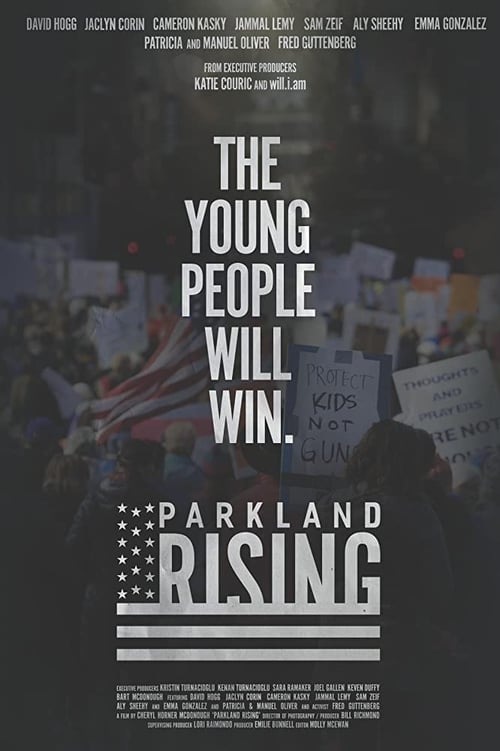
Parkland Rising
2020
No user ratings available yet
Representation score: 9.2 out of 10

Representation Score
Fair
2018
TV-MADirector
Skye Fitzgerald
Runtime
83 minutes
Average Rating
No ratings yetNew Showbiz Analysis
101 Seconds is an advocacy-driven documentary that transforms personal tragedy into a narrative of political ability to act and collective mobilization. It examines how survivors navigate systemic failures and pursue legislative change. The film excels at critiquing institutional power dynamics and framing social reform as a collective necessity. By focusing on the aftermath of violence, it provides a platform for discussing the invisible disabilities and mental health impacts of trauma. However, the film lacks specific details regarding the racial and ethnic identities of the families involved. Additionally, there is no evidence of LGBTQ+ representation or exploration of non-cisgender identities.
Category Breakdown
The film does not include any explicit evidence of LGBTQ+ characters or explore non-cisgender identities. It does not address these specific identities within its narrative.
The documentary highlights the leadership of women in grassroots movements, emphasizing their roles and voices in social reform.
The racial makeup of the families featured in the film is not specified in the available information. The score reflects a baseline for social-issue documentaries that often address multiple layers of vulnerability.
The film critiques Western legal and political structures governing firearm access. It promotes a narrative of collective social activism over traditional or individualistic approaches to safety.
The narrative addresses the psychological and invisible disabilities caused by trauma, exploring the long-term mental health implications and the resilience of survivors.
Present on Screen
Limited or Absent
Official Synopsis
101 Seconds follows two families as they join the gun control movement after members of their families are killed in a mall.
2020
2015

2016

2011

2016
2016

2015
2012
No reviews yet. Be the first to share your thoughts on this movie!
Use the rating form above to leave a star rating and optional review.