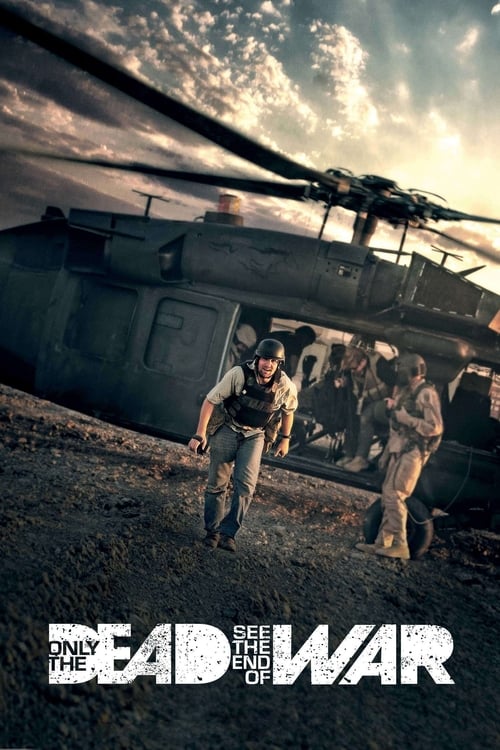
Only the Dead
2015
No user ratings available yet
Representation score: 5.7 out of 10
Representation Score
Fair
2016
TV-MADirector
Brian Oakes
Runtime
111 minutes
Average Rating
No ratings yetNew Showbiz Analysis
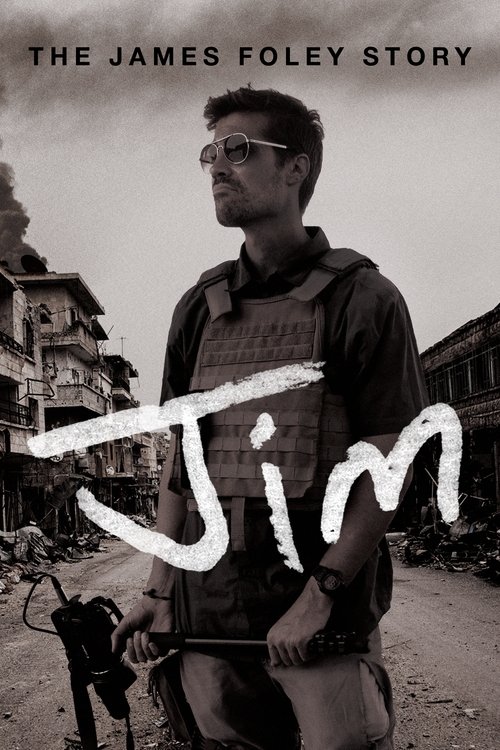
This documentary adopts a journalistic and humanistic approach, focusing less on identity-based issues and more on the personal impact of geopolitical events. By centering the story around the personal loss of a family, it grounds a large-scale crisis in a relatable context. The film avoids the typical Western-centric reporting style by featuring international experts and Middle Eastern civilians. This multi-vocal approach offers a more nuanced view of the conflicts in Libya and Syria. However, the film lacks representation for specific underrepresented groups, such as the LGBTQ+ community. Its focus remains on the intersection of investigative journalism, geopolitical conflict, and personal mourning.
Category Breakdown
The film focuses on the life and death of James Foley and his family's grief. There are no LGBTQ+ characters or narratives about non-cisgender identities.
Female family members, including Foley's mother and sister, play significant roles in the story. Their emotional resilience and intellectual strength are highlighted as they navigate systemic trauma.
The film presents a global perspective through interviews and archival footage. It includes the experiences of Middle Eastern populations in Syria and Libya, avoiding treating them as mere background.
The documentary looks at the clash between Western values and extremist ideologies. It portrays traditional Western family structures while criticizing the shortcomings of global security institutions.
Physical disabilities are not the main focus, but the film delves into the psychological impact of trauma. It treats grief and PTSD with depth and ability to act, rather than using suffering as a plot device.
Present on Screen
Limited or Absent
Official Synopsis
In August, 2014, a video of the public execution of American photojournalist James Foley rippled across the globe. Foley wore an orange jumpsuit as he knelt beside an ISIS militant dressed in black. That image challenged the world to deal with a new face of terror. And it tested one American family. Seen through the lens of filmmaker Brian Oakes, Foley’s close childhood friend, Jim takes us from small-town New England to the adrenaline-fueled front lines of Libya and Syria, where Foley pushed the limits of danger to report on the plight of civilians impacted by war.
2015
2019
2016
2011

2018
2015
2013
2019
No reviews yet. Be the first to share your thoughts on this movie!
Use the rating form above to leave a star rating and optional review.