
Ishibumi
2015
No user ratings available yet
Diversity score: 6.0 out of 10
2005
Director
Olivier Meyrou
Runtime
86 minutes
Average Rating
No ratings yetSynopsis
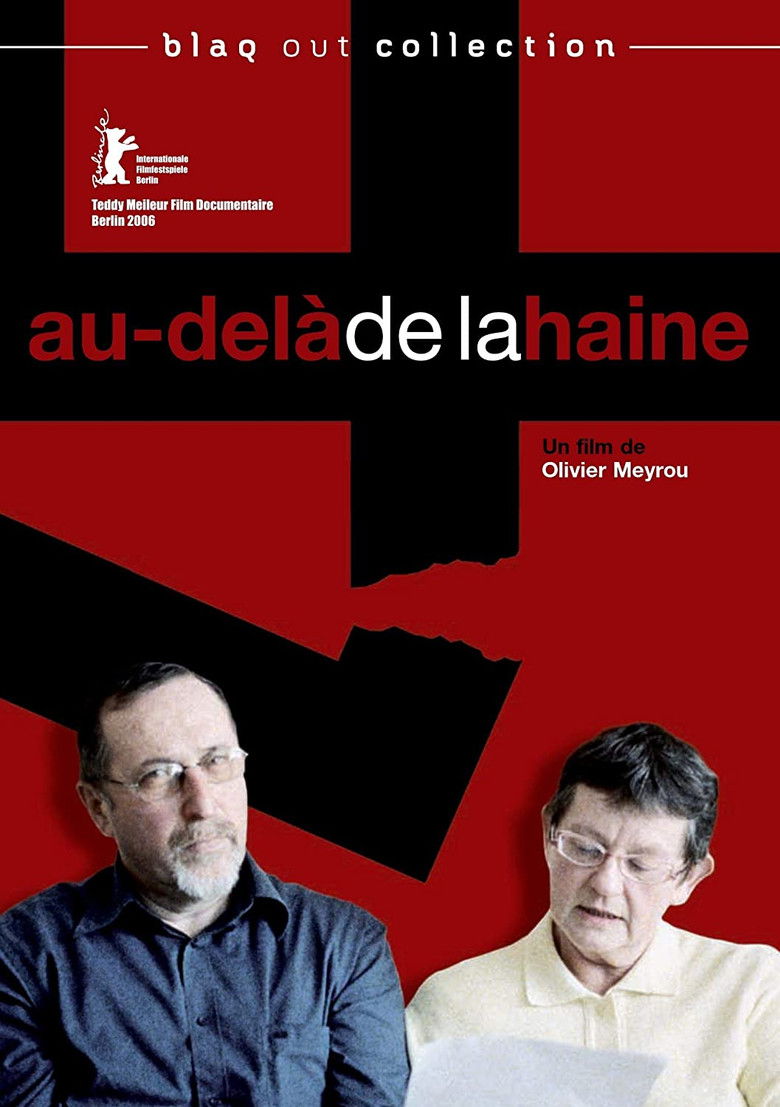
In this deeply moving, award-winning French documentary, a family reflects on the murder of their 29-year-old son and tries to move beyond feelings of hatred and revenge.
Overall Score
Fair
Category Breakdown
LGBTQ+ Representation
The film provides no evidence of LGBTQ+ characters or themes. The narrative focuses strictly on a specific familial tragedy.
Gender Representation
The film disrupts masculine archetypes by centering emotional vulnerability. It rejects traditional stoic responses to violence in favor of emotional intelligence.
Racial & Ethnic Diversity
The film's ethnic composition is not specified. The score reflects a baseline for European documentary realism within its local demographic context.
Religious & Cultural Diversity
The narrative critiques traditional judicial certainties by prioritizing subjective grief over punitive legal structures. It explores moral relativism through the lens of personal loss.
Disability Representation
The story explores the invisible psychological disabilities caused by profound trauma. It grants agency to those navigating the debilitating effects of bereavement.
Strengths
Areas for Improvement
AI Analysis
Beyond Hatred is a contemplative documentary that subverts the typical revenge trope found in crime narratives. It shifts the focus from external justice to the internal, psychological journey of a grieving family. The film's strength lies in its humanistic approach to trauma. By prioritizing emotional deconstruction over retributive justice, it offers a nuanced look at resilience and the complexities of moving past hatred. However, the film lacks explicit information regarding racial or LGBTQ+ representation. Its diversity is primarily found in its subversion of traditional gendered responses to violence and its focus on psychological states.
2015
2014

2018

2018
2010

2010
2014
2018
2003
1978

2024

2013
No reviews yet. Be the first to share your thoughts on this movie!
Use the rating form above to leave a star rating and optional review.