The Great Man
1956
No user ratings available yet
Diversity score: 2.4 out of 10
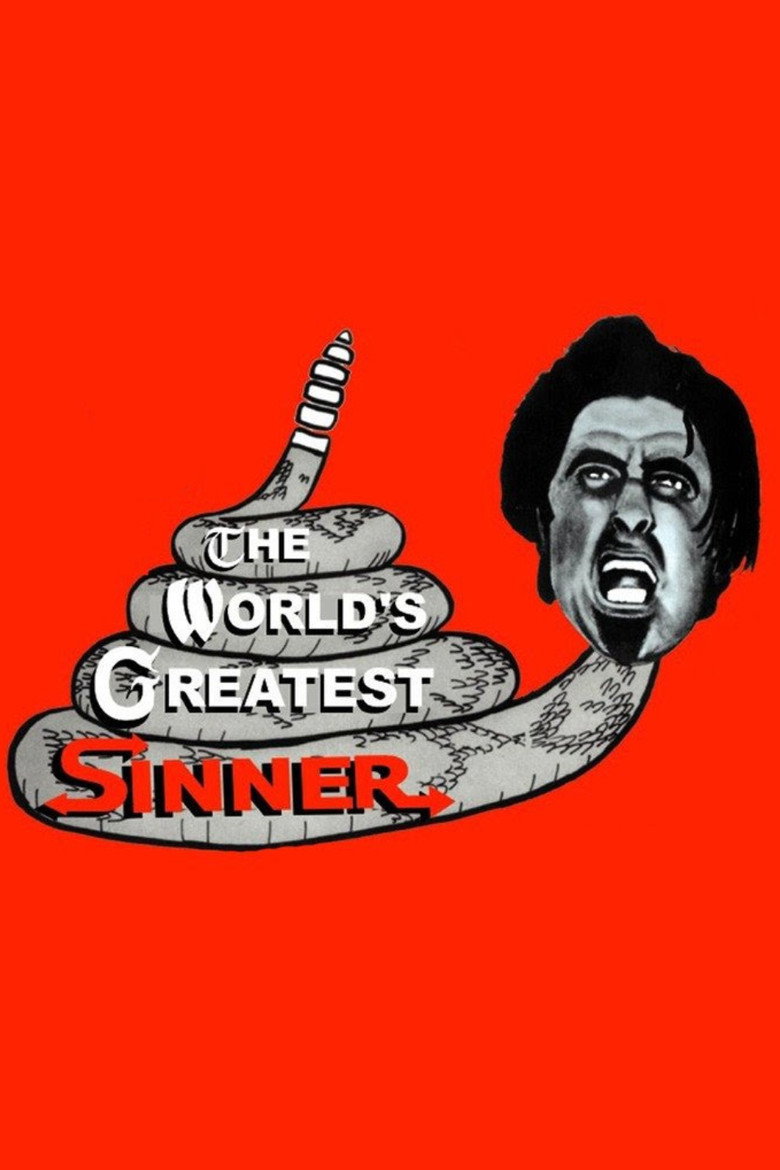
1962
Director
Timothy Carey
Runtime
77 minutes
Average Rating
No ratings yetSynopsis
A bored insurance salesman quits his job to go into politics. He first starts preaching about how man is greater than he thinks and that man can live forever. He ends up forming his own political party, "The Eternal Man" party. He begins to be referred to as "God". Then he starts having doubts about the eternalness of man.
Overall Score
Limited
Category Breakdown
LGBTQ+ Representation
The film centers on mid-century heteronormative social structures. There are no queer narratives or non-cisnormative identities present in the text.
Gender Representation
The narrative is heavily male-centric and adheres to 1960s gender hierarchies. Female characters lack independent agency, serving primarily as extensions of the male protagonist's environment.
Racial & Ethnic Diversity
The production features a largely homogeneous, white, mid-century American cast. The setting reflects a culturally uniform American town without diverse casting.
Religious & Cultural Diversity
The film offers a sophisticated critique of institutionalized religion. It deconstructs traditional religious authority by highlighting hypocrisy and the social pressure of communal dogma.
Disability Representation
There is no discernible focus on visible or invisible disabilities. No characters with disabilities appear to be used as plot devices.
Strengths
Areas for Improvement
AI Analysis
Timothy Carey’s film is a period-specific drama that mirrors the demographic and social hierarchies of 1962. It lacks meaningful representation regarding race, gender, and LGBTQ+ identity, resulting in a low overall score. However, the film finds strength in its thematic subversion. By critiquing the sanctity of traditional moral authorities and religious institutions, it provides a nuanced look at how dogma enforces social conformity. Ultimately, these intellectual disruptions are not paired with intersectional character development or a diverse cast, leaving the production firmly rooted in a traditionalist framework.
1956

1958
1953
1975
1964
1970
1968

1961
1966
1951
2006
1969
No reviews yet. Be the first to share your thoughts on this movie!
Use the rating form above to leave a star rating and optional review.