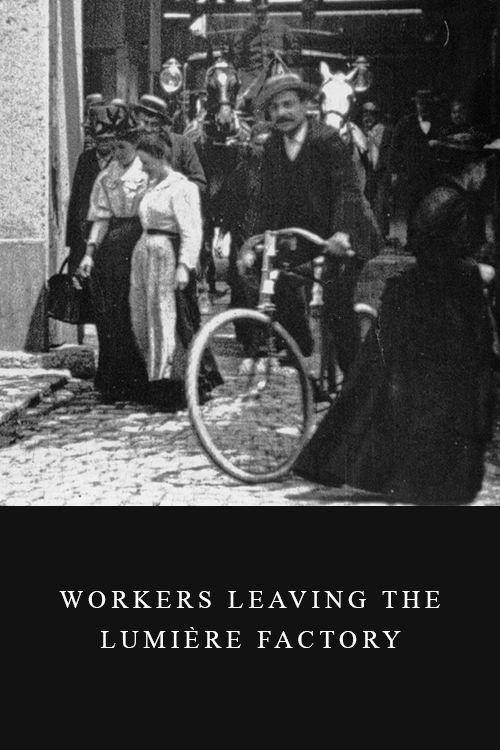
Workers Leaving the Lumière Factory
1895
No user ratings available yet
Representation score: 1.2 out of 10
Representation Score
Minimal
1896
Not RatedDirector
Louis Lumière, Auguste Lumière
Runtime
1 minutes
Average Rating
No ratings yetNew Showbiz Analysis
As an early *actualité*, this film serves as a historical document of technological capability rather than a vehicle for intentional narrative representation. It captures a specific moment in time through unscripted, observational footage. The lack of diversity is a result of the genre and the era. Since the film lacks character arcs, dialogue, or a structured plot, it does not provide the ability to act needed to challenge or reinforce social hierarchies. Ultimately, the work functions as a neutral observation of late 19th-century French life, adhering to the social and demographic norms of its period without subverting traditional patterns.
Category Breakdown
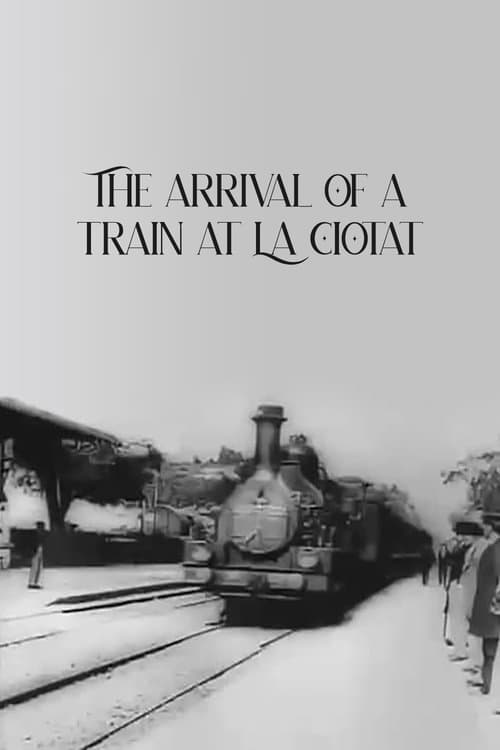
The film is a brief, observational documentary of a railway station. There is no depiction of LGBTQ+ identities or same-sex relationships.
Women appear in traditional, passive roles typical of the 19th century. They are shown as part of a collective crowd rather than as individuals with distinct personalities.
The footage depicts a homogeneous group of passengers in a French provincial setting. There is no visible racial diversity, reflecting the demographics of the time.
The film focuses on technological progress and industrial modernization. It does not engage with religious themes or critique traditional institutions.
The film contains no discernible depictions of individuals with physical, sensory, or neurodevelopmental disabilities. The subjects are shown as a generalized crowd of able-bodied people.
Present on Screen
Limited or Absent
Official Synopsis
A group of people are standing along the platform of a railway station in La Ciotat, waiting for a train. One is seen coming, at some distance, and eventually stops at the platform. Doors of the railway-cars open and attendants help passengers off and on. Popular legend has it that, when this film was shown, the first-night audience fled the café in terror, fearing being run over by the "approaching" train. This legend has since been identified as promotional embellishment, though there is evidence to suggest that people were astounded at the capabilities of the Lumières' cinématographe.
1895
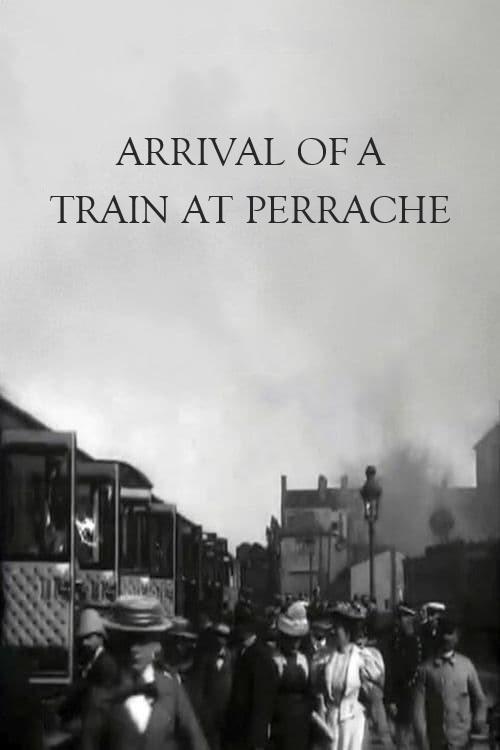
1896
1896

1896

1896

1896
1896
1898
No reviews yet. Be the first to share your thoughts on this movie!
Use the rating form above to leave a star rating and optional review.