Le retour, Place de l'Etoile
1899
No user ratings available yet
Representation score: 0.6 out of 10
Representation Score
Minimal
1896
Director
Louis Lumière, Auguste Lumière
Runtime
1 minutes
Average Rating
No ratings yetNew Showbiz Analysis
As a foundational documentary from 1896, this film serves as a raw observational record of a Berlin street scene. It captures spontaneous moments of life using the Lumière brothers' 'actualité' style. The film lacks narrative complexity, functioning instead as a historical artifact. Since it predates modern frameworks of identity politics, it offers a neutral observation of a structured, traditional society without intentional representation. Ultimately, the work reflects the social norms of the late 19th century. It provides a baseline for observational cinema but lacks the depth necessary to engage with modern multi-layered or progressive frameworks.
Category Breakdown
The film does not depict any non-binary or LGBTQ+ identities or intimate relationships between people of the same gender. Public interactions are limited to those typical of the time.
Women are present in the street scene, but they are shown mainly in traditional roles. The film reflects the era's division of public and private spaces.
The film depicts a predominantly white, European population. There is no indication of racial diversity or the presence of non-Western subjects.
The film captures elements of Western urban life. It does not challenge or promote secularism over religious norms.
There are no characters with visible or invisible disabilities portrayed with significant roles. Any depiction would likely be incidental rather than intentional.
Present on Screen
Limited or Absent
Official Synopsis
Pedestrian and vehicle traffic in front of the Panoptikum.
1899

1927
1896
1896
1896
1896
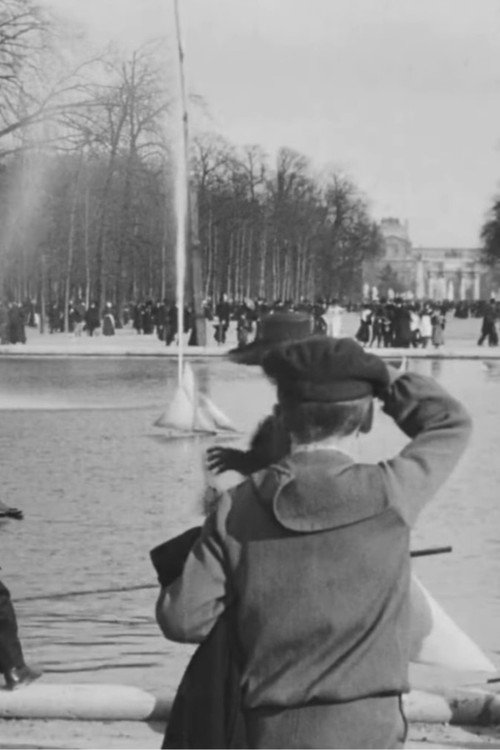
1896
1897
No reviews yet. Be the first to share your thoughts on this movie!
Use the rating form above to leave a star rating and optional review.