![Movie poster for Sortie d'usine, [III]](https://image.tmdb.org/t/p/w500/8OSetr1MdBXm7mCy9vTlVMW4zDE.jpg)
Sortie d'usine, [III]
1896
No user ratings available yet
Representation score: 1.2 out of 10
Representation Score
Minimal
1895
Not RatedDirector
Louis Lumière
Runtime
1 minutes
Average Rating
No ratings yetNew Showbiz Analysis
This early cinema film serves as a neutral observation of 19th-century industrial life. Without a constructed narrative, it cannot provide intentional character development or thematic challenges. The low diversity scores reflect the historical context and the film's role as a documentary snapshot. It captures a specific demographic of Lyon, France, without diverse identities or critical themes. Ultimately, the film upholds the traditional social and gender hierarchies of the 1890s without challenging them.
Category Breakdown
The film captures a working-class crowd without showing any non-binary gender identities or same-sex relationships.
Men in industrial clothing dominate the scene, while women are present but have no individual ability to act and appear as part of a group.
The subjects are mostly a homogeneous group of European workers. The film does not show a diverse ethnic mix, focusing instead on a specific local population.
The film offers a straightforward look at the industrial working class and early capitalism. It does not include an ideological critique or commentary on Western institutions.
There is no visible representation of disabilities. The subjects appear to be able-bodied workers leaving the factory.
Present on Screen
Limited or Absent
Official Synopsis
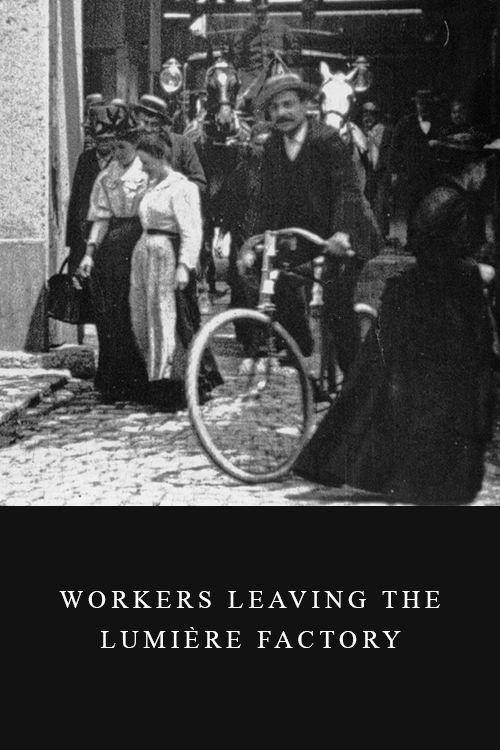
“The workers leave the Lumière factory.” Workers pass through the gate of the Lumière factory and are followed by a carriage drawn by two horses.
1896
1896
1896

1888

1896
1897
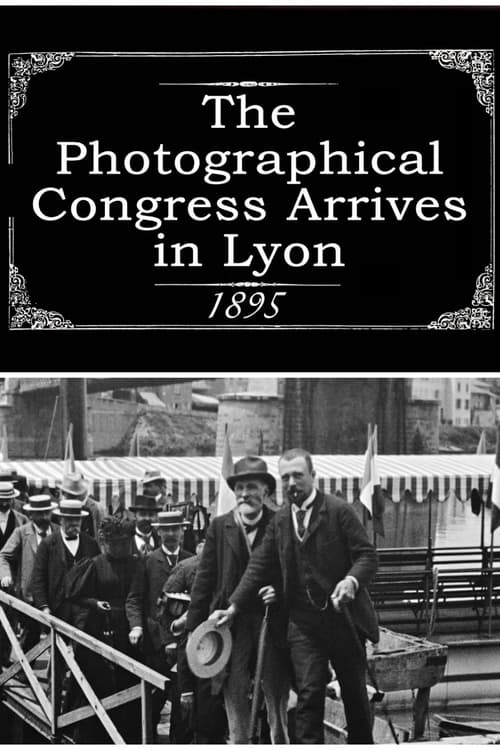
1895

1896
No reviews yet. Be the first to share your thoughts on this movie!
Use the rating form above to leave a star rating and optional review.