Easy Life
1944
No user ratings available yet
Representation score: 1.3 out of 10
Representation Score
Minimal
1945
ApprovedDirector
Walter Hart
Runtime
19 minutes
Average Rating
No ratings yetNew Showbiz Analysis
The film is a typical mid-century genre piece that prioritizes moralistic storytelling over social complexity. Its main goal is to reinforce traditional legal and social hierarchies through a didactic lens. Narrative elements center on individual criminal obsession and the inevitable downfall of the protagonist. This narrow focus results in a lack of diverse character development or perspectives. Ultimately, the work upholds 1940s studio standards, emphasizing conventional archetypes and the consequences of deviating from established social orders.
Category Breakdown
The film does not include any LGBTQ+ characters or stories that explore non-straight relationships. It follows traditional social norms typical of the 1940s crime genre.
The story focuses on male-driven criminal activities and the consequences of ambition. Women are shown only in traditional supporting roles, such as being a domestic anchor or a victim, which reinforces existing gender hierarchies.
The production reflects the homogeneous casting practices of the mid-century era. The character-driven focus on a single criminal's obsession suggests a lack of racial or ethnic diversity.
The story operates as a traditional Western cautionary tale. It promotes a singular, justice-oriented morality that supports legal institutions and social stability.
There is no mention of characters with visible or invisible disabilities in this production.
Present on Screen
Limited or Absent
Official Synopsis
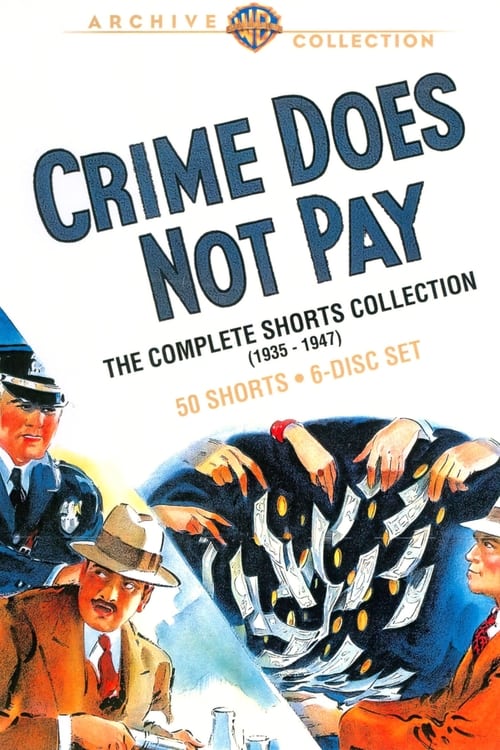
In this MGM Crime Does Not Pay series short, a criminal idolizes the life of a famous gangster - unaware that his hero met a tragic end.
1944
1931
1947
1962
1940
1945
1941
1937
No reviews yet. Be the first to share your thoughts on this movie!
Use the rating form above to leave a star rating and optional review.