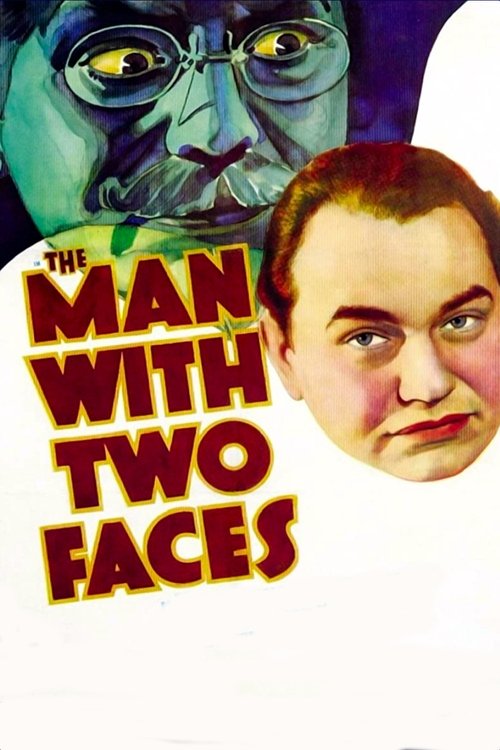
The Man with Two Faces
1934
No user ratings available yet
Diversity score: 2.2 out of 10
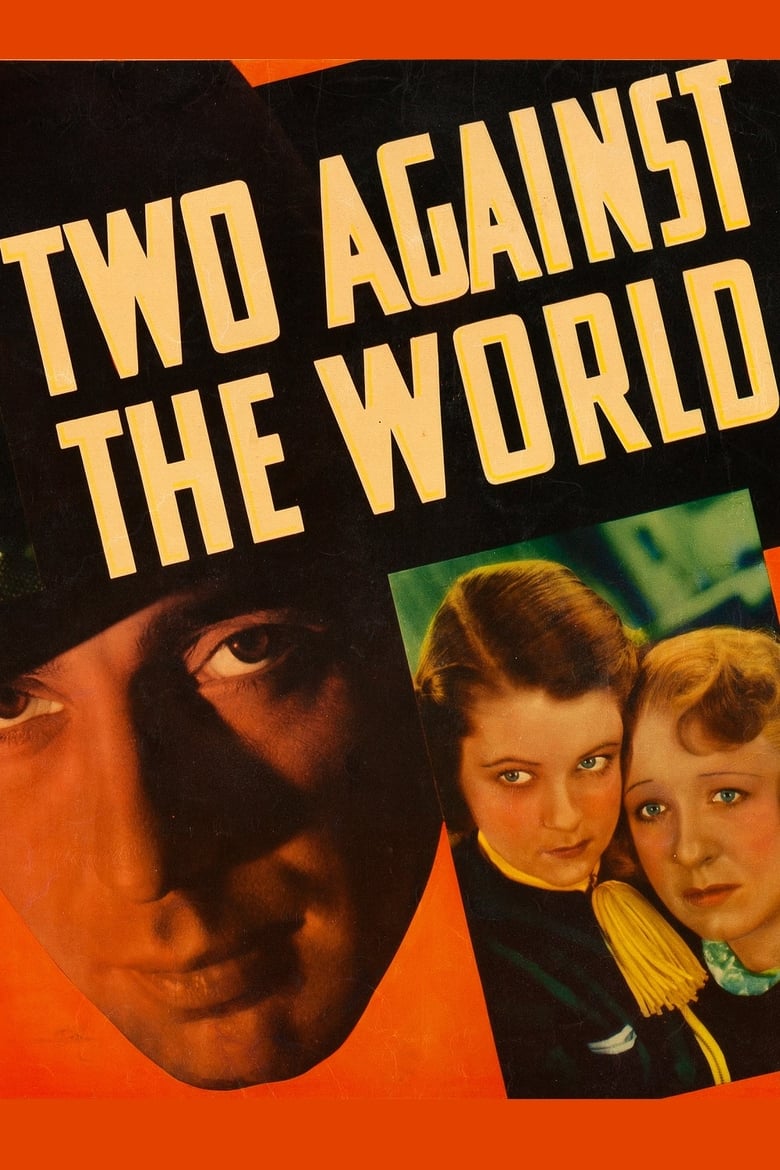
1936
NRDirector
William C. McGann
Runtime
64 minutes
Average Rating
No ratings yetSynopsis
Searching for ratings at any cost, an unscrupulous radio-network owner forces his program manager to air a serial based on a past murder, tormenting a woman involved.
Overall Score
Minimal
Category Breakdown
LGBTQ+ Representation
The film lacks any visible LGBTQ+ characters or narratives. It adheres to the strict social norms and censorship standards of 1936, focusing instead on traditional romantic or familial dynamics.
Gender Representation
The story centers on a patriarchal power struggle between a male authority figure and a female victim. The female character's agency remains largely reactive to the male protagonist's actions.
Racial & Ethnic Diversity
The production reflects the homogeneous casting practices of the 1930s. It depicts white, Western protagonists as the default norm without evidence of diverse ethnic representation.
Religious & Cultural Diversity
The narrative functions as a cautionary tale regarding individual greed and morality. It operates within established social orders rather than challenging Western institutions or traditional values.
Disability Representation
There is no mention of characters with visible or invisible disabilities. The synopsis provides no evidence that disability plays a role in the story.
Strengths
Areas for Improvement
AI Analysis
Two Against the World is a product of the 1930s studio system, prioritizing genre-driven storytelling over social subversion. The plot focuses on a professional conflict involving an unscrupulous radio owner, which keeps the narrative centered on individual morality rather than systemic identity issues. The film reinforces the era's traditional hierarchies. Power is concentrated in male characters, and the social framework remains largely unchallenged, reflecting the standard cinematic norms of the Golden Age.
1934

1934
1935
1940
1947
1931
1934
1931
1939

1934
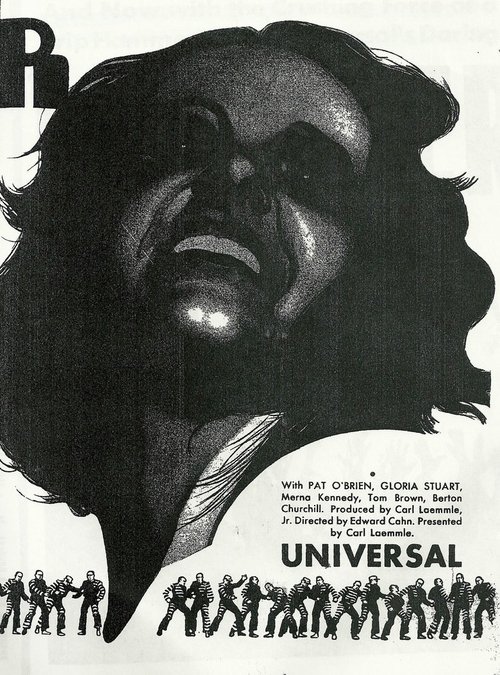
1933
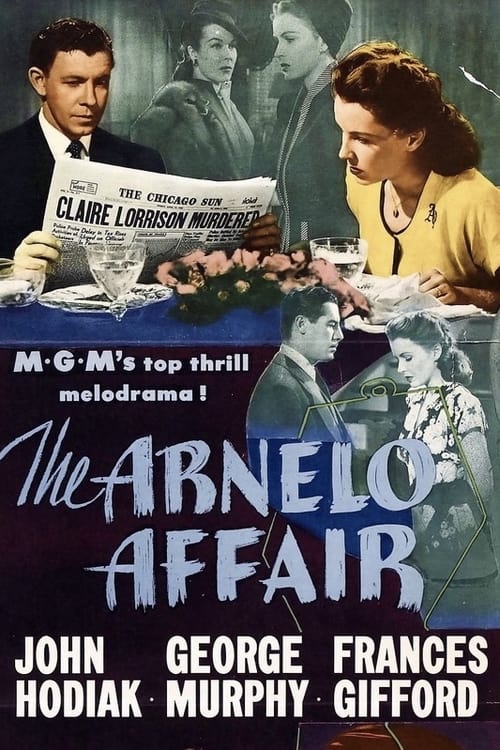
1947
No reviews yet. Be the first to share your thoughts on this movie!
Use the rating form above to leave a star rating and optional review.