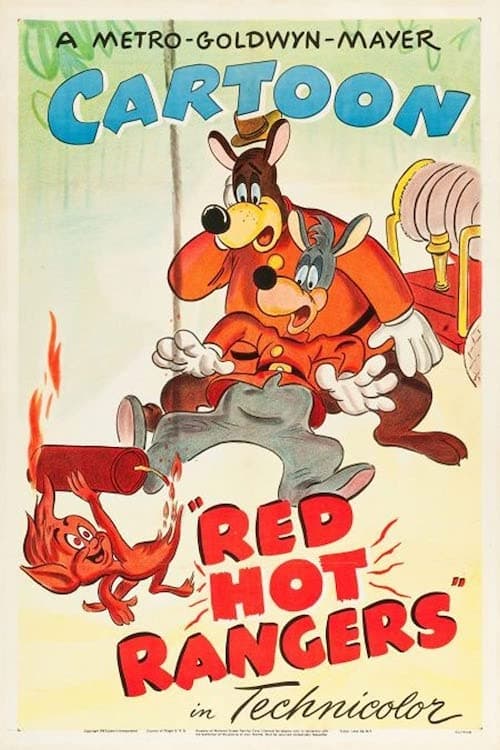
Red Hot Rangers
1947
No user ratings available yet
Diversity score: 2.8 out of 10
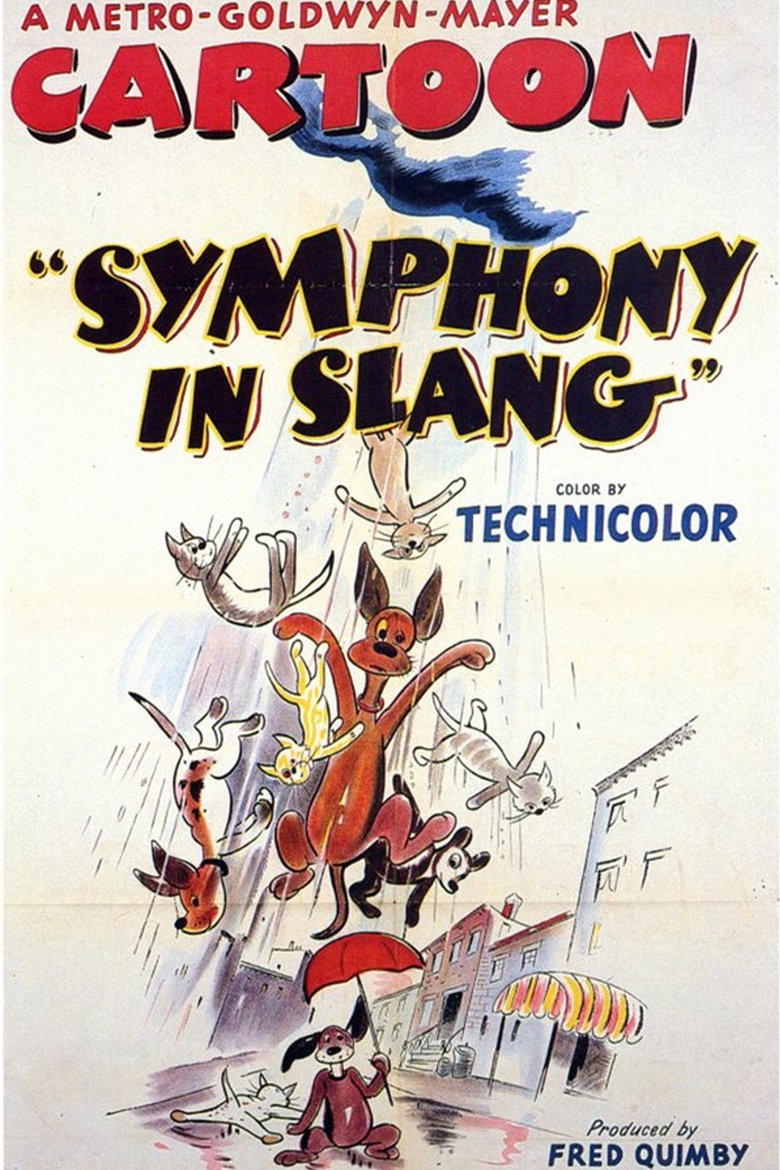
1951
ApprovedDirector
Tex Avery
Runtime
7 minutes
Average Rating
No ratings yetSynopsis
At the gates of Heaven, the admitting officials have a hard time understanding a newcomer's life story with all his contemporary slang.
Overall Score
Limited
Category Breakdown
LGBTQ+ Representation
The film lacks any evidence of non-cisnormative identities or same-sex intimacy. The focus remains on linguistic evolution rather than queer themes.
Gender Representation
Character dynamics appear to follow traditional gender hierarchies typical of the era. There is no indication of subverting masculine leadership or intellectual femininity.
Racial & Ethnic Diversity
The setting utilizes a traditional Western theological construct. The cast likely reflects the homogeneous demographic standards of the early 1950s.
Religious & Cultural Diversity
A comedic tension exists between modern slang and religious authority. This provides a light deconstruction of institutional rigidity through linguistic friction.
Disability Representation
There is no evidence of characters with visible or invisible disabilities within the narrative.
Strengths
Areas for Improvement
AI Analysis
Symphony in Slang is a period-specific comedic study centered on the friction between contemporary vernacular and the formal language of the afterlife. While the film avoids active promotion of harmful stereotypes through its musical-parody format, it remains tethered to conventional mid-century structural norms. The narrative lacks intentional intersectional complexity. It functions primarily as a study of linguistic shifts rather than a vehicle for social or identity-based representation. Ultimately, the work reflects the homogeneous demographic and theological standards of 1951 animation, offering little disruption to established Western hierarchies.
1947
1945
1949
1947

1941
1955
1951
1946

1941
1936

1941
1948
No reviews yet. Be the first to share your thoughts on this movie!
Use the rating form above to leave a star rating and optional review.