Porky the Fireman
1938
No user ratings available yet
Representation score: 1.6 out of 10
Representation Score
Minimal
1947
NRDirector
Tex Avery
Runtime
8 minutes
Average Rating
No ratings yetNew Showbiz Analysis
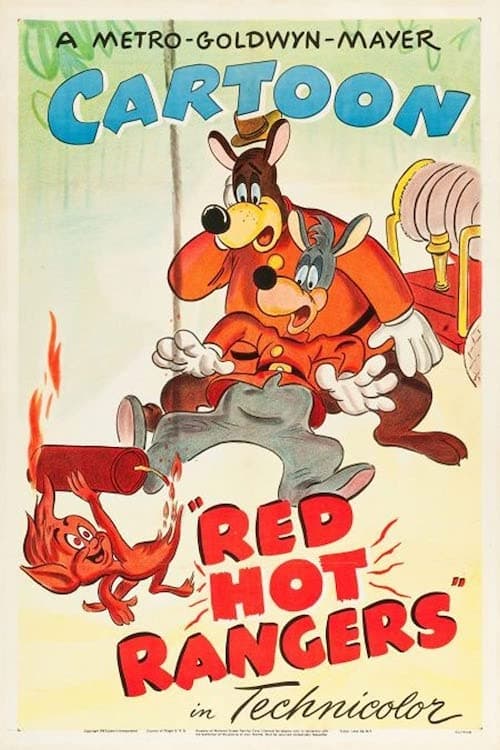
Red Hot Rangers serves as a quintessential example of mid-century comedic animation. The film relies on established character archetypes and traditional social structures typical of the 1947 era. The narrative lacks demographic breadth, focusing instead on a localized, conventional setting. It reinforces existing power hierarchies and institutional norms rather than challenging them. While the work showcases Tex Avery's signature surrealism and disruption of narrative logic, it does not extend that subversion to the representation of diverse identities.
Category Breakdown
The film focuses on a comedic interaction between two forest rangers. There is no evidence of queer subtext or non-cisgender identities present in the narrative.
The story centers on a male-dominated professional setting. It adheres to traditional 1940s gendered labor roles without featuring female characters or subverting masculine hierarchies.
The setting follows a standard mid-century American framework. There is no indication of a diverse cast or the use of metaphors to explore racial themes.
The narrative reinforces mid-century values of civic duty and institutional stability. It depicts forest rangers tasked with maintaining order and protecting natural resources.
There is no information available regarding the depiction of physical or neurodivergent traits in this work.
Present on Screen
Limited or Absent
Official Synopsis
Forest rangers George and Junior try to snuff out a frisky flame with a sparky personality that threatens to set the forest alight.
1938
1947
1945
1952
1944
1954
1944
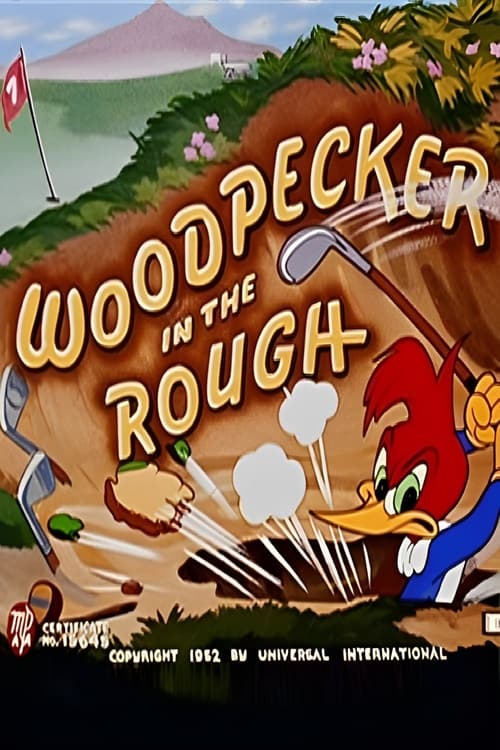
1952
No reviews yet. Be the first to share your thoughts on this movie!
Use the rating form above to leave a star rating and optional review.