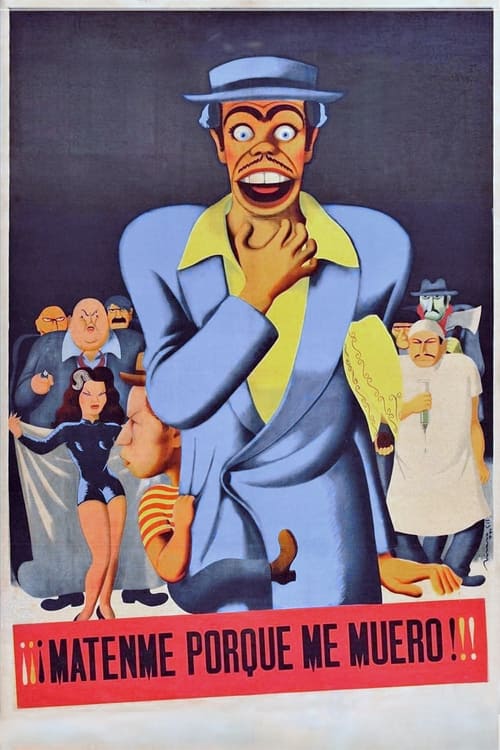
Kill Me Because I'm Dying!!!
1951
No user ratings available yet
Representation score: 4.9 out of 10

Representation Score
Fair
1937
Director
Miguel Contreras Torres
Runtime
90 minutes
Average Rating
No ratings yetNew Showbiz Analysis
No te engañes corazón is a historical milestone capturing the emergence of Cantinflas and the early collaboration of Sara García and Carlos Orellana. It functions as a star-driven comedy rooted in the social realities of 1930s Mexico. While the film offers a culturally specific narrative that centers Mexican identity, its representation remains bound by the era's traditional frameworks. The narrative relies on conventional gender roles and uses medical themes as mere catalysts for comedic irony rather than nuanced character studies. Ultimately, the film is a significant cultural artifact of the Mexican Golden Age, though it lacks the multi-layered depth found in modern cinema.
Category Breakdown
The film does not include any LGBTQ+ characters or stories. It follows the traditional social structures of 1930s Mexican cinema, focusing on a conventional marital unit.
While starring actors like Sara García, the plot is driven by the male protagonist's crisis. Female roles tend to follow traditional domesticity within the narrative structure.
The film centers Mexican identity and social realities, moving away from Hollywood-centric norms. It features a predominantly non-Anglo-Saxon cast typical of the era.
The story explores morality and systemic corruption through medical fraud and fate. It uses traditional comedic clichés rather than a deep critique of social structures.
A terminal diagnosis serves as a plot device to trigger the protagonist's journey. The revelation of medical fraud uses illness primarily for narrative irony.
Present on Screen
Limited or Absent
Official Synopsis
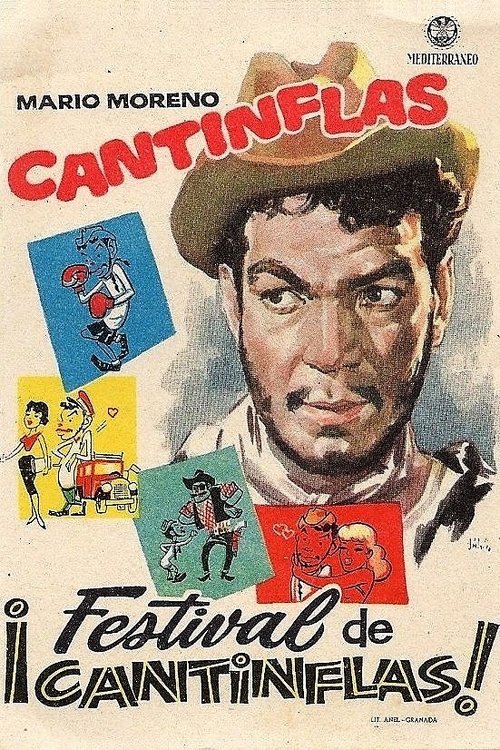
No te engañes corazón (released in English as Don't Fool Yourself Dear) is the first full-feature film of Cantinflas after becoming a star of the carpa circuit (folk theater). It was also one of the earliest films of Sara García and Carlos Orellana and the first where they share the screen. Don Boni (Orellana) is diagnosed with a deadly disease and decides to spend his last days doing good deeds. He leaves his wife and decides to help people. He then gets drunk and wakes up with a winning lottery ticket and realizes that the doctor who diagnosed him has been sent to prison for fraud.
1951
1959
1953

1957
1939

1950
1943

1939
No reviews yet. Be the first to share your thoughts on this movie!
Use the rating form above to leave a star rating and optional review.