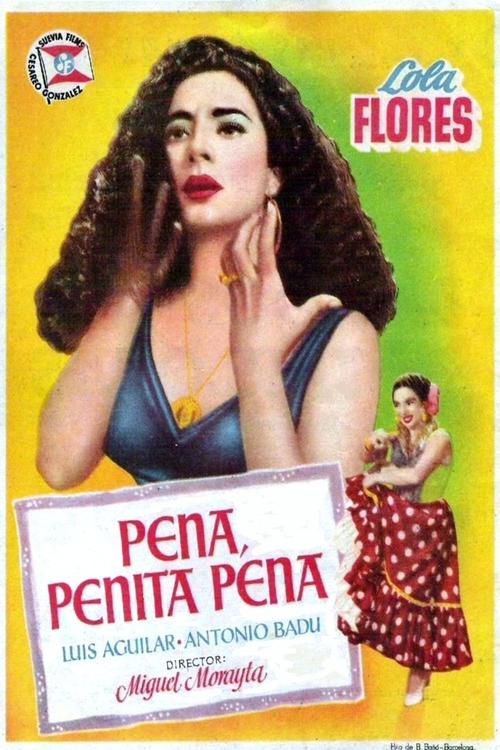
Oh Pain, Little Pain, Pain!
1953
No user ratings available yet
Representation score: 3.5 out of 10
Representation Score
Fair
1951
Not RatedDirector
Ismael Rodríguez
Runtime
99 minutes
Average Rating
No ratings yetNew Showbiz Analysis
This film is a reflection of the Golden Age of Mexican cinema, showcasing cultural relevance through its Mexican setting and the performance of Tin Tan. However, it leans heavily on traditional narrative structures. Medical themes serve as tools for situational humor rather than deep exploration, avoiding authentic portrayals of underrepresented experiences.
Category Breakdown
The film follows the social norms of 1951 and does not depict same-sex relationships or non-traditional gender identities.
Female characters play key roles through manipulation, but their influence is limited to domestic and interpersonal conflicts. Traditional gender roles dominate the story.
The film focuses on Mexican identity and social realities, offering a break from Anglo-centric narratives. However, it does not delve into the complexities of mixed racial backgrounds.
The story examines the tension between community service and personal greed. It navigates ethical dilemmas without criticizing Western institutions or promoting secular values.
A terminal illness is used as a dark comedic device for manipulation. The narrative does not authentically represent living with a medical condition.
Present on Screen
Limited or Absent
Official Synopsis
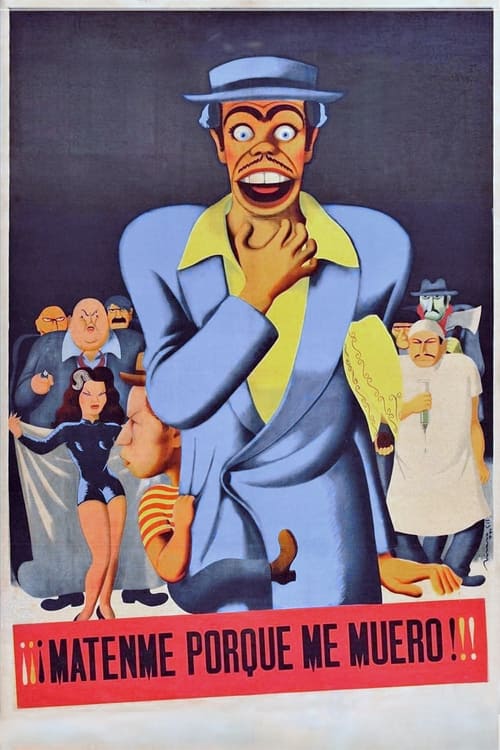
Tin Tan just won the lottery and wants to donate it to an orphanage. Sataela and Riverita want to keep the money for themselves. In an attenpt to do so, they convince him of having a terminal disease and suggest that committing suicide is his best option.
1953
1953
1985
1951
1961
1959

1937
1990
No reviews yet. Be the first to share your thoughts on this movie!
Use the rating form above to leave a star rating and optional review.