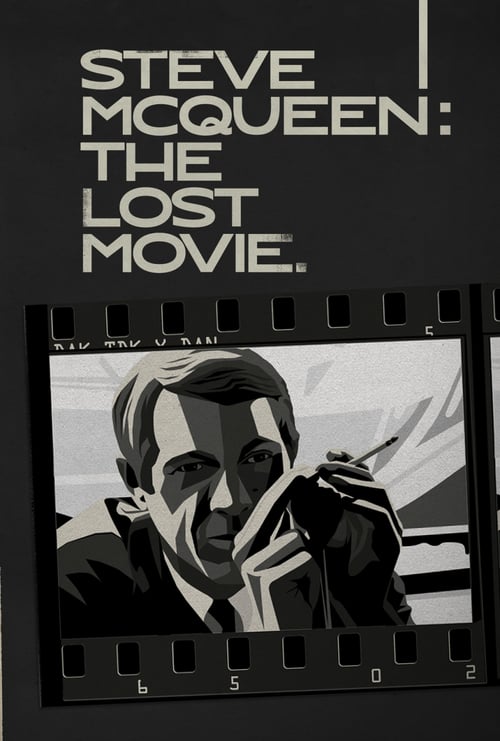
Steve McQueen: The Lost Movie
2021
No user ratings available yet
Diversity score: 2.3 out of 10
2015
TV-MADirector
John McKenna, Gabriel Clarke
Runtime
102 minutes
Average Rating
No ratings yetSynopsis
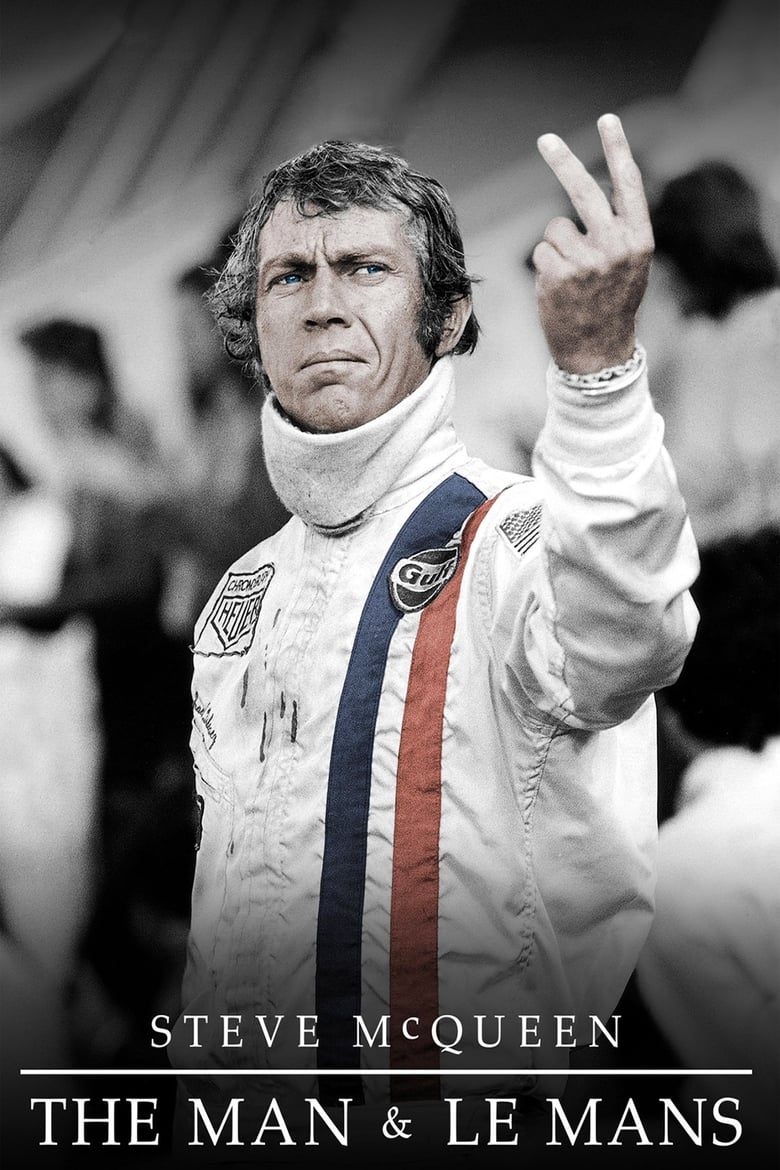
Steve McQueen: The Man & Le Mans interweaves stunning newly discovered footage and voice recordings with original interviews. It is the true story of how a cinema legend would risk almost everything in pursuit of his dream.
Overall Score
Minimal
Category Breakdown
LGBTQ+ Representation
The film maintains a strictly biographical focus on the mid-20th-century racing circuit. There are no LGBTQ+ characters or narratives addressing non-cisnormative identities within the archival material.
Gender Representation
The documentary reflects the male-dominated professional racing world of the 1960s and 70s. It focuses on masculine pursuits of speed and lacks significant female agency or subversion of gender hierarchies.
Racial & Ethnic Diversity
The subject matter centers on a predominantly white, Anglo-Saxon cohort of drivers. The film functions as a period-specific chronicle of a historically homogeneous professional environment.
Religious & Cultural Diversity
The narrative celebrates the individualistic pursuit of excellence and high-socioeconomic lifestyles. It does not engage in critiques of Western institutions or anti-traditionalist narratives.
Disability Representation
There is no discernible focus on neurodivergence, physical disabilities, or mental health conditions. These elements are absent from the primary narrative arc and interviews.
Strengths
Areas for Improvement
AI Analysis
This documentary serves as a historical time capsule, prioritizing the preservation of a specific era's social landscape. Because it centers on the biographical exploration of Steve McQueen and the 1960s racing circuit, the representation is inherently limited by the homogeneity of that period. The film accurately depicts the era's social constraints, particularly the lack of gender and racial diversity in professional motorsport. It does not attempt to subvert these historical realities, instead opting for a meritocratic focus on the protagonist's legacy. Ultimately, the low diversity scores reflect the film's adherence to historical context rather than a lack of cinematic quality. It remains a specialized study of a specific, narrow professional culture.
2021

1971

2008

2014

2016

2008

2018
1975

2017
2010

2018
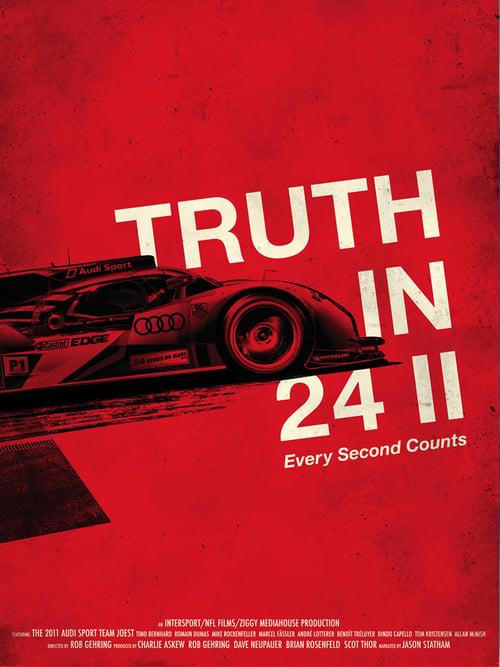
2012
No reviews yet. Be the first to share your thoughts on this movie!
Use the rating form above to leave a star rating and optional review.