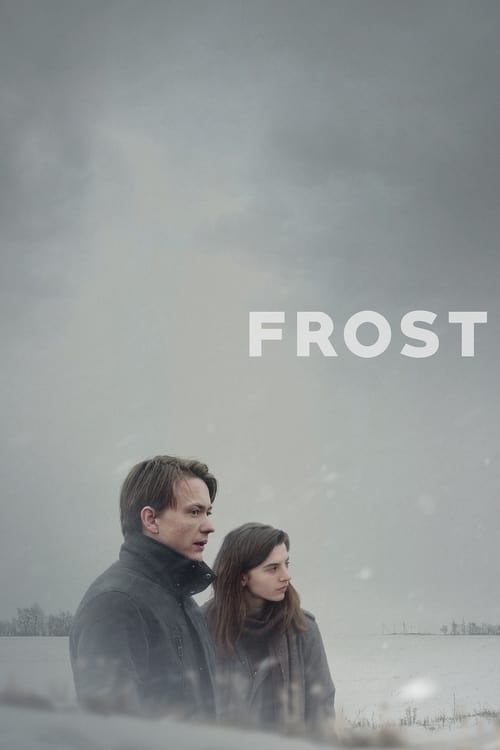
Frost
2017
No user ratings available yet
Representation score: 5.6 out of 10

Representation Score
Good
2019
Director
Daria Onyshchenko
Runtime
105 minutes
Average Rating
No ratings yetNew Showbiz Analysis
The film focuses on resistance against systemic erasure within a geopolitical conflict zone. It succeeds in subverting traditional power dynamics by centering women's ability to drive the story and the defense of ethnic identity. By framing state institutions as antagonists to individual autonomy, the narrative aligns with progressive themes of challenging institutional hegemony. The protagonists represent the struggle for cultural survival against forced assimilation. However, the film's scope is narrow. While it excels in cultural and gendered ability to act, it lacks representation for LGBTQ+ identities and characters with disabilities, focusing instead on a specific sociopolitical struggle.
Category Breakdown
The film does not explicitly depict LGBTQ+ identities or relationships outside of straight-centered structures. Its focus is on the sociopolitical struggle for national identity and survival.
Nina plays a significant role in driving the story with her intellect and courage, defying an occupying force to protect a student. She challenges traditional hierarchies and embodies moral resistance.
The story centers on preserving Ukrainian linguistic and ethnic identity. It highlights the struggle for sovereignty against a dominant, occupying cultural force.
The film critiques systemic corruption and oppressive state institutions, prioritizing the truth of occupied subjects over monolithic, state-imposed morality.
There are no prominent characters identified with visible or invisible disabilities. No specific data is available to assess representation in this category.
Present on Screen
Limited or Absent
Official Synopsis
Nina, 30, a Ukrainian language teacher who can't leave the city of Luhansk, occupied by separatists in Eastern Ukraine, is forced to undergo retraining courses for teaching Russian. Andrii, 17, is a student who was orphaned in the aftermath of the war. They cross paths when Nina witnesses Andrii being arrested by the police after hanging the Ukrainian flag from the roof of his school. Nina knows that because they live in a world of injustice and lies Andrii can stay in jail for a long time, and she risks her life to free him. As they gravitate towards each other, they try to remind people in the occupied territories that they deserve a future, too.
2017
2018
2017

2023
2023
2018
2024
2019
No reviews yet. Be the first to share your thoughts on this movie!
Use the rating form above to leave a star rating and optional review.