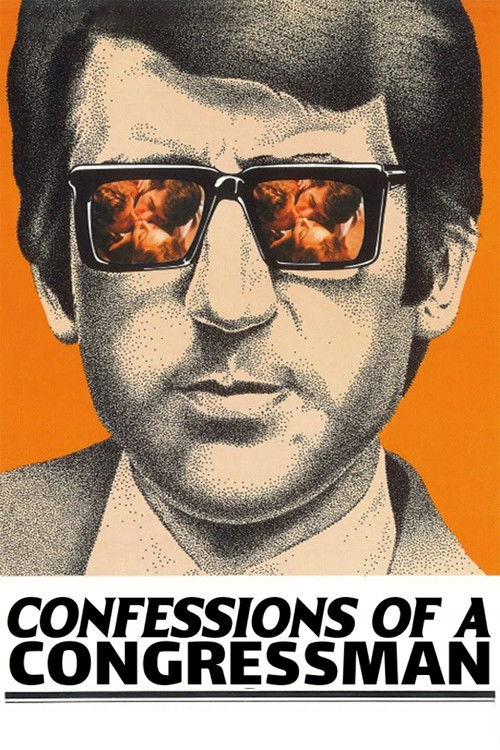
Confessions of a Congressman
1978
No user ratings available yet
Diversity score: 7.1 out of 10

2017
Director
Agustí Villaronga
Runtime
115 minutes
Average Rating
No ratings yetSynopsis
Front of Aragon, 1937. Lluís, a young republican officer destined for a temporarily dormant position, meets an enigmatic widow of whom she falls in love, Carlana, who manages to fool him to falsify a Document that makes it the lady of the region. The best friend of Lluís, the Soleràs, a degraded officer, discovers the fraud and, in exchange for not exposing him, he demands that he move away from the bombings of Barcelona his son and his wife, from whom he is Secretly in love When Trini arrives at the town, it does not take long to discover the betrayal of Lluís and establishes between them two a "state of war" that will make all moral bases stagger.
Overall Score
Good
Category Breakdown
LGBTQ+ Representation
The film centers on queer identities and the tension of repressed desire. Homoerotic themes drive the plot, offering a nuanced critique of the repressive environments that necessitate such secrecy.
Gender Representation
The narrative subverts traditional hierarchies by exploring the breakdown of masculine authority. It focuses on the psychological costs of rigid masculinity within hyper-masculine spaces.
Racial & Ethnic Diversity
Set during the Spanish Civil War, the film features a relatively homogeneous cast. There is a lack of diverse ethnic or racial representation within the primary character arcs.
Religious & Cultural Diversity
The film critiques traditionalist, conservative structures by framing character transgressions as products of a repressive social order. It challenges the singular morality of religious and state institutions.
Disability Representation
There are no prominent depictions of visible or invisible disabilities that serve as central narrative drivers.
Strengths
Areas for Improvement
AI Analysis
Uncertain Glory is a visceral exploration of identity that prioritizes the deconstruction of social and sexual hierarchies. It excels at using character agency to challenge the repressive frameworks of its historical setting, particularly through its sophisticated handling of queer themes and institutional critique. However, the film's demographic scope is limited by its historical context. The lack of racial and ethnic diversity prevents a more intersectional perspective, keeping the narrative focused on a specific, homogeneous social group. Ultimately, the film succeeds as a psychological study. It trades broad demographic representation for a deep, intentional subversion of heteronormativity and traditionalist power structures.
1978

2017

2025

2010

1983

1993

2016
1978

2012

2000

2015

2016
No reviews yet. Be the first to share your thoughts on this movie!
Use the rating form above to leave a star rating and optional review.