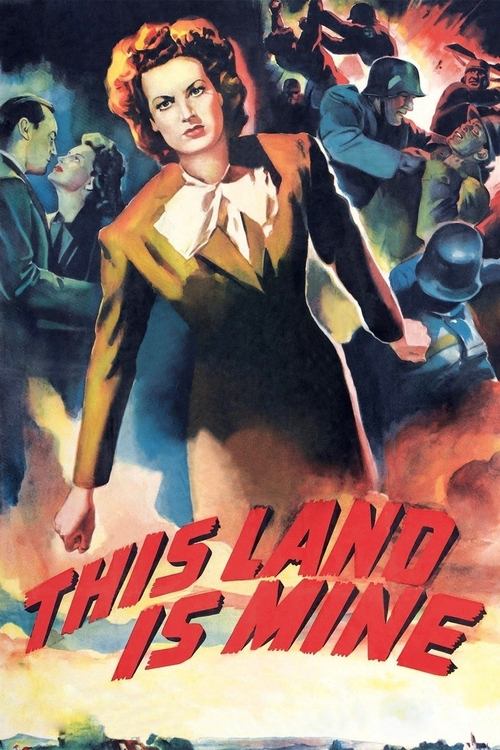
This Land Is Mine
1943
No user ratings available yet
Representation score: 1.4 out of 10

Representation Score
Fair
1966
Not RatedDirector
Andrew Mollo, Kevin Brownlow
Runtime
101 minutes
Average Rating
No ratings yetNew Showbiz Analysis
It Happened Here is a pioneering work of speculative realism that prioritizes the deconstruction of political power over demographic representation. Using a pseudo-documentary style, it explores the mechanisms of occupation and the moral complexities of resistance. While the film lacks diversity in terms of race, gender, and LGBTQ+ identities, it excels in its cultural critique of totalitarianism. Ultimately, it serves as a focused study of British resistance, emphasizing historical realism and the psychological impact of systemic oppression.
Category Breakdown
The film does not include any LGBTQ+ characters or same-sex relationships. The storyline centers on the practical and emotional challenges of wartime.
The narrative emphasizes male-dominated guerrilla warfare structures. Women are shown within the context of the time period, rather than as agents challenging traditional gender roles.
The cast is predominantly white, reflecting the demographics of 1940s Britain. There is no indication of actors playing characters from different ethnic backgrounds.
The film effectively critiques how totalitarianism can manipulate and corrupt traditional Western institutions. It challenges patriotic clichés by depicting the collapse of British governance and authority.
There are no characters with visible or hidden disabilities. The plot focuses on the physical and mental resilience needed for covert resistance efforts.
Present on Screen
Limited or Absent
Official Synopsis
World War II, 1940. When the Nazi hordes invade and occupy Great Britain, the English citizens are soon divided between those who choose to submissively collaborate and those who are willing to fight.
1943

1977

1943

1966
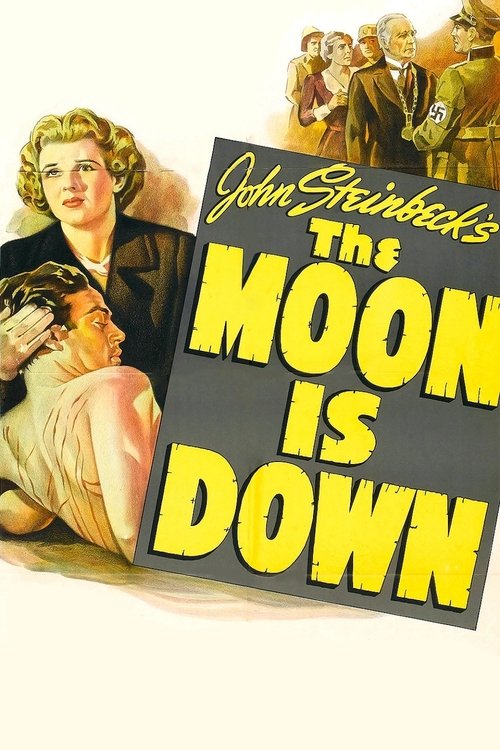
1943

1943
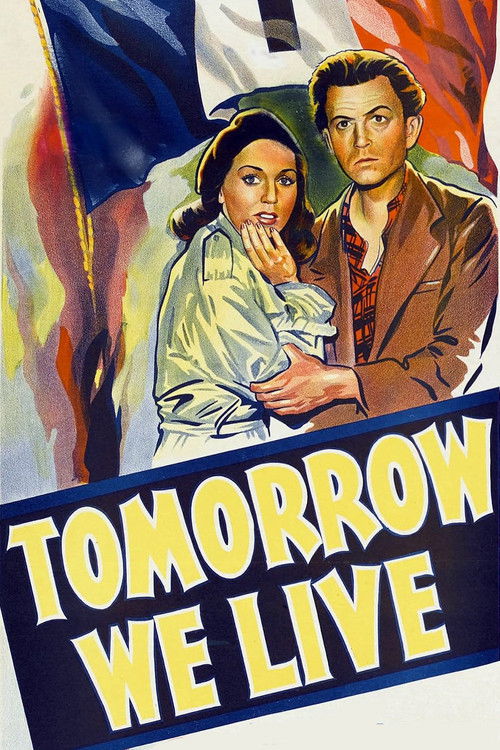
1943
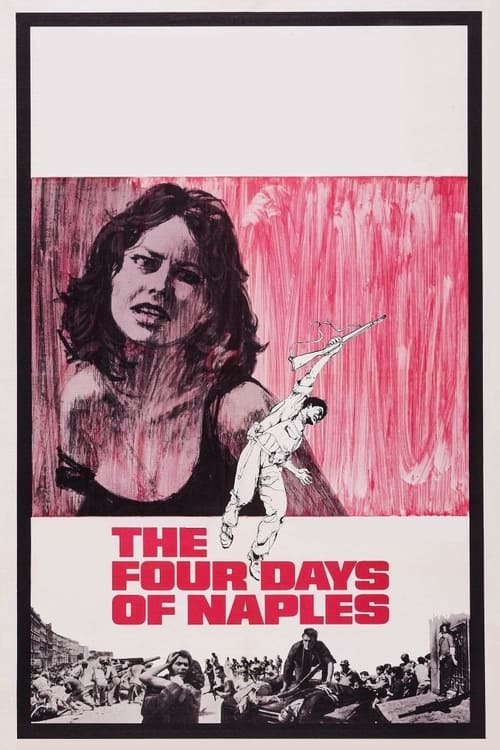
1962
No reviews yet. Be the first to share your thoughts on this movie!
Use the rating form above to leave a star rating and optional review.