
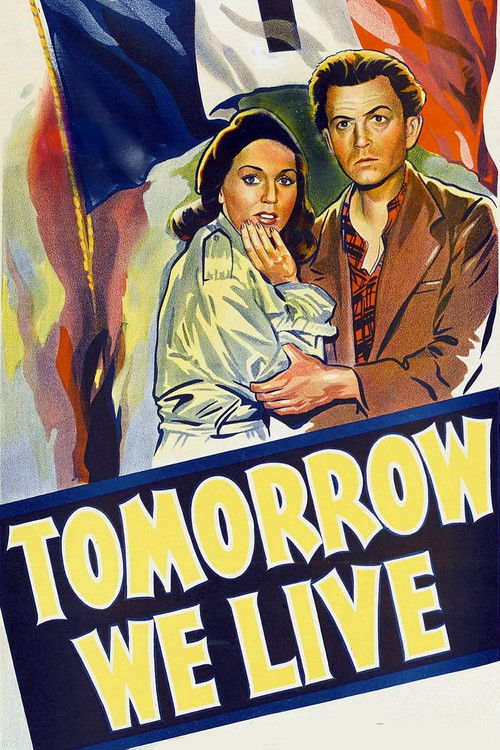
Tonight We Raid Calais
1943
No user ratings available yet
Representation score: 0.6 out of 10
Representation Score
Limited
1943
ApprovedDirector
George King
Runtime
87 minutes
Average Rating
No ratings yetNew Showbiz Analysis
Tomorrow We Live is a wartime drama centered on national survival and resistance. Its structure reinforces the unity of the Allied cause during World War II. The film adheres to the sociopolitical constraints of 1943, emphasizing clear moral distinctions and nationalistic cohesion. Consequently, it does not explore diverse identities or modern social structures. Ultimately, it reflects the conventional cinematic clichés of its time, focusing on the struggle against totalitarianism through a traditional lens.
Category Breakdown
The film focuses on the high-stakes survival of the French Resistance. There is no depiction of LGBTQ+ identities or same-sex relationships.
Women are often portrayed through traditional feminine roles or as supporters to male combatants. The film upholds traditional wartime gender dynamics.
The cast is mainly white and European, reflecting the setting of occupied France. It highlights Anglo-French cooperation without showcasing a diverse range of races.
The film frames morality around the distinction between liberators and oppressors. It emphasizes patriotism and the defense of national sovereignty.
Physical injuries are used primarily as plot devices to highlight combat brutality. There is no depiction of characters with neurodivergence or complex invisible disabilities.
Present on Screen
Limited or Absent
Official Synopsis
British World War II film set in occupied France, portraying the activities of members of the French Resistance and the Nazi tactic of taking and shooting innocent hostages in reprisal for acts of sabotage. The opening credits acknowledge "the official co-operation of General de Gaulle and the French National Committee". It was released as "At Dawn We Die" in the US.
1943

1966

1943

1969
1957

1943
1951
1965
No reviews yet. Be the first to share your thoughts on this movie!
Use the rating form above to leave a star rating and optional review.