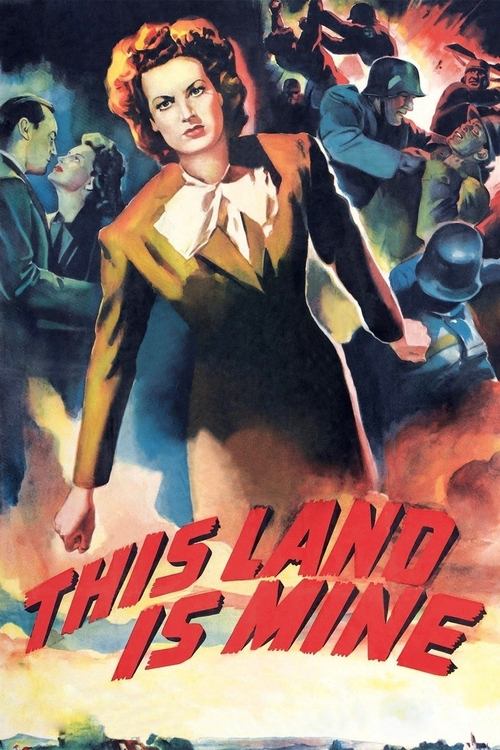
This Land Is Mine
1943
No user ratings available yet
Representation score: 1.4 out of 10
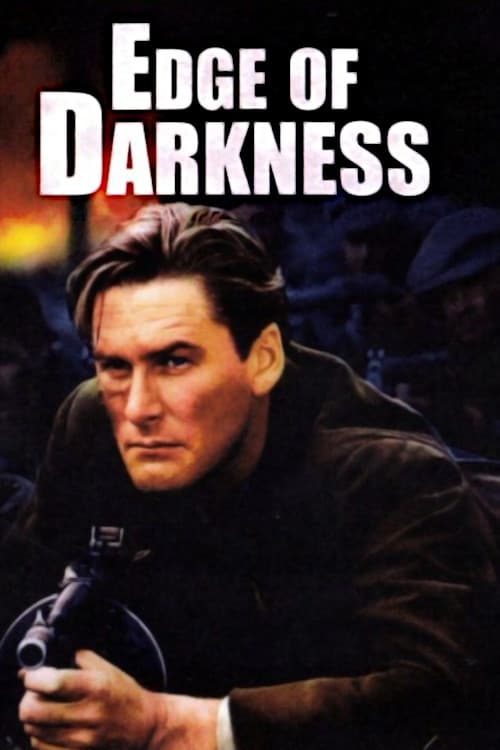
Representation Score
Limited
1943
ApprovedDirector
Lewis Milestone
Runtime
119 minutes
Average Rating
No ratings yetNew Showbiz Analysis
Edge of Darkness focuses on the psychological and ethical dilemmas of wartime occupation, emphasizing the breakdown of social order under oppressive systems. The film does not prioritize contemporary demographic diversity. Instead, it centers on the moral decay caused by external political pressures, which disrupt traditional family hierarchies. However, it remains within the cultural and racial boundaries of its historical setting.
Category Breakdown
The film does not depict any non-straight or non-cisgender identities. Relationships and family structures are centered around heterosexual couples.
Female characters offer a nuanced challenge to traditional gender roles. Some maintain traditional roles, while others like Karen take active, independent roles in the resistance movement.
The cast reflects a homogeneous European population typical of Norway. There is no diverse racial representation or exploration of multiple aspects of identity.
The story delves into the moral complexities of cooperation versus resistance during wartime. It highlights how greed can compromise ethical standards but stays within the cultural context of the time.
There is no depiction of physical or cognitive disabilities among the main characters or the supporting cast.
Present on Screen
Limited or Absent
Official Synopsis
The film pivots around the local Norwegian doctor and his family. The doctor's wife (Ruth Gordon) wants to hold on to the pretence of gracious living and ignore their German occupiers. The doctor, Martin Stensgard (Walter Huston), would also prefer to stay neutral, but is torn. His brother-in-law, the wealthy owner of the local fish cannery, collaborates with the Nazis. The doctor's daughter, Karen (Ann Sheridan), is involved with the resistance and with its leader Gunnar Brogge (Errol Flynn). The doctor's son has just returned to town, having been sent down from the university, and is soon influenced by his Nazi-sympathizer uncle. Captain Koenig (Helmut Dantine), the young German commandant of the occupying garrison, whose fanatic determination to do everything by the book and spoutings about the invincibility of the Reich hides a growing fear of a local uprising.
1943
1949

1943

1965
1943

1942
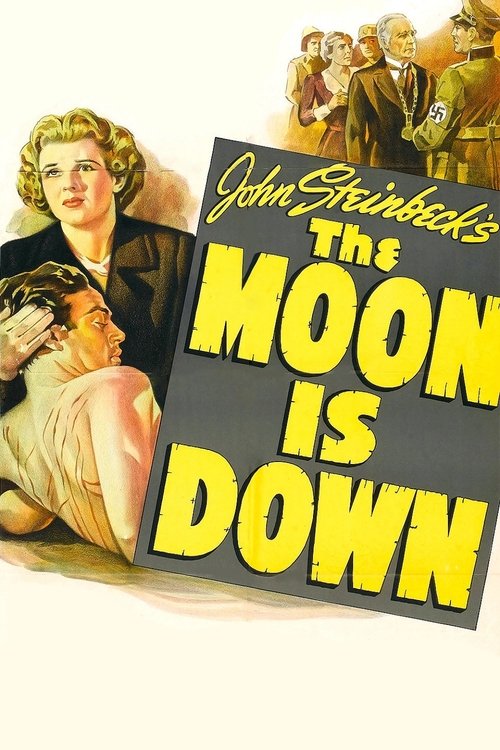
1943
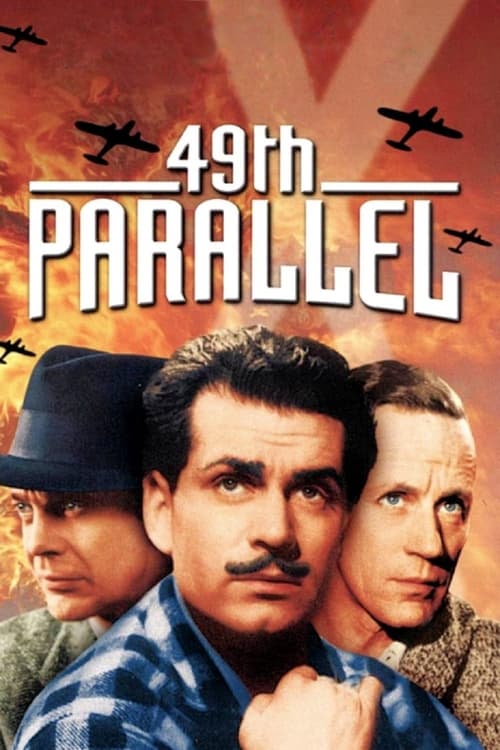
1941
No reviews yet. Be the first to share your thoughts on this movie!
Use the rating form above to leave a star rating and optional review.