L'Insoumis
2018
No user ratings available yet
Representation score: 6.4 out of 10
Representation Score
Good
2024
Director
Hugues Nancy
Runtime
96 minutes
Average Rating
No ratings yetNew Showbiz Analysis
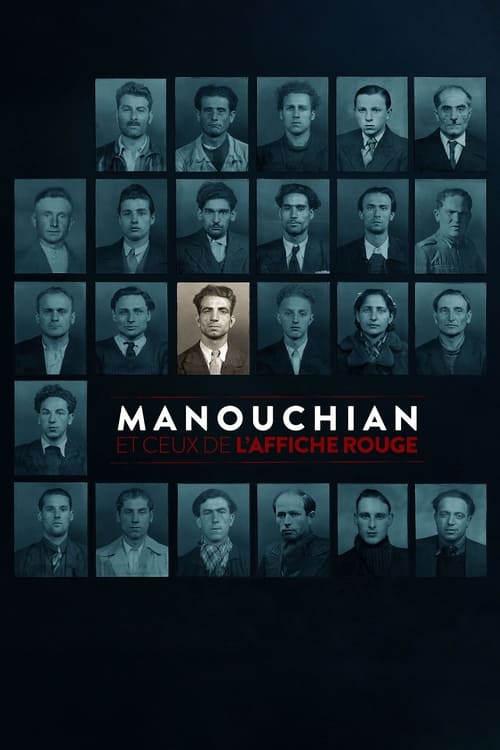
Hugues Nancy’s documentary centers on a pivotal moment of multi-ethnic cooperation during the Nazi occupation of France. By focusing on Missak Manouchian and the 'Affiche rouge' group, the film inherently challenges monolithic depictions of national heroism. The narrative structure emphasizes an identity-based framework of resistance. It highlights how diverse ethnic and social groups coalesced to confront systemic oppression, making it a significant study of the way different parts of someone's identity overlap. While the film excels in racial and ethnic representation, there is a lack of specific information regarding LGBTQ+ or disability representation. The focus remains primarily on the political and ethnic composition of the resistance fighters.
Category Breakdown
Specific depictions of non-straight-centered identities are unconfirmed. The score reflects the potential for historical nuance within resistance narratives, though the focus remains on political and ethnic composition.
The historical group was predominantly male, but the documentary format allows for the reclamation of women's ability to drive the story. The score reflects a baseline expectation of nuanced historical storytelling.
The subject matter drives this high score. The resistance group was composed of diverse ethnic and national backgrounds, including Armenians, Jews, Spaniards, and Italians, disrupting clichés of homogeneous national resistance.
The film critiques centralized state authority and traditional nationalist hierarchies. By centering on outsiders, the documentary explores themes of systemic struggle and the deconstruction of traditional power structures.
No specific evidence regarding the portrayal of disabilities is available in the current context.
Present on Screen
Limited or Absent
Official Synopsis
In February 1944, in a courtyard at Fresnes Prison, the Germans staged a spectacle to stigmatize a group of communist resistance fighters—all foreigners and mostly Jewish—who had been arrested a few weeks earlier. The propaganda aimed to discredit these fighters, portraying them as terrorists and criminals, even though they had managed to carry out numerous attacks against the occupiers in Paris. The red poster, plastered in thousands of copies across the country, would immortalize them in legend. They were subsequently executed at Mont-Valérien, near Paris. Missak Manouchian, the Armenian who led these fighters, now embodies this group in the collective memory as he is enshrined in the Panthéon, on behalf of all his comrades, 80 years after their execution.
2018
1998

2017
2012

2007
2009

2022
2014
No reviews yet. Be the first to share your thoughts on this movie!
Use the rating form above to leave a star rating and optional review.