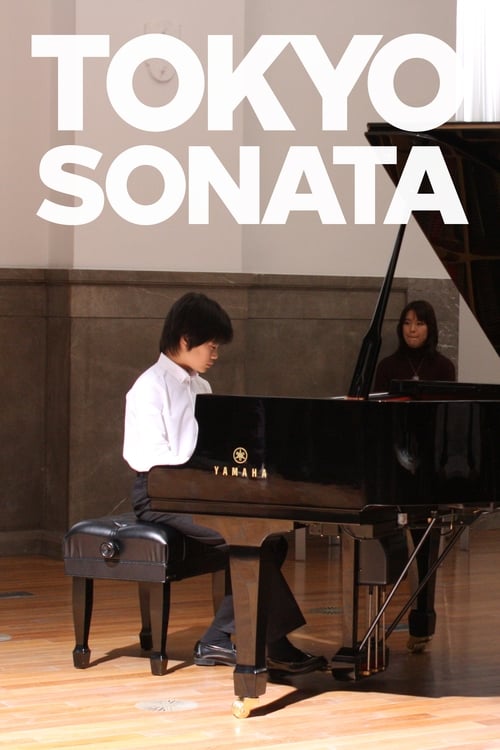
Tokyo Sonata
2008
No user ratings available yet
Diversity score: 4.3 out of 10
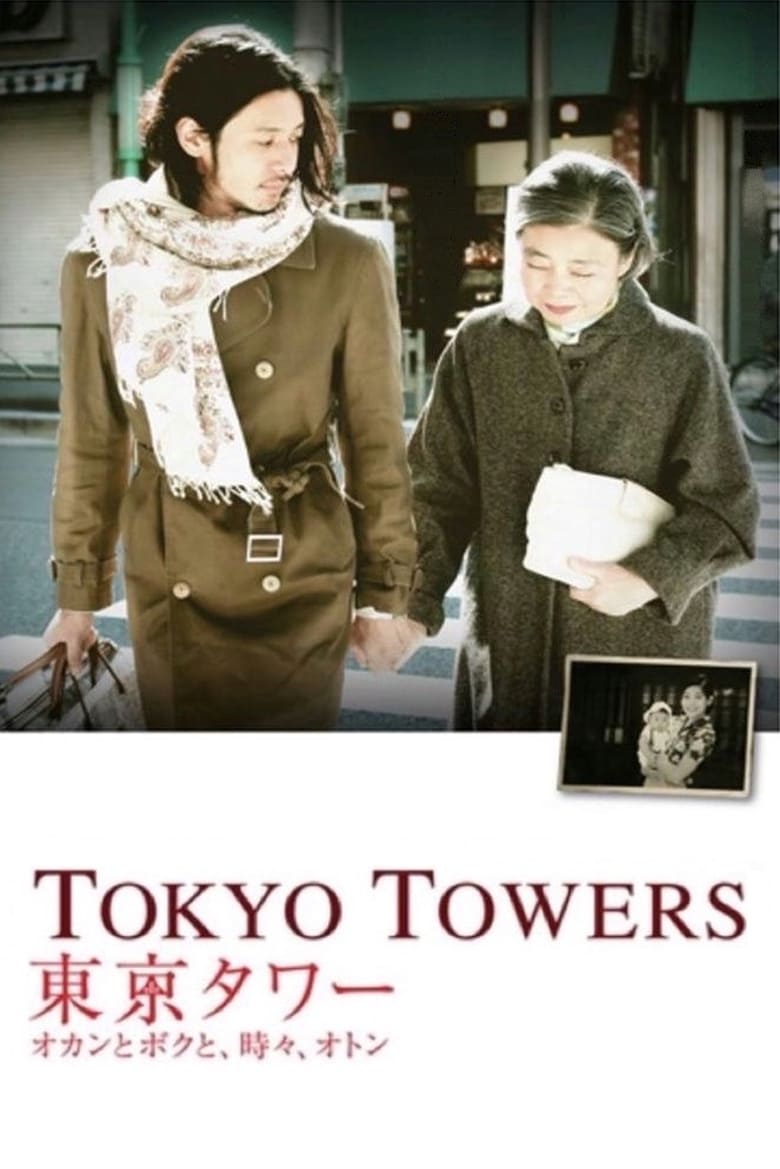
2007
Director
Jōji Matsuoka
Runtime
142 minutes
Average Rating
No ratings yetSynopsis
Adapted from the bestselling Japanese autobiography of the same title, this gentle coming-of-age drama concerns an adolescent boy, Boku - Masaya, torn between the inherited recklessness of his father Oton and the inherited responsibility, wisdom and emotional strength of his mother Okan. Following a period of intensely rebellious behavior, Boku learns that his mom has contracted cancer; suddenly, his mother comes to live with him in Tokyo the entire emotional landscape of his life is altered.
Overall Score
Fair
Category Breakdown
LGBTQ+ Representation
The story focuses exclusively on heteronormative family structures. There are no queer narratives or non-cisnormative identities present in the plot.
Gender Representation
The film explores gendered emotional labor through the mother's wisdom and strength. It subverts male tropes by centering the son's capacity for empathy and caregiving.
Racial & Ethnic Diversity
This is a culturally specific Japanese drama with a homogeneous cast. It reflects the demographic realities of its setting without multicultural casting.
Religious & Cultural Diversity
The narrative emphasizes traditional filial piety while disrupting idealized family tropes. It depicts the breakdown of domestic stability as a natural, painful systemic shift.
Disability Representation
The mother's battle with cancer drives the plot. The film treats her illness with agency, focusing on how it alters the family's emotional landscape.
Strengths
Areas for Improvement
AI Analysis
Tokyo Towers is a character-driven domestic drama that prioritizes emotional realism over social subversion. It functions as a localized study of family dynamics rather than a multicultural narrative. The film succeeds in deconstructing traditional gender roles and providing a non-idealized look at terminal illness. However, it lacks intersectional diversity and representation of marginalized identities. Ultimately, the work focuses on the internal evolution of the individual within a specific cultural framework, offering depth in character rather than breadth in social representation.
2008

2016

2022

2005
2020

2007
2021

2011

1985

2010

2012

2007
No reviews yet. Be the first to share your thoughts on this movie!
Use the rating form above to leave a star rating and optional review.