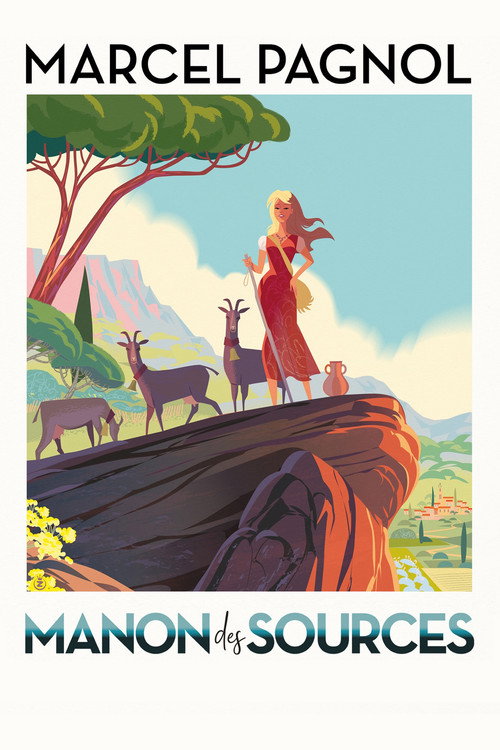
Manon of the Spring
1953
No user ratings available yet
Representation score: 2.5 out of 10
Representation Score
Fair
1953
Director
Marcel Pagnol
Runtime
110 minutes
Average Rating
No ratings yetNew Showbiz Analysis
Ugolin is a humanistic drama that prioritizes social accountability over idealized village life. It succeeds in presenting a underrepresented female protagonist who actively challenges her community's systemic failures. While the film lacks modern diversity, particularly regarding race and LGBTQ+ identities, it offers a nuanced look at how social structures treat outsiders. The depiction of disability is central to the backstory, though it is tied closely to themes of exclusion. Ultimately, the film's value lies in its deconstruction of authority and its focus on the friction between individuals and established social institutions.
Category Breakdown
The film focuses on traditional familial structures within rural Provence. There is no depiction of non-straight relationships or same-sex intimacy.
Manon serves as a strong central protagonist who plays a significant role in driving the story by disrupting village resources. However, the social structure remains largely defined by male-led institutions.
The setting reflects a homogeneous Mediterranean village. While a character is treated as a foreigner, this appears to be a social distinction rather than ethnic diversity.
The story critiques traditional institutional power by framing the village hierarchy as entities that must seek forgiveness. It challenges the idea of communal harmony.
The narrative uses the hunchback father's disability to explore themes of social alienation. His physical condition serves as a lens for outsider status.
Present on Screen
Limited or Absent
Official Synopsis
Manon has blocked the spring that feeds the village, whose inhabitants she hates. They gradually become aware of the evil they have done to her and try to obtain her forgiveness…
1953
1938
1934
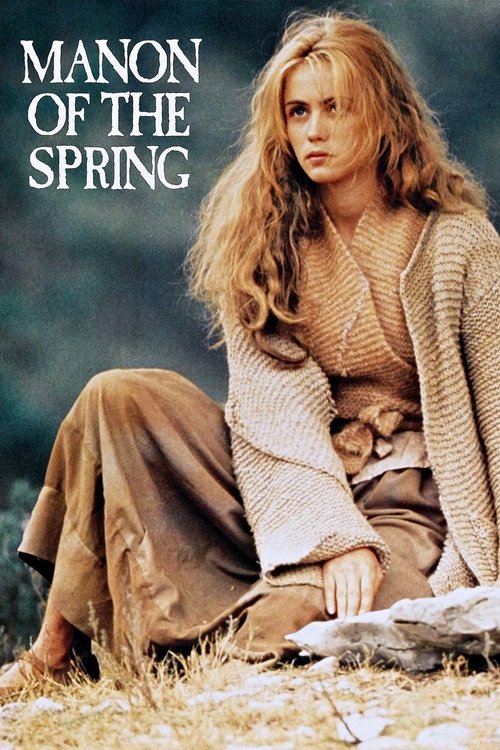
1986

1955
1955
1986
1968
No reviews yet. Be the first to share your thoughts on this movie!
Use the rating form above to leave a star rating and optional review.