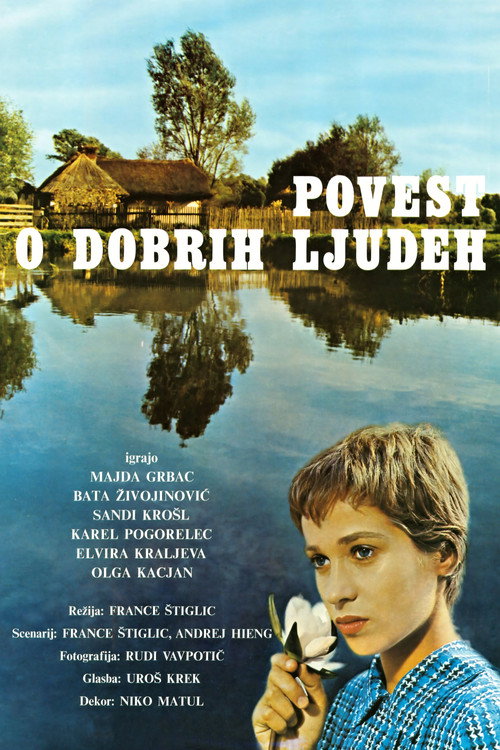
The Story of Good People
1975
No user ratings available yet
Representation score: 6.5 out of 10
Representation Score
Fair
1968
Director
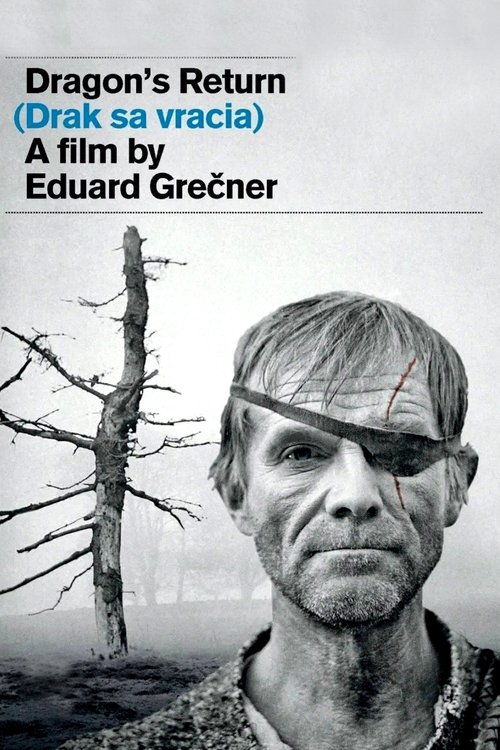
Eduard Grečner
Runtime
84 minutes
Average Rating
No ratings yetNew Showbiz Analysis
Dragon's Return is a character study that prioritizes the deconstruction of communal authority over demographic variety. It explores the tension between an individual and the oppressive weight of social tradition. The film's thematic depth lies in its critique of mob mentality and the fallibility of social consensus. It portrays a protagonist who, despite heroic actions, cannot overcome the prejudices of his community. While the film lacks modern multi-layered breadth, it offers a progressive look at systemic injustice. It succeeds as a poetic exploration of how social hierarchies maintain themselves through exclusion.
Category Breakdown
The film does not depict any non-binary or LGBTQ+ identities and lacks any same-sex intimacy. The story revolves around the protagonist's connection to his deceased wife and his isolation.
The story centers on a male protagonist's struggle against a collective force. Female characters, such as the lost wife, serve as tragic catalysts rather than active agents.
Reflecting its 1968 Czechoslovak origins, the film presents a demographically homogeneous setting. It operates within a localized cultural framework rather than a modern multi-layered one.
The film critiques traditional social institutions by framing the village as an antagonist. It uses the protagonist's systemic injustice to challenge the idea of a virtuous community.
No explicit physical or neurodivergent disabilities are mentioned. The protagonist's status as a 'strange' outcast suggests a theme of social alienation or psychological othering.
Present on Screen
Limited or Absent
Official Synopsis
This is a ballad about love, hate, and a search for a way out of loneliness. It is a dramatic story about the strange potter, Martin Leaps, nicknamed Dragon, who is suspected by the villagers as the cause of natural disasters. He lost his wife, his home, and his freedom due to false accusations. After years he returns to his native village. Putting his own life to risk, he saves a herd of cows from a forest fire in the hills. But not even this heroic deed helps him to win back the friendship of the locals.
1975
1965
1967

1957
1949
1969
1956
1961
No reviews yet. Be the first to share your thoughts on this movie!
Use the rating form above to leave a star rating and optional review.