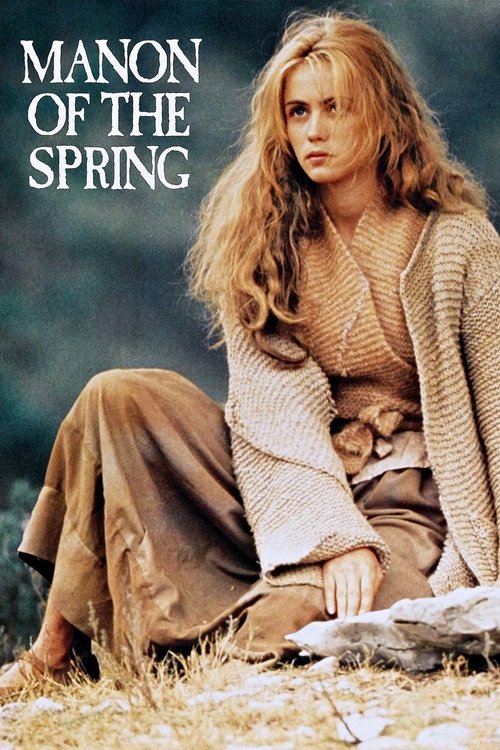
Manon of the Spring
1986
No user ratings available yet
Representation score: 3.2 out of 10
Representation Score
Limited
1953
Director
Marcel Pagnol
Runtime
125 minutes
Average Rating
No ratings yetNew Showbiz Analysis
Manon of the Spring is a classical realist drama that prioritizes the deconstruction of class-based hierarchies over modern demographic inclusion. It succeeds in providing a nuanced portrayal of women's ability to drive the story, moving beyond submissive archetypes to center a woman as the primary driver of the plot. However, the film is limited by its period-specific focus on regional Provence, resulting in a lack of racial and LGBTQ+ diversity. The narrative remains deeply rooted in the social constraints of its era, focusing on local class friction rather than broader representation. Ultimately, the film's strength lies in its critique of systemic social consequences and the rigid moral expectations placed upon individuals based on their socioeconomic status.
Category Breakdown
The film does not include any LGBTQ+ characters or non-straight relationships. All romantic arcs are centered around traditional heterosexual couples set in the 1953 timeframe.
Manon is a strong central character who plays a significant role in driving the story. The narrative critiques strict moral expectations and the social stigma associated with her illegitimacy.
The cast is primarily white, reflecting the regional Provençal setting. The story focuses on local class dynamics rather than ethnic diversity.
The film critiques class hierarchies and the moral weight of religious structures. It reframes social 'sins' as struggles against an oppressive social order.
There are no prominent depictions of physical or neurodivergent disabilities that serve as central narrative elements.
Present on Screen
Limited or Absent
Official Synopsis
Marcel Pagnol's adaptation of his own novel Manon des sources, the story of a shepherdess who exacts her revenge on the townsfolk she blames for killing her father, in two parts: Manon des sources and Ugolin.
1986
1960
1953
1950
2007

1954
1934
1928
No reviews yet. Be the first to share your thoughts on this movie!
Use the rating form above to leave a star rating and optional review.