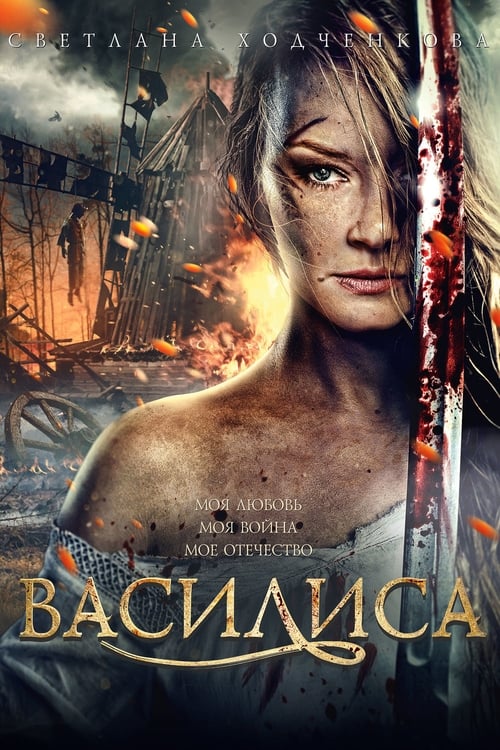
Vasilisa
2014
No user ratings available yet
Representation score: 4.4 out of 10
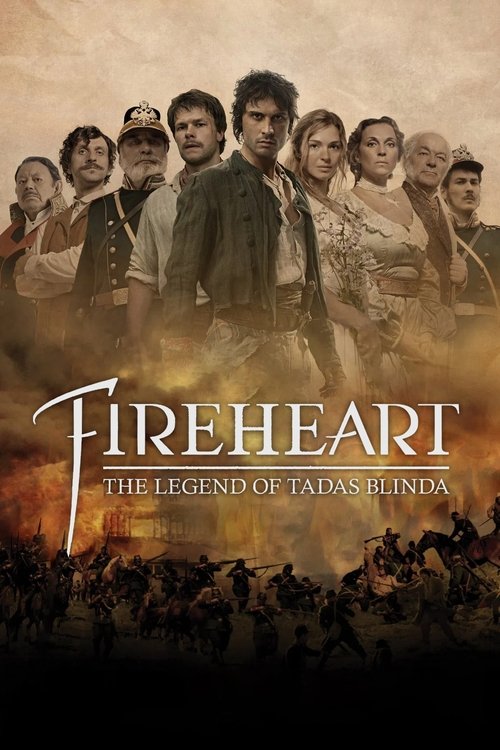
Representation Score
Fair
2011
Director
Donatas Ulvydas
Runtime
111 minutes
Average Rating
No ratings yetNew Showbiz Analysis
Fireheart: The Legend of Tadas Blinda is a historical drama that prioritizes class struggle and romantic tension over diverse representations. While it avoids reinforcing imperial hierarchies by casting the Russian army as the antagonist, it relies heavily on established historical clichés. The film finds its strength in exploring ethnic friction and systemic critique through the lens of a peasant uprising. However, the character dynamics appear rooted in traditional romantic archetypes rather than modern social subversion.
Category Breakdown
The story focuses on a traditional romance between a noblewoman and a commoner. There is no representation of LGBTQ+ identities or narratives that question the assumption that everyone is straight or cisgender.
A female lead is present, but the narrative follows conventional romantic and class-based structures. It does not appear to challenge gender hierarchies or portray traditional masculinity as ineffective.
The setting involves a peasant revolt against a Russian army, introducing ethnic and nationalistic tension. This framework allows for a discussion of ethnic identity and resistance against an occupying force.
The film challenges power structures by depicting a peasant revolt against a brutal imperial force. It centers on the struggle for ability to act by common people against an oppressive entity.
The narrative contains no mention of characters with visible or invisible disabilities.
Present on Screen
Limited or Absent
Official Synopsis
A romance blooms between a noblewoman and a common man amid a peasant revolt against the brutal Russian army
2014
1999
2000
1995

1987
1992

1974
1962
No reviews yet. Be the first to share your thoughts on this movie!
Use the rating form above to leave a star rating and optional review.