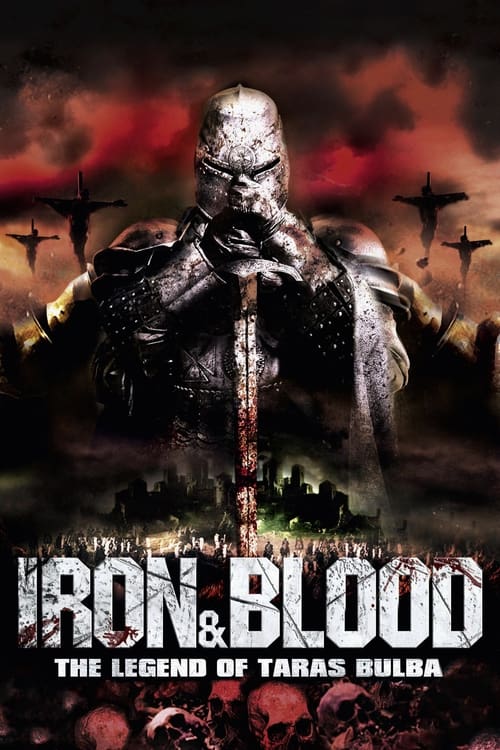
Iron & Blood: The Legend of Taras Bulba
2009
No user ratings available yet
Representation score: 3.5 out of 10
Representation Score
Minimal
1962
ApprovedDirector
J. Lee Thompson
Runtime
119 minutes
Average Rating
No ratings yetNew Showbiz Analysis
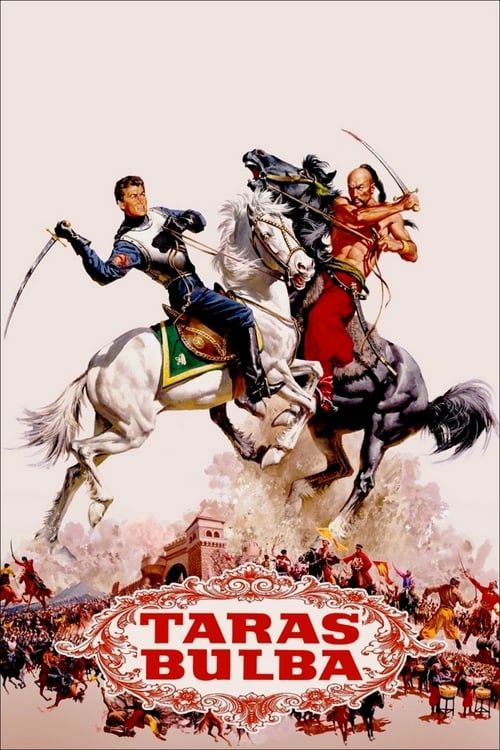
Taras Bulba is a traditional historical epic that upholds strict social hierarchies. The film centers on patriarchal authority, religious distinctions, and ethnic tribalism, reinforcing established norms without challenging them. The narrative structure highlights a specific historical masculine identity, resulting in a lack of multi-layered depth, particularly in the absence of women and non-white perspectives from the core conflict. While the film explores the tension between individual and state, it does so through a lens of collective survival and violent honor, adhering to conventional cinematic structures of its time.
Category Breakdown
The film focuses solely on heterosexual relationships, with no representation of LGBTQ+ identities or non-binary gender experiences.
The story emphasizes a male-dominated society where women play minor, passive roles, often serving as catalysts for male-driven conflicts or symbols of geopolitical struggles.
The cast is mainly composed of white and Eastern European actors, reflecting the historical context without including non-white perspectives.
The narrative centers around the religious tension between Orthodox and Catholic faiths, depicting a struggle against imperial authority through the lens of honor and vigilante actions.
There is no representation of physical or neurodivergent disabilities, with characters portrayed as idealized warrior archetypes without addressing the experiences of disabled individuals.
Present on Screen
Limited or Absent
Official Synopsis
Ukraine, 16th century. While the Poles dominate the Cossack steppes, Andrei, son of Taras Bulba, a Cossack leader, must choose between his love for his family and his folk and his passion for a Polish woman.
2009
1999
1956
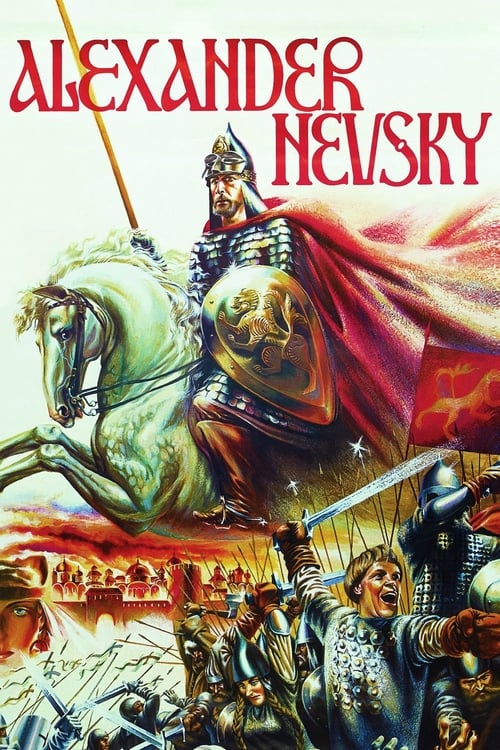
1938
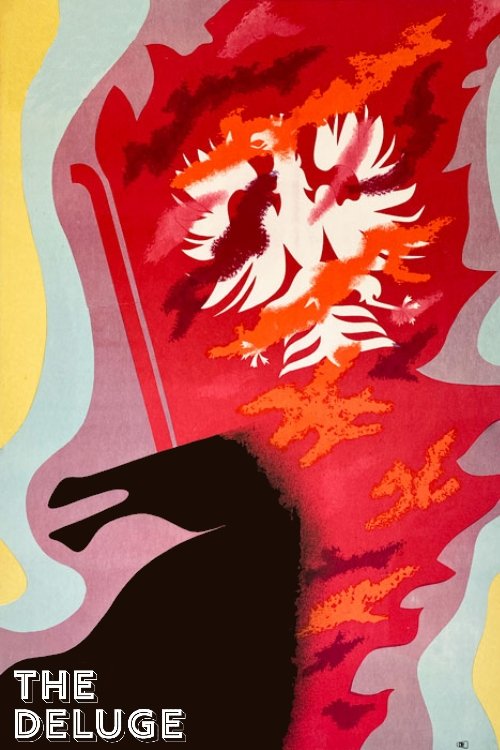
1974

1970
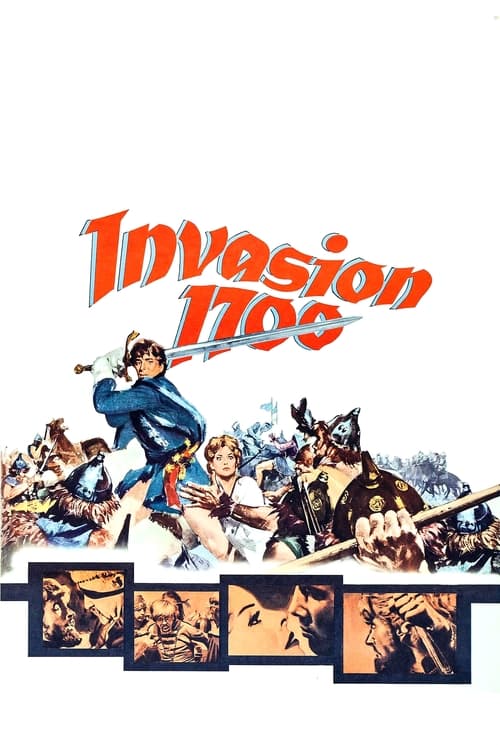
1962
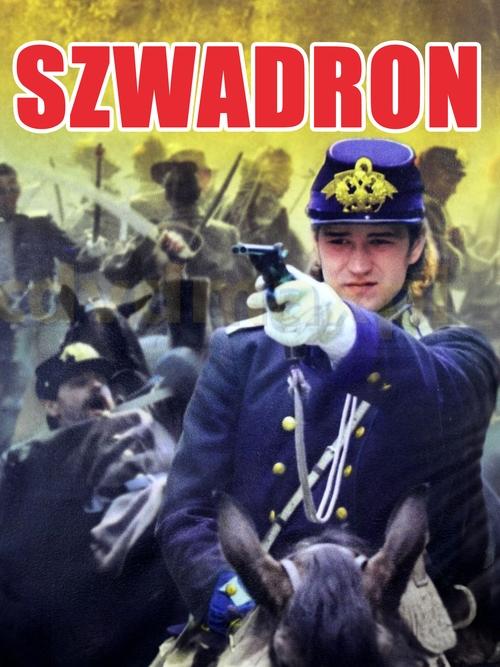
1992
No reviews yet. Be the first to share your thoughts on this movie!
Use the rating form above to leave a star rating and optional review.